Ichthyaetus
Known for meticulous preening, which helps them maintain waterproofing and flight efficiency
A group of medium- to large-sized gulls that are mostly associated with coastal regions, large lakes, and broad river systems across Eurasia and parts of Africa. These gulls tend to have a more streamlined, elegant appearance compared to some of their bulkier relatives, often with graceful flight, long wings, and clean, refined plumage patterns.
Many Ichthyaetus species show striking seasonal plumage changes, especially around the head and face. For example, some develop bold black hoods during breeding season, which later fade into a more subtle winter pattern. Their bills and legs often shift tone seasonally as well — from muted winter shades to bright crimson or orange hues during courtship and nesting periods. These color shifts play an important role in signaling fitness and readiness to mate.
Ecologically, Ichthyaetus gulls are opportunistic and adaptable feeders, taking advantage of fish (as the genus name implies — ichthys = fish), insects, crustaceans, and occasionally plant matter or scraps near human settlements. They commonly nest in colonies, sometimes sharing roosting and breeding sites with terns or other waterbirds. Some species form large, noisy breeding colonies, while others nest in more isolated groups depending on habitat availability. Their vocalizations tend to be sharper and more ringing than those of heavier gull species, often described as clear calls suitable for communication across open water or windy coastlines.
Migration and movement patterns vary across the genus. Some species are largely resident in coastal zones, whereas others travel long distances, wintering far from breeding grounds. The Mediterranean Gull, for instance, can range widely across Europe in non-breeding seasons after nesting near inland wetlands or coastal marshes.

Species in this genus


Audouin’s gull
Almost went extinct… then boomed… then dipped again

Relict gull
It was “just a Mediterranean gull” until the 1970s
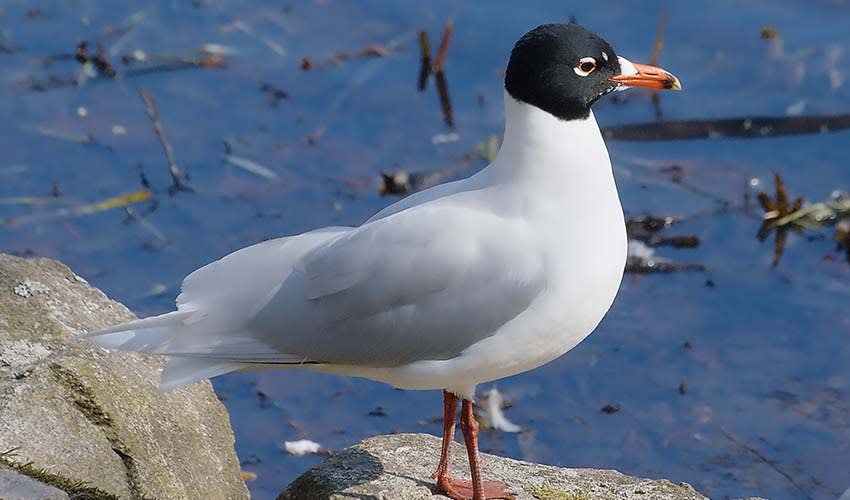
Mediterranean gull
Increasingly seen breeding at inland fishponds, reservoirs, and reclaimed wetlands, not just coastal areas

