Oroanassa – White-eared night heron
People spend days in the right habitat and never spot one because it stays hidden and active in low light
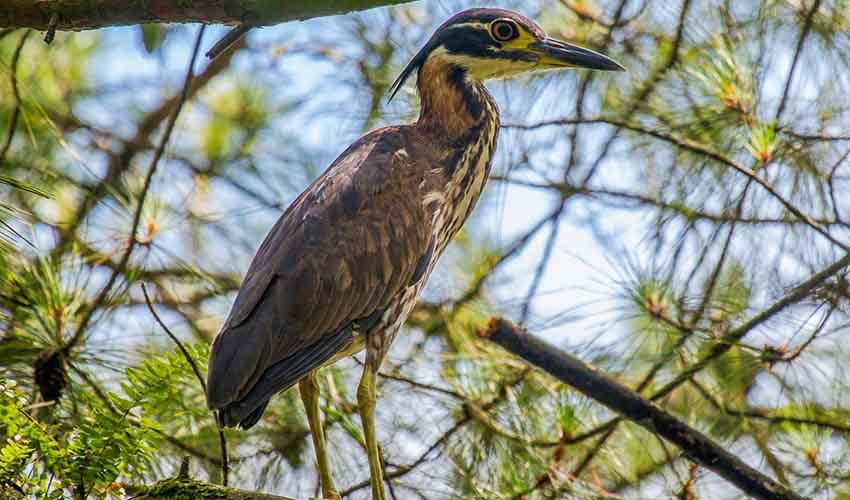
One of those birds that feels more like a rumor than a regular wildlife sighting. It’s a secretive heron that lives in parts of East and Southeast Asia, spending much of its life in dense forest and along quiet streams where people rarely wander at the right time. Unlike the tall, open-water herons you might picture standing in a sunny marsh, this species prefers shade and cover. Its body is compact and sturdy, with rich chestnut-brown and dark gray tones that blend beautifully with wet leaves and tree trunks. The “white-eared” name comes from the pale patches along the side of its head that can look like neat white ear marks—small details that make it surprisingly stylish up close.
Most herons are daytime hunters you can watch from a distance in open wetlands, but this one is built for privacy and low light. It tends to be active at dusk, at night, or in the dim early morning, when the forest feels quiet, and shadows hide movement. Its posture is often more crouched than statuesque, and it can slip through vegetation with a careful, almost catlike stealth. Even its colors feel designed for nighttime: darker, warmer, and less flashy than the bright whites or grays of more familiar herons. Instead of relying on open space and long-legged wading alone, it uses forest edges, stream banks, and hidden pools—places where patience matters more than showy standing.
When it hunts, the white-eared night-heron goes for the kind of meals you’d expect near forest water: fish, frogs, small crabs, insects, and other bite-sized creatures. It can stand perfectly still for long moments, then strike quickly when something moves—classic heron behavior, just performed in a quieter, darker “stage.” Because it often hunts where branches and roots clutter the water, it needs careful footwork, balancing, and sharp timing.
Species in this genus


White-eared night-heron
People spend days in the right habitat and never spot one because it stays hidden and active in low light

