


A medium-sized gull that is commonly found along the coasts of Europe and parts of North America. This bird is known for its sleek black or dark gray back, which gives it its name, as well as its adaptability to different environments. It is often seen near beaches, harbors, lakes, and even in cities, where it takes advantage of both natural and human-made food sources.
One of the most distinctive features of the lesser black-backed gull is its black or dark gray wings and back, which contrast sharply with its white head, neck, and underparts. Its legs are a bright yellow color, and its beak is yellow with a red spot near the tip, a common feature of many gull species. During the breeding season, these gulls can be seen with their bright white and black feathers standing out against the blue sky or ocean, making them easy to identify.
Lesser black-backed gulls are skilled hunters and scavengers. They have a varied diet that includes fish, small mammals, insects, and even garbage when living near humans. They are opportunistic feeders, meaning they will eat whatever is available. Their strong beaks allow them to break into tough food sources, and they are known for stealing food from other birds or animals when the opportunity arises. This behavior shows their intelligence and ability to adapt to different situations.
These gulls are also excellent fliers with strong wings that allow them to travel long distances in search of food or nesting sites. They are migratory birds, spending the breeding season in northern Europe and then flying south to warmer areas during the winter. Some lesser black-backed gulls migrate as far as North Africa, while others stay in coastal areas closer to their breeding grounds.
Distribution
 Afghanistan
 Albania
 Algeria
 Angola
 Anguilla
 Antigua & Barbuda
 Argentina
 Aruba
Aruba Australia
 Austria
 Bahamas
 Bahrain
 Barbados
 Belarus
 Belgium
 Benin
Benin Bermuda
 Bosnia And Herz.
 Botswana
 Bulgaria
 Burkina Faso
 Burundi
 Cameroon
 Canada
 Cape Verde
 Central Af. Rep.
 Chad
Chad Comoros
 Congo-Brazzaville
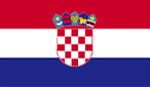 Croatia
 Cuba
Cuba Cyprus
 Czechia
 Côte D’ivoire
 DR Congo (Kinshasa)
 Denmark
 Djibouti
 Dominica
 Dominican Republic
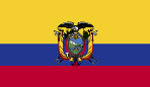 Ecuador
 Egypt
Egypt Equatorial Guinea
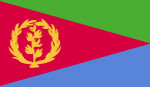 Eritrea
 Estonia
 Ethiopia
 Faroe Islands
 Finland
 France
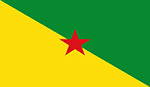 French Guiana
 Gabon
Gabon Gambia
 Georgia
 Germany
 Ghana
Ghana Gibraltar
 Greece
 Greenland
Guadeloupe
Greenland
Guadeloupe Guinea-Bissau
 Guinea
 Hungary
 Iceland
 India
India Iran
Iran Iraq
Iraq Ireland
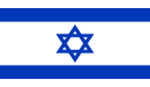 Israel
 Italy
Italy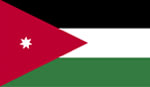 Jordan
 Kazakhstan
 Kenya
Kenya Kuwait
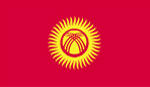 Kyrgyzstan
 Latvia
 Lebanon
 Liberia
 Libya
Libya Lithuania
 Luxembourg
 Malawi
 Mali
Mali Malta
Martinique
Malta
Martinique Mauritania
Mayotte
Mauritania
Mayotte Mexico
 Mongolia
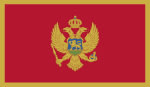 Montenegro
 Montserrat
 Morocco
 Mozambique
 Namibia
 Netherlands
 Niger
Niger Nigeria
 North Macedonia
 Norway
 Oman
Oman Panama
 Poland
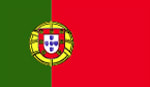 Portugal
 Puerto Rico
 Qatar
Qatar Romania
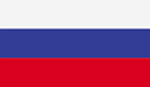 Russia
 Rwanda
 Saint Lucia
 Saint Pierre
 Saint Vincent
 Saudi Arabia
 Senegal
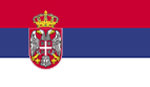 Serbia
 Seychelles
 Sierra Leone
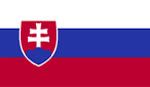 Slovakia
 Slovenia
 Somalia
 South Africa
 South Sudan
 Spain
Spain Sri Lanka
 St. Kitts & Nevis
 Sudan
Svalbard
Sudan
Svalbard Sweden
 Switzerland
 Syria
Syria Tanzania
 Togo
Togo Trinidad & Tobago
 Tunisia
 Turkmenistan
 Turkey
 UAE
UAE US Virgin Islands
 Uganda
 Ukraine
 United Kingdom
 United States
 Uzbekistan
 Venezuela
 Yemen
Yemen Zambia
 Zimbabwe
Anything we've missed?
Help us improve this page by suggesting edits. Glory never dies!
Suggest an editGet to know me
Terrestrial / Aquatic
Altricial / Precocial
Polygamous / Monogamous
Dimorphic (size) / Monomorphic
Active: Diurnal / Nocturnal
Social behavior: Solitary / Pack / Flock
Diet: Carnivore / Herbivore / Omnivore / Piscivorous / Insectivore
Migratory: Yes / No
Domesticated: Yes / No
Dangerous: Yes / No




