


A small and elegant seabird that captures attention with its delicate appearance and graceful flight. Found across Europe, Asia, and Australia, this bird prefers coastal habitats like sandy beaches, estuaries, and lagoons. Its small size, striking black cap, white body, and yellow bill make it easy to recognize. Despite its small stature, the little tern is a resilient and resourceful species, perfectly adapted to life along the shore.
One of the most remarkable traits of the little tern is its hunting style. These birds are excellent fishers, diving headfirst into shallow waters to catch small fish and other aquatic prey. They are incredibly agile in the air, hovering over the water with precision before plunging in to secure their meal. Watching a little tern hunt is a fascinating sight—it showcases their skill and energy in sustaining their lively and active nature.
Little terns are also known for their social behavior. They often nest in colonies, which provides safety in numbers and increases the chances of spotting predators early. Their nests, called scrapes, are shallow depressions in the sand or gravel, lined with small pebbles or shells. While these nests are simple, they serve as a safe place to lay eggs and raise chicks. The adults are highly protective and will aggressively defend their nests by dive-bombing intruders, including much larger animals.
The little tern’s breeding season is one of the most crucial times in its life cycle. During this period, the male performs an elaborate courtship display to win over a mate. This includes aerial acrobatics and presenting small fish as gifts. Once paired, the male and female share responsibilities like incubating eggs and feeding chicks, working together as a team to ensure the survival of their young.
Distribution
 Afghanistan
 Albania
 Algeria
 Angola
 Armenia
 Australia
 Austria
 Azerbaijan
 Bahrain
 Bangladesh
 Belarus
 Belgium
 Benin
Benin Bosnia And Herz.
 British Indian T.
 Brunei
 Bulgaria
 Burkina Faso
 Burundi
 Cambodia
 Cameroon
 Cape Verde
 Chad
Chad China
China Colombia
 Congo-Brazzaville
 Croatia
 Cyprus
 Czechia
 Côte D’ivoire
 DR Congo (Kinshasa)
 Denmark
 Djibouti
 East Timor
 Egypt
Egypt Equatorial Guinea
 Eritrea
 Estonia
 Faroe Islands
 Fiji
Fiji Finland
 France
 Gabon
Gabon Gambia
 Georgia
 Germany
 Ghana
Ghana Gibraltar
 Greece
 Guam
Guam Guinea-Bissau
 Guinea
 Hong Kong
 Hungary
 India
India Indonesia
 Iran
Iran Iraq
Iraq Ireland
 Israel
 Italy
Italy Japan
Japan Jordan
 Kazakhstan
 Kenya
Kenya Kiribati
 Korea
Korea Kuwait
 Kyrgyzstan
 Laos
Laos Latvia
 Lebanon
 Liberia
 Libya
Libya Lithuania
 Luxembourg
 Malaysia
 Maldives
 Mali
Mali Malta
Malta Marshall Islands
 Mauritania
 Mauritius
 Micronesia
 Moldova
 Mongolia
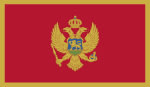 Montenegro
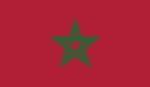 Morocco
 Mozambique
 Myanmar
 Namibia
 Nepal
Nepal Netherlands
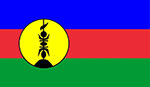 New Caledonia
 New Zealand
 Niger
Niger Nigeria
 Nort. Mariana Is.
 North Korea
 North Macedonia
 Norway
 Oman
Oman Pakistan
 Palau
Palau Papua New Guinea
 Philippines
 Poland
 Portugal
 Qatar
Qatar Romania
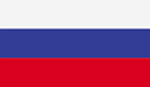 Russia
 Samoa
Samoa Saudi Arabia
 Senegal
 Serbia
 Seychelles
 Sierra Leone
 Singapore
 Slovakia
 Slovenia
 Solomon Islands
 Somalia
 South Africa
 Spain
Spain Sri Lanka
 Sudan
Sudan Sweden
 Switzerland
 Syria
Syria Taiwan
 Tajikistan
 Tanzania
 Thailand
 Togo
Togo Tunisia
 Turkmenistan
 Turkey
 UAE
UAE Ukraine
 United Kingdom
 United States
 Uzbekistan
 Vietnam
 Yemen
YemenAnything we've missed?
Help us improve this page by suggesting edits. Glory never dies!
Suggest an editGet to know me
Terrestrial / Aquatic
Altricial / Precocial
Polygamous / Monogamous
Dimorphic (size) / Monomorphic
Active: Diurnal / Nocturnal
Social behavior: Solitary / Pack / Flock
Diet: Carnivore / Herbivore / Omnivore / Piscivorous / Insectivore
Migratory: Yes / No
Domesticated: Yes / No
Dangerous: Yes / No




