Anarhynchus
The only bird genus in the world where the bill curves sideways — always to the right
Represents one of the most distinctive and specialized bird lineages in New Zealand, best known for the remarkable wrybill (Anarhynchus frontalis), a small plover with a famously sideways-curved bill. This unusual physical trait — the only one of its kind in the bird world — immediately sets the genus apart and hints at a fascinating evolutionary story shaped by rugged, ever-changing landscapes. These birds are true specialists of braided river systems, those wide, gravel-strewn floodplains created by glacial meltwater flowing from New Zealand’s Southern Alps. Such environments shift constantly with flooding and sediment movement, creating a harsh but resource-rich habitat where only the most adaptable species thrive.
In appearance, Anarhynchus birds seem understated at first glance. They have soft gray and white plumage, perfectly blending in with stones and river shingle, an essential form of camouflage in their wide-open nesting territories. Their compact bodies, quick stride, and alert posture reflect lives spent in exposed locations, where food is abundant but so are predators and unpredictable weather. Most uniquely, the bill of the wrybill bends distinctly to the right, allowing the bird to probe beneath river stones and pebbles to extract insects, larvae, small crustaceans, and other invertebrates. This sideways foraging technique is not a novelty — it is a finely tuned adaptation to their stony environment, making them highly efficient feeders in a niche that few other birds exploit.
During the breeding season, these plovers nest directly on gravel riverbeds, scraping shallow depressions among the stones and lining them with smaller pebbles to help conceal eggs. Their eggs and chicks are incredibly well camouflaged, blending seamlessly with surrounding rocks. Even so, parenting in such exposed terrain requires strategy and boldness. When predators or humans approach, adults perform distraction displays, feigning injury or fluttering weakly across the stones to lure danger away from their vulnerable young — a dramatic survival tactic common among ground-nesting birds. After breeding inland on South Island river systems, Anarhynchus birds migrate to coastal estuaries and beaches, where they spend the non-breeding season feeding and resting alongside other shorebirds.

Species in this genus


Red-breasted plover
The rich red-breast appears mainly in breeding season; outside of it, birds look paler and sandier

Siberian sand plover
For years it was lumped into “lesser sand plover”
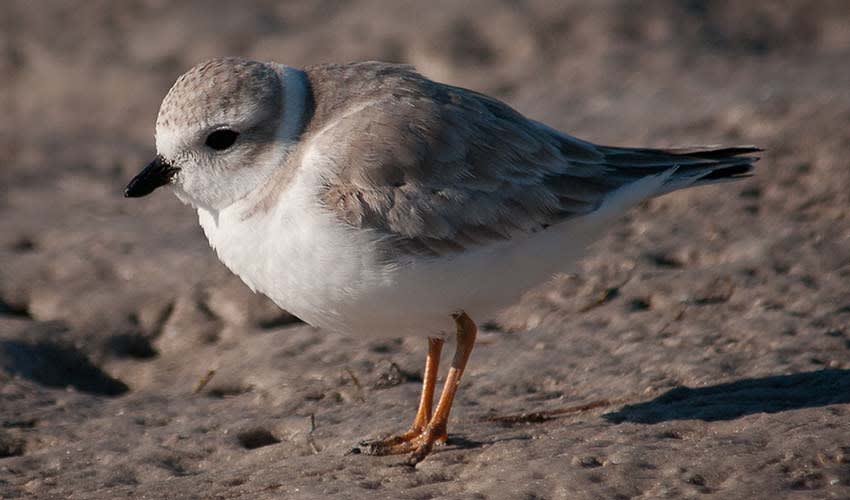
Snowy plover
Weighs about as much as a couple of slices of bread and is barely bigger than a sparrow

