Procellaria
Often see them flying strongly in heavy wind, using it like a moving highway rather than fighting it
Often called the “great petrels,” birds in this group are built for rough seas and long-distance travel. They have broad wings, sturdy bodies, and strong bills, giving them a heavier, more muscular look than many other petrels. Their plumage is usually a mix of dark brown, gray, and white, practical colors that blend well with stormy skies and churning water. When flying, Procellaria petrels look confident and forceful, using strong wingbeats combined with gliding to handle winds that would challenge many other birds.
While many petrels are slim, delicate gliders, Procellaria species are larger and more robust, well-suited to life in cold southern oceans. They are often seen following ships, effortlessly keeping pace and using air currents created by the vessel to glide with little effort. Their strong, hooked bills allow them to feed on a wide range of food, including fish, squid, and carrion, making them less picky than some smaller petrels.
They spend most of their lives roaming vast stretches of ocean, often far from any land. They are especially associated with powerful weather systems and are sometimes seen flying in strong winds, seemingly unfazed by conditions that appear harsh or chaotic. Like other petrels, they are “tube-nosed” birds, with distinctive tube-like structures on their bills that help them manage salt intake and enhance their sense of smell. This ability to detect scents over the ocean helps them locate food across enormous distances, turning the sea into a navigable landscape rather than an empty expanse.
When it comes time to breed, Procellaria petrels return to land, but only briefly and with purpose. They nest on remote islands, often choosing burrows or sheltered ground where they are protected from predators and harsh weather. Breeding colonies are usually not flashy or noisy during the day, but at night they can come alive with calls as adults return from the sea.

Species in this genus


Westland petrel
Those small tube-like structures on the bill help them deal with salt and are linked to their strong sense of smell
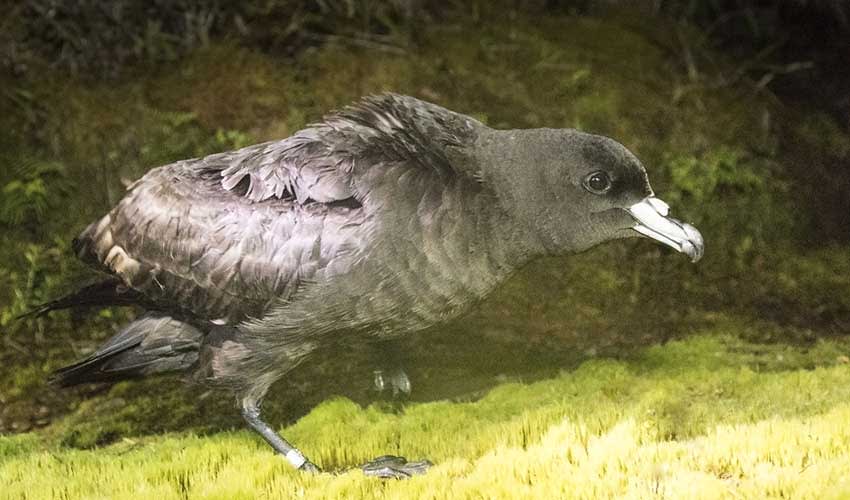
Black petrel
Often come and go after dark, so a place that feels quiet in daylight can turn noisy at night

