Psephotellus
Spend a lot of time walking and feeding on the ground instead of hanging in treetops
Birds in this group are typically slim, long-tailed, and built for fast, low flight across open spaces. Their colors can be surprisingly elegant: soft greens and blues for camouflage in grass and foliage, often paired with bold highlights—like bright shoulder patches, vivid rumps, or strong facial markings—that flash when they fly. They tend to spend a lot of time close to the ground, feeding quietly among grasses, then shooting up in a tight, fast burst when disturbed.
These parrots are strongly tied to native grasslands and open woodland edges where they can find particular seeds, buds, and small fruits. Instead of clambering through dense branches like many tree parrots, they often walk and forage on the ground, using a quick, cautious “head down, look up” rhythm. They usually travel in pairs or small groups, and their movements can look very deliberate: low, direct flights between feeding patches, a pause to perch and scan, then a drop back to the ground. Their voices are often sharp and clear—useful for staying in touch across open country where cover is limited, and distances between birds can grow quickly.
One of the most fascinating traits associated with this genus is the nesting behavior of some members. The golden-shouldered parrot, often placed in Psephotellus, is famous for nesting in termite mounds—an unusually clever solution in a landscape where safe tree hollows can be scarce or risky. That mound nesting habit gives the genus a special place in “odd nest” conversations, even though not every species in the group uses termite mounds. More broadly, Psephotellus parrots tend to nest in protected cavities or sheltered spaces, raising chicks that begin life hidden and quiet, then become loud, hungry juveniles ready to explore their world.

Species in this genus
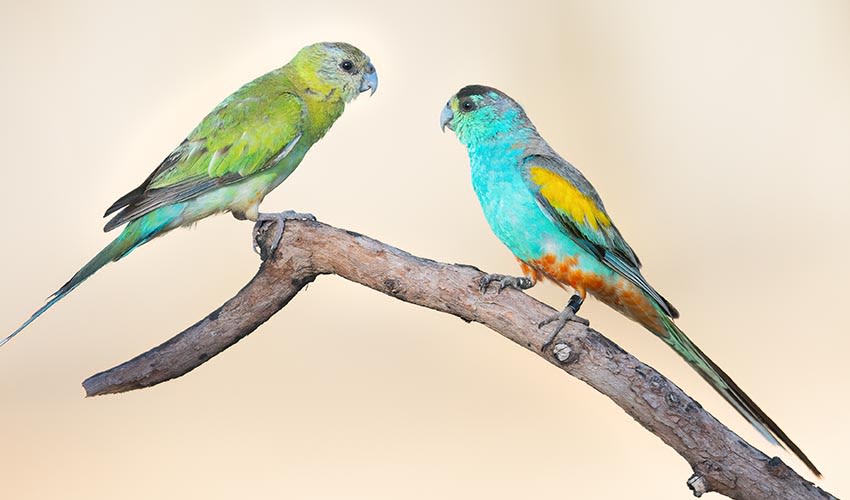


Golden-shouldered parrot
One of the very few parrots that are true “termite-mound specialists”

