Strophurus – Spiny-tailed geckos
Their tail spray is not venomous but extremely unpleasant, sticky, and difficult to remove
These small, nocturnal lizards are perfectly adapted to the dry, open landscapes of the Australian outback—thriving in arid shrublands, spinifex grasslands, and desert woodlands. What they lack in size, they make up for in charm and creativity. Their most famous feature is, of course, their tail—armed with small spines or bumps and capable of an extraordinary defense mechanism: shooting a sticky, foul-smelling fluid at predators. This rare behavior, seen in no other gecko group, has earned them the nickname “tail-squirters.”
Physically, spiny-tailed geckos are beautifully designed for their environment. Their bodies are covered in tiny, rough scales that blend seamlessly with the dry grasses and sandy soils they live among. Many species show patterns of gray, brown, olive, or cream, sometimes with stripes or spots that help them camouflage against bark or spinifex stems. Their tails, aside from being a defense tool, also serve as anchors, helping them balance and grip onto slender twigs or grass blades while they hunt.
These geckos are expert climbers, using their adhesive toe pads to move effortlessly across branches and stems in search of insects, spiders, and other small prey. At night, under the soft desert moonlight, they emerge from shelter to hunt, often staying motionless for long stretches before making a lightning-quick strike at their unsuspecting prey.
What truly makes Strophurus geckos remarkable is their unique defense system. When threatened, rather than dropping their tail like most geckos, they squirt a sticky, smelly secretion from glands along the sides of their tail—sometimes shooting it up to half a meter away! This fluid can deter birds, snakes, or other predators, giving the gecko time to escape. The tail spines enhance this display, making the gecko appear more formidable than its size suggests. Some species even hold their tails upright like little scorpions when alarmed, adding to the intimidation factor.

Species in this genus
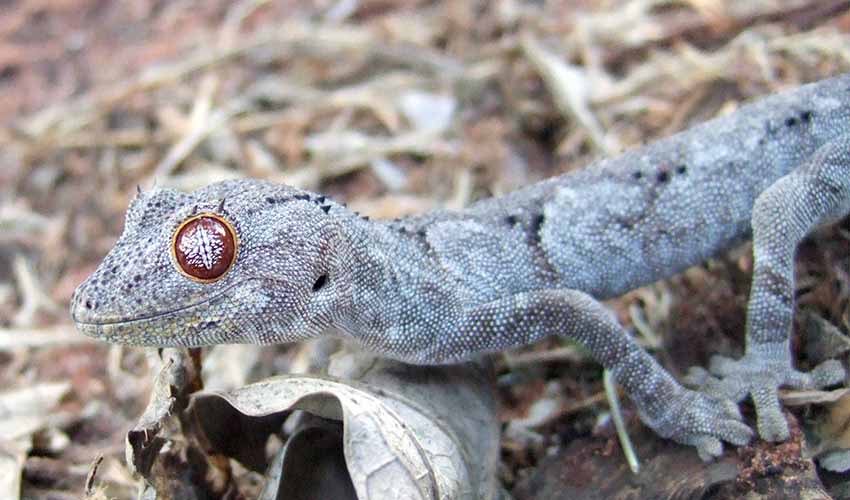


Northern spiny-tailed gecko
Doesn’t have to rely solely on fleeing—it has a built-in “sticky defense” system to surprise predators

