


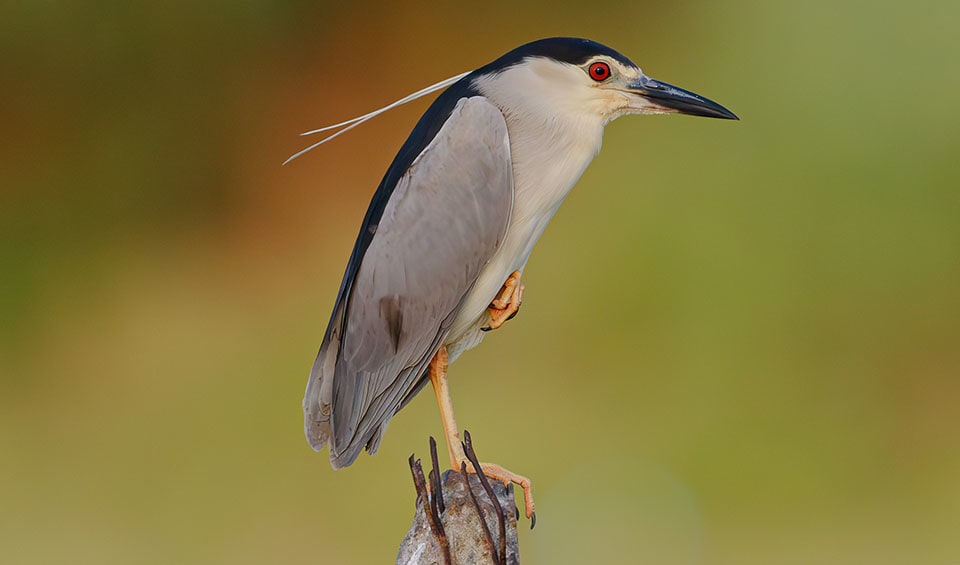
Found on every continent except Australia and Antarctica, this striking bird is known for its stocky build, red eyes, and nocturnal lifestyle. Unlike the tall, graceful silhouettes of other herons, the black-crowned night heron has a shorter neck and legs, giving it a more hunched, compact appearance—especially when perched. Its name comes from the glossy black feathers on its crown and back, which contrast beautifully with its gray wings and white underparts.
During the breeding season, they grow two long, white plumes that extend from the back of the head, adding an elegant flair. Their bright red eyes help them see well in low light, and they are most active during the early evening, night, and dawn, when many other herons are resting. This gives them less competition for food and allows them to hunt in relative peace.
Black-crowned night herons are opportunistic feeders, which means they’ll eat whatever they can catch. Their diet includes fish, frogs, crustaceans, insects, small mammals, and even the eggs and chicks of other birds. They use a sit-and-wait technique—standing still for long periods before striking quickly with their sharp beaks. You’ll often see them perched silently near the water’s edge, barely moving as they wait for the perfect moment to snatch a meal.
Juvenile black-crowned night herons look very different from adults. They are brown and speckled with white, giving them excellent camouflage among reeds and brush. It takes about three years for them to develop the sleek, adult plumage. Another fun detail: they are social nesters and often build nests in large colonies, sometimes with hundreds of birds crowded into the same area. Their stick nests are placed in trees, shrubs, or even on manmade structures like bridges and buildings.
Distribution
 Afghanistan
 Albania
 Algeria
 Angola
 Anguilla
 Antigua & Barbuda
 Argentina
 Armenia
 Aruba
Aruba Australia
 Austria
 Azerbaijan
 Bahamas
 Bahrain
 Bangladesh
 Barbados
 Belarus
 Belgium
 Belize
 Benin
Benin Bermuda
 Bhutan
 Bolivia
 Bonaire Sint Eustatius And Saba
 Bosnia And Herz.
 Botswana
 Brazil
 British Virgin Is.
 Brunei
 Bulgaria
 Burkina Faso
 Burundi
 Cambodia
 Cameroon
 Canada
 Cape Verde
 Cayman Islands
 Central Af. Rep.
 Chad
Chad Chile
Chile China
China Cocos Is. (Keeling)
 Colombia
 Comoros
 Congo-Brazzaville
 Costa Rica
 Croatia
 Cuba
Cuba Curaçao
 Cyprus
 Czechia
 Côte D’ivoire
 DR Congo (Kinshasa)
 Denmark
 Djibouti
 Dominica
 Dominican Republic
 East Timor
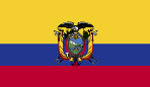 Ecuador
 Egypt
Egypt El Salvador
 Equatorial Guinea
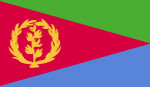 Eritrea
 Eswatini
 Ethiopia
 Falkland Islands
 Faroe Islands
 Finland
 France
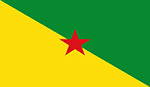 French Guiana
 French Southern T.
 Gabon
Gabon Gambia
 Georgia
 Germany
 Ghana
Ghana Gibraltar
 Greece
 Greenland
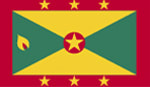 Grenada
Guadeloupe
Grenada
Guadeloupe Guam
Guam Guatemala
 Guinea-Bissau
 Guinea
 Guyana
 Haiti
Haiti Honduras
 Hong Kong
 Hungary
 Iceland
 India
India Indonesia
 Iran
Iran Iraq
Iraq Ireland
 Israel
 Italy
Italy Jamaica
 Japan
Japan Jordan
 Kazakhstan
 Kenya
Kenya Korea
Korea Kuwait
 Kyrgyzstan
 Laos
Laos Lebanon
 Lesotho
 Liberia
 Libya
Libya Liechtenstein
 Luxembourg
 Macao
Macao Madagascar
 Malawi
 Malaysia
 Maldives
 Mali
Mali Malta
Martinique
Malta
Martinique Mauritania
Mayotte
Mauritania
Mayotte Mexico
 Micronesia
 Moldova
 Mongolia
 Montenegro
 Montserrat
 Morocco
 Mozambique
 Myanmar
 Namibia
 Nepal
Nepal Netherlands
 Nicaragua
 Niger
Niger Nigeria
 Nort. Mariana Is.
 North Korea
 North Macedonia
 Norway
 Oman
Oman Pakistan
 Palau
Palau Panama
 Paraguay
 Peru
Peru Philippines
 Poland
 Portugal
 Puerto Rico
 Qatar
Qatar Romania
 Russia
 Rwanda
 Saint Barthélemy
 Saint Helena
 Saint Lucia
 Saint Pierre
 Saint Vincent
 Saudi Arabia
 Senegal
 Serbia
 Seychelles
 Sierra Leone
 Singapore
 Slovakia
 Slovenia
 Somalia
 South Africa
 South Georgia
 South Sudan
 Spain
Spain Sri Lanka
 St. Kitts & Nevis
 Sudan
Sudan Suriname
 Sweden
 Switzerland
 Syria
Syria São Tomé & Príncipe
 Taiwan
 Tajikistan
 Tanzania
 Thailand
 Togo
Togo Trinidad & Tobago
 Tunisia
 Turkmenistan
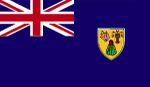 Turks & Caicos
 Turkey
 UAE
UAE US Virgin Islands
 Uganda
 Ukraine
 United Kingdom
 United States
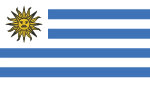 Uruguay
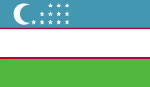 Uzbekistan
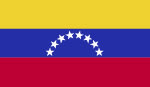 Venezuela
 Vietnam
 Yemen
Yemen Zambia
 Zimbabwe
Anything we've missed?
Help us improve this page by suggesting edits. Glory never dies!
Suggest an editGet to know me
Terrestrial / Aquatic
Altricial / Precocial
Polygamous / Monogamous
Dimorphic (size) / Monomorphic
Active: Diurnal / Nocturnal
Social behavior: Solitary / Pack / Herd
Diet: Carnivore / Herbivore / Omnivore / Piscivorous / Insectivore
Migratory: Yes / No
Domesticated: Yes / No
Dangerous: Yes / No




