


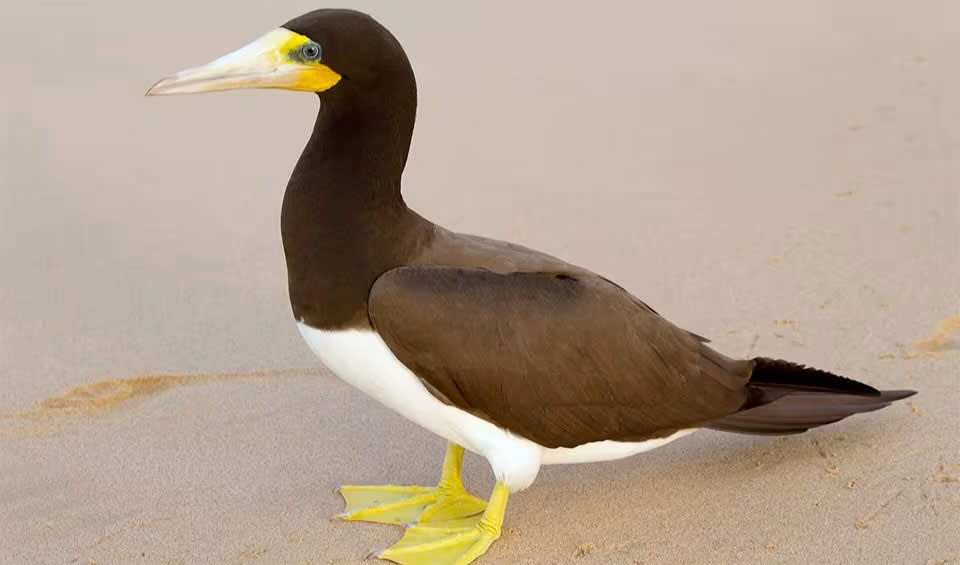
A remarkable seabird with a distinctive appearance and fascinating behaviors. This species, with its starkly contrasting brown and white plumage and sturdy, yellowish beak, is adapted to a life at sea and is rarely seen far from the ocean.
Inhabiting the tropical waters of the Atlantic, Indian, and Pacific Oceans, as well as the Caribbean Sea, the brown booby has a wide geographical range. Their presence around tropical islands and coasts makes them a familiar sight in these regions, often spotted gliding above the water’s surface or perched on cliffs and rocky outcrops.
As adept hunters, brown boobies are piscivores with a diet consisting mainly of small fish and squid. They exhibit remarkable hunting skills, employing a technique known as plunge diving. From heights of up to 50 feet, they dive at high speeds, submerging into the ocean to snatch up prey with their large beak. Their pursuit of flying fish is particularly dramatic, as these prey fish leap from the water to escape underwater predators, only to find themselves in the sights of a Brown Booby.
The social structure of the brown booby is equally intriguing. While they forage alone, they are highly social birds when it comes to breeding. They exhibit monogamous pairing, often with long-lasting pair bonds that can span many breeding seasons. Their loyalty to their partners is a testament to the importance of teamwork in raising their young.
Nest building is a collaborative effort between mates, with nests constructed on the ground using an assortment of materials, including sticks, leaves, and even debris. Their nesting sites are typically located on offshore islets or remote cays, which offer some protection from predators. The female usually lays two eggs, although it is common for only one chick to fledge successfully due to siblicide, where the stronger chick outcompetes the other.
Distribution
 American Samoa
 Anguilla
 Antigua & Barbuda
 Argentina
 Aruba
Aruba Australia
 Bahamas
 Barbados
 Belize
 Benin
Benin Bermuda
 Bonaire Sint Eustatius And Saba
 Brazil
 British Indian T.
 British Virgin Is.
 Brunei
 Cambodia
 Cameroon
 Canada
 Cape Verde
 Cayman Islands
 Chile
Chile China
China Christmas Island
 Cocos Is. (Keeling)
 Colombia
 Comoros
 Cook Islands
 Costa Rica
 Cuba
Cuba Curaçao
 Côte D’ivoire
 Djibouti
 Dominica
 Dominican Republic
 East Timor
 Ecuador
 Egypt
Egypt El Salvador
 Equatorial Guinea
 Eritrea
 Fiji
Fiji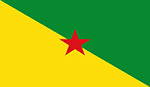 French Guiana
 French Polynesia
 French Southern T.
 Gabon
Gabon Gambia
 Ghana
Ghana Grenada
 Guadeloupe
 Guam
Guam Guatemala
 Guinea-Bissau
 Guinea
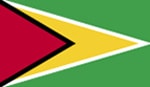 Guyana
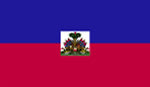 Haiti
Haiti Honduras
 Hong Kong
 India
India Indonesia
 Israel
 Jamaica
 Japan
Japan Jordan
 Kenya
Kenya Kiribati
 Korea
Korea Liberia
 Madagascar
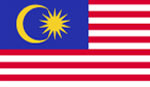 Malaysia
 Maldives
 Marshall Islands
Martinique
Marshall Islands
Martinique Mauritania
 Mauritius
Mayotte
Mauritius
Mayotte Mexico
 Micronesia
 Montserrat
 Morocco
 Mozambique
 Myanmar
 Nauru
Nauru New Caledonia
 New Zealand
 Nicaragua
 Nigeria
 Norfolk Island
 Nort. Mariana Is.
 North Korea
 Oman
Oman Pakistan
 Palau
Palau Panama
 Papua New Guinea
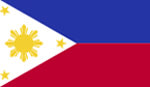 Philippines
 Pitcairn
 Portugal
 Puerto Rico
 Saint Barthélemy
 Saint Helena
 Saint Lucia
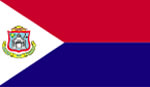 Saint Martin
 Saint Vincent
 Samoa
Samoa Saudi Arabia
 Senegal
 Seychelles
 Sierra Leone
 Singapore
 Sint Maarten
 Solomon Islands
 Somalia
 South Africa
 Spain
Spain Sri Lanka
 St. Kitts & Nevis
 Sudan
Sudan Suriname
 São Tomé & Príncipe
 Taiwan
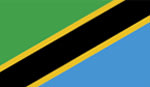 Tanzania
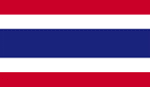 Thailand
 Togo
Togo Tokelau
 Tonga
Tonga Trinidad & Tobago
 Turks & Caicos
 Tuvalu
 UAE
UAE US Minor Is.
 US Virgin Islands
 United States
 Uruguay
 Vanuatu
 Venezuela
 Vietnam
 Wallis & Futuna
 Yemen
YemenAnything we've missed?
Help us improve this page by suggesting edits. Glory never dies!
Suggest an editGet to know me
Terrestrial / Aquatic
Altricial / Precocial
Polygamous / Monogamous
Dimorphic (size) / Monomorphic
Active: Diurnal / Nocturnal
Social behavior: Solitary / Pack / Herd / Flock
Diet: Carnivore / Herbivore / Omnivore / Piscivorous / Insectivore
Migratory: Yes / No
Domesticated: Yes / No
Dangerous: Yes / No





