


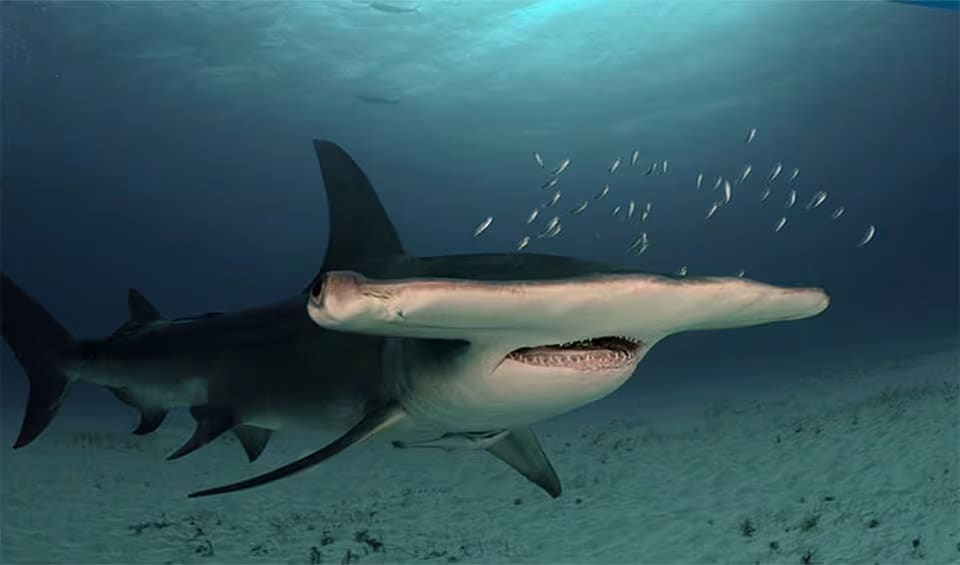
It is easily recognizable by its unique hammer-shaped head, known as a cephalofoil, which is longer and straighter than those of other hammerhead species. This majestic and powerful predator roams the warm waters of oceans worldwide, from coastal areas and island terrains to deeper offshore environments.
One of the most fascinating aspects of the great hammerhead is its size. It can grow up to 6 meters (20 feet) in length, making it one of the largest hammerhead species. This shark’s imposing size is complemented by its muscular build, which helps it to swim swiftly through the water in search of food. Its coloration is another distinctive feature, typically a light grey on the top with a white underbelly, which helps camouflage it from both prey below and potential threats above.
The head of the great hammerhead is not just for show. It provides incredible navigational and sensory advantages. The wide set of eyes gives the shark a better visual range than most other sharks, allowing for almost 360-degree vision. This visual ability is critical when scanning for food or navigating through complex underwater landscapes. Moreover, the cephalofoil is equipped with electroreceptors known as ampullae of Lorenzini, which detect the electrical fields created by potential prey. This makes the great hammerhead a formidable hunter, able to detect prey hidden under the sand on the ocean floor.
One of the unique behaviors of the great hammerhead is its solitary nature. Unlike some of its relatives, which may form large schools, the great hammerhead is typically a loner, roaming the oceans independently. It is known to be more aggressive and assertive than other hammerhead species, especially when hunting.
Distribution
 Atlantic Ocean
 Indian ocean
 Pacific ocean
 Black sea
 Mediterranean Sea
Gulf of Mexico
Mediterranean Sea
Gulf of Mexico Albania
 Algeria
 Angola
 Anguilla
 Antigua & Barbuda
 Aruba
Aruba Australia
 Bahamas
 Bahrain
 Bangladesh
 Barbados
 Belize
 Benin
Benin Bonaire Sint Eustatius And Saba
 Bosnia And Herz.
 Brazil
 British Indian T.
 British Virgin Is.
 Cambodia
 Cameroon
 Cape Verde
 Cayman Islands
 Chile
Chile China
China Colombia
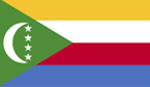 Comoros
 Congo-Brazzaville
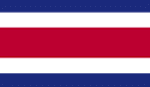 Costa Rica
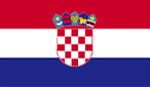 Croatia
 Cuba
Cuba Curaçao
 Côte D’ivoire
 Djibouti
 Dominica
 Dominican Republic
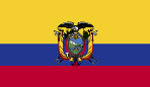 Ecuador
 Egypt
Egypt El Salvador
 Equatorial Guinea
 Eritrea
 France
 French Guiana
 French Polynesia
 French Southern T.
 Gabon
Gabon Gambia
 Ghana
Ghana Gibraltar
 Greece
 Grenada
Guadeloupe
Grenada
Guadeloupe Guatemala
 Guinea-Bissau
 Guinea
 Guyana
 Haiti
Haiti Honduras
 Hong Kong
 India
India Indonesia
 Iran
Iran Iraq
Iraq Israel
 Italy
Italy Jamaica
 Japan
Japan Kenya
Kenya Kuwait
 Liberia
 Libya
Libya Macao
Macao Madagascar
 Maldives
 Malta
Martinique
Malta
Martinique Mauritania
 Mauritius
 Mexico
 Monaco
 Montenegro
 Montserrat
 Morocco
 Mozambique
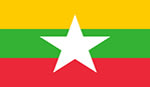 Myanmar
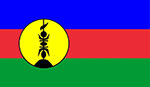 New Caledonia
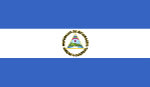 Nicaragua
 Nigeria
 Oman
Oman Pakistan
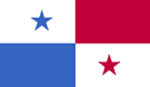 Panama
 Papua New Guinea
 Philippines
 Portugal
 Puerto Rico
 Qatar
Réunion
Qatar
Réunion Saint Barthélemy
 Saint Lucia
 Saint Martin
 Saint Vincent
 Saudi Arabia
 Senegal
 Seychelles
 Sierra Leone
 Sint Maarten
 Slovenia
 Solomon Islands
 Somalia
 South Africa
 Spain
Spain Sri Lanka
 St. Kitts & Nevis
 Sudan
Sudan Suriname
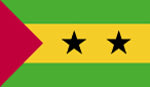 São Tomé & Príncipe
 Taiwan
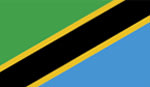 Tanzania
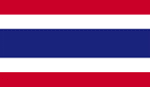 Thailand
 Togo
Togo Trinidad & Tobago
 Tunisia
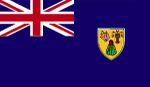 Turks & Caicos
 UAE
UAE US Virgin Islands
 United States
 Uruguay
 Venezuela
 Vietnam
 Yemen
YemenAnything we've missed?
Help us improve this page by suggesting edits. Glory never dies!
Suggest an editGet to know me
Terrestrial / Aquatic
Altricial / Precocial
Polygamous / Monogamous
Dimorphic (size) / Monomorphic
Active: Diurnal / Nocturnal
Social behavior: Solitary / Pack / Herd
Diet: Carnivore / Herbivore / Omnivore / Piscivorous / Insectivore
Migratory: Yes / No
Domesticated: Yes / No
Dangerous: Yes / No




