


A marvel of the marine world, easily identifiable by its distinctive beak-like mouth and the vibrant mosaic of colors on its shell. The shell’s unique pattern is due to overlapping scales, showcasing brown, yellow, orange, and green hues, making the hawksbill a sight to behold and a critical component of marine biodiversity.
Inhabiting the warm tropical and subtropical waters across the globe, hawksbill sea turtles are most frequently found in environments rich in biodiversity, such as coral reefs, mangroves, and seagrass beds. These habitats are crucial for their survival, providing shelter and a varied diet. Hawksbills have a particular affinity for sponges, which form the bulk of their diet. These sponges are often toxic to other marine animals, yet hawksbills consume them with no adverse effects, showcasing a unique adaptation and playing a vital role in the ecosystem by controlling sponge populations, which allows for other marine life to flourish.
Additionally, hawksbills feed on algae, jellyfish, and various crustaceans, contributing to the ecological balance by maintaining healthy coral reefs and seagrass beds. Their ability to dive up to 40 meters (131 feet) and remain underwater for up to 45 minutes demonstrates their incredible adaptability to their aquatic environment.
Migration is another significant aspect of the hawksbill’s life cycle, with these turtles undertaking long journeys between their feeding grounds and nesting sites. This migratory behavior underscores the need for international conservation efforts, as protecting these creatures requires a coordinated approach across different nations and territories.
Distribution
 Atlantic Ocean
 Indian Ocean
 Pacific Ocean
 Black Sea
 Gulf of Mexico
Mediterranean Sea
Red Sea
Gulf of Mexico
Mediterranean Sea
Red Sea American Samoa
 Antigua & Barbuda
 Australia
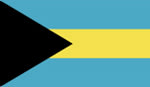 Bahamas
 Bahrain
 Barbados
 Belize
 Bonaire Sint Eustatius And Saba
 Brazil
 British Indian T.
 British Virgin Is.
 Cambodia
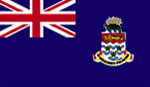 Cayman Islands
 China
China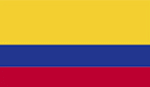 Colombia
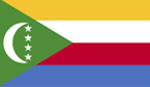 Comoros
 Costa Rica
 Cuba
Cuba Curaçao
 Dominican Republic
 Ecuador
 Egypt
Egypt El Salvador
 Equatorial Guinea
 Eritrea
 Fiji
Fiji French Southern T.
 Grenada
 Guadeloupe
 Guam
Guam Honduras
 India
India Indonesia
 Iran
Iran Jamaica
 Japan
Japan Kenya
Kenya Kuwait
 Madagascar
 Malaysia
 Maldives
Martinique
Maldives
Martinique Mauritius
Mayotte
Mauritius
Mayotte Mexico
 Micronesia
 Mozambique
 Myanmar
 Nicaragua
 Oman
Oman Palau
Palau Panama
 Papua New Guinea
 Philippines
 Puerto Rico
 Qatar
Qatar Saint Martin
 Samoa
Samoa Saudi Arabia
 Seychelles
 Sierra Leone
 Sint Maarten
 Solomon Islands
 Somalia
 Sri Lanka
 St. Kitts & Nevis
 Sudan
Sudan São Tomé & Príncipe
 Taiwan
 Tanzania
 Thailand
 Trinidad & Tobago
 UAE
UAE United States
 Vanuatu
 Venezuela
 Vietnam
 Yemen
YemenAnything we've missed?
Help us improve this page by suggesting edits. Glory never dies!
Suggest an editGet to know me
Terrestrial / Aquatic
Altricial / Precocial
Polygamous / Monogamous
Dimorphic (size)/ Monomorphic
Active: Diurnal / Nocturnal
Social behavior: Solitary / Pack / Herd
Diet: Carnivore / Herbivore / Omnivore / Piscivorous / Insectivore
Migratory: Yes / No
Domesticated: Yes / No
Dangerous: Yes / No




