


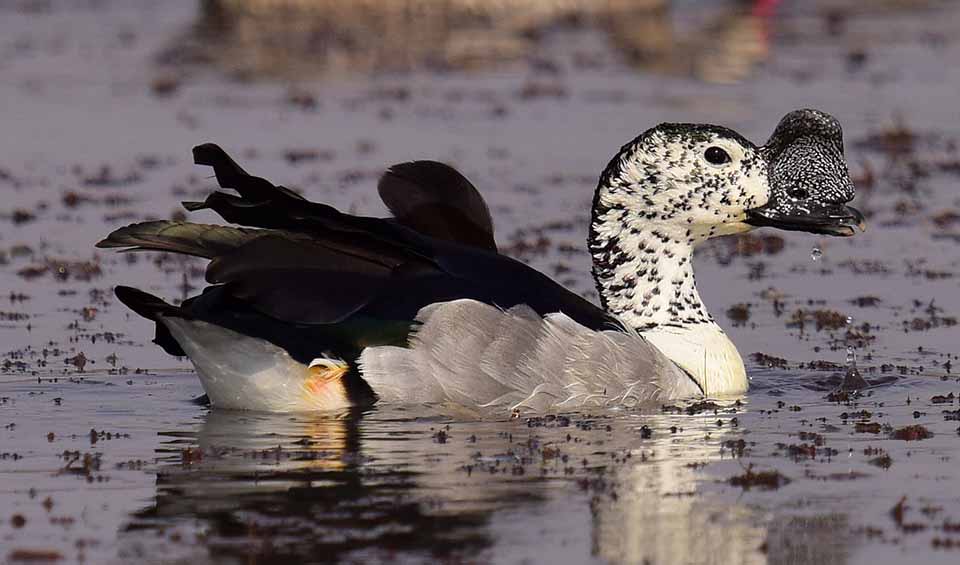
The knob-billed duck (Sarkidiornis melanotos), also known as the comb duck, is one of the more unusual and striking waterfowl found in sub-Saharan Africa, as well as parts of South Asia and Southeast Asia. It gets its name from the large, black, fleshy knob that appears on the top of the male’s bill, a feature that becomes especially prominent during the breeding season. This odd-looking growth gives the bird a prehistoric or almost comical appearance, setting it apart from most other ducks.
Females are smaller and lack the signature knob, making them easy to tell apart. Both sexes have striking plumage: the body is mostly white, often speckled with black, while the wings are a dark, glossy green or purplish black. In flight, they reveal large white patches on the wings, making them easy to identify from a distance.
Knob-billed ducks are usually found in wetlands, lakes, rivers, and flooded grasslands, often in regions with a mix of water and open savanna. They are strong fliers and seasonal wanderers, moving between water sources based on rainfall patterns. Their diet includes a variety of plant material, seeds, aquatic vegetation, and small invertebrates. They often feed by dabbling on the surface or grazing in shallow water and muddy areas.
One of the most interesting aspects of the knob-billed duck is its breeding behavior. Males are often polygynous, meaning they may mate with multiple females during a season. Males compete for females by displaying their size, bill knob, and flying ability. Females build nests in tree holes, riverbanks, or tall grass, and they care for the young alone. Ducklings are born well-developed and can swim and feed themselves shortly after hatching, though they stay close to the mother for protection.
Distribution
 Angola
 Bangladesh
 Benin
Benin Botswana
 Burkina Faso
 Burundi
 Cambodia
 Cameroon
 Central Af. Rep.
 Chad
Chad China
China Congo-Brazzaville
 Côte D’ivoire
 DR Congo (Kinshasa)
 Eritrea
 Eswatini
 Ethiopia
 Gabon
Gabon Gambia
 Ghana
Ghana Guinea-Bissau
 Guinea
 India
India Japan
Japan Kenya
Kenya Laos
Laos Lesotho
 Liberia
 Madagascar
 Malawi
 Mali
Mali Mauritania
 Mozambique
 Myanmar
 Namibia
 Nepal
Nepal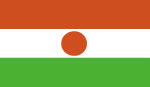 Niger
Niger Nigeria
 Oman
Oman Pakistan
 Rwanda
 Senegal
 Sierra Leone
 Somalia
 South Africa
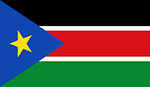 South Sudan
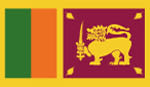 Sri Lanka
 Sudan
Sudan São Tomé & Príncipe
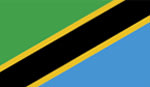 Tanzania
 Thailand
 Togo
Togo Uganda
 Vietnam
 Zambia
 Zimbabwe
Anything we've missed?
Help us improve this page by suggesting edits. Glory never dies!
Suggest an editGet to know me
Terrestrial / Aquatic
Altricial / Precocial
Polygamous / Monogamous
Dimorphic (size) / Monomorphic
Active: Diurnal / Nocturnal
Social behavior: Solitary / Pack / Flock
Diet: Carnivore / Herbivore / Omnivore / Piscivorous / Insectivore
Migratory: Yes / No
Domesticated: Yes / No
Dangerous: Yes / No




