


One of the most remarkable animals living in the rivers and coastal waters of Papua New Guinea. Unlike most rays tied to the sea, this species can move freely between saltwater and freshwater, sometimes traveling deep inland. Historical accounts even mention sawfish being found more than a thousand kilometers upriver, something no other ray can match. This flexibility makes it stand out from other sawfish species, which usually stay closer to estuaries or shallow coasts. In Papua New Guinea, the Largetooth Sawfish is often reported in places like Lake Murray, the Fly River system, Daru, the Gulf of Papua (Southern part of PNG), and the Sepik River (Northern part of PNG), suggesting the country may be one of its last strongholds.
This sawfish earns its name from its broad, powerful saw-like snout, which is lined with large teeth that are spaced wider apart than in most of its relatives. The saw is not just for show—it is a hunting tool. With quick sideways slashes, the Largetooth Sawfish can stun and injure fish before snapping them up. It also uses the saw to stir up muddy river bottoms to uncover crabs and small prey. Another difference lies in its size: the Largetooth Sawfish can grow more than six meters long, making it one of the largest rays on Earth. Despite its fearsome appearance, it is not aggressive toward people and usually keeps to itself in remote waters.
What sets the Largetooth Sawfish apart from its relatives is both its adaptability and its broad, robust rostrum. The study notes that its rostrum teeth are larger and more widely spaced than those of the Green or Narrow Sawfish, which gives it an advantage when slashing through schools of fish. Unlike the Smalltooth Sawfish, which is primarily found in coastal waters, the Largetooth can penetrate far inland. The paper highlights historical accounts of individuals reaching over 1,300 kilometers upriver, a feat unmatched by other sawfish species.
Distribution
 Atlantic Ocean
 Indian ocean
 Pacific ocean
 Angola
 Australia
 Bangladesh
 Belize
 Benin
Benin Brazil
 Brunei
 Cambodia
 Cameroon
 Colombia
 Congo-Brazzaville
 Costa Rica
 Côte D’ivoire
 DR Congo (Kinshasa)
 East Timor
 Ecuador
 El Salvador
 Equatorial Guinea
 France
 French Guiana
 Gabon
Gabon Gambia
 Ghana
Ghana Guatemala
 Guinea-Bissau
 Guinea
 Guyana
 Honduras
 India
India Indonesia
 Italy
Italy Kenya
Kenya Laos
Laos Liberia
 Madagascar
 Malaysia
 Mauritania
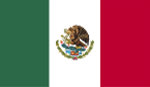 Mexico
 Mozambique
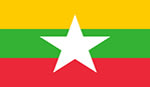 Myanmar
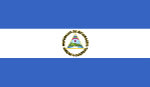 Nicaragua
 Nigeria
 Oman
Oman Pakistan
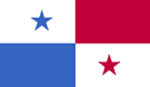 Panama
 Papua New Guinea
 Peru
Peru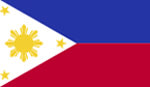 Philippines
 Senegal
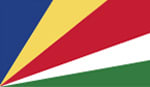 Seychelles
 Sierra Leone
 Singapore
 Somalia
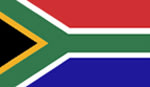 South Africa
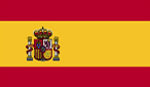 Spain
Spain Sri Lanka
 Suriname
 Tanzania
 Thailand
 Togo
Togo Venezuela
 Vietnam
 Yemen
YemenRecent Updates
- This species profile was created with the support of Dr. Michael I. Grant, Dr. William T. White and Dr. Ruth Leeney.
Anything we've missed?
Help us improve this page by suggesting edits. Glory never dies!
Suggest an editGet to know me
Terrestrial / Aquatic
Altricial / Precocial
Polygamous / Monogamous
Dimorphic (size) / Monomorphic
Active: Diurnal / Nocturnal
Social behavior: Solitary / Pack / Herd
Diet: Carnivore / Herbivore / Omnivore / Piscivorous / Insectivore
Migratory: Yes / No
Domesticated: Yes / No
Dangerous: Yes / No




