


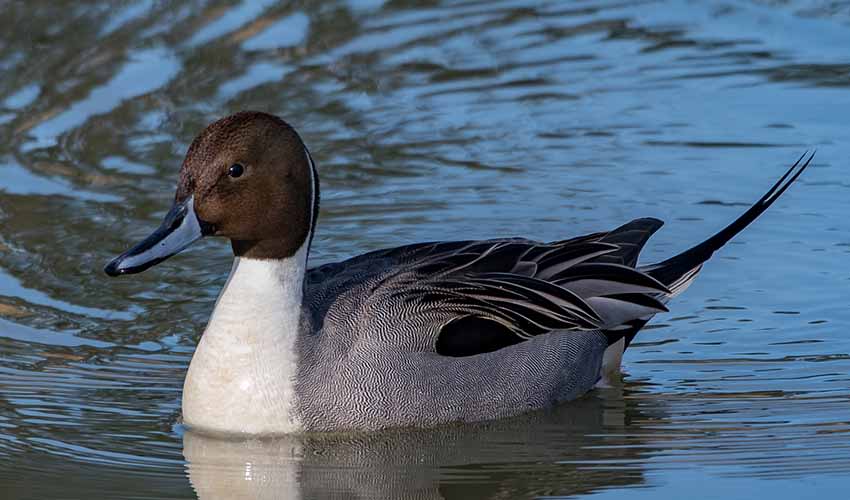
One of the most elegant ducks in the world, often admired for its graceful shape and sleek plumage. Males are especially striking during the breeding season, with long, pointed tail feathers that can stretch up to four inches—hence the name “pintail.” Their chocolate-brown heads contrast beautifully with their white necks and gray bodies, giving them a refined, almost aristocratic look. Females, though more modest in coloring with mottled brown feathers, share the same slender, elongated body that sets pintails apart from bulkier ducks. Their long necks and slim profiles make them resemble small geese gliding over the water. Watching a pintail take flight is like watching poetry in motion—their wings beat rapidly, and they rise smoothly into the air with impressive speed and agility.
These ducks are found across the Northern Hemisphere, from the icy tundras of Alaska to the wetlands of Asia and Europe. They are true travelers of the bird world, migrating thousands of miles between breeding and wintering grounds. Some pintails have been known to travel from Canada all the way to Central America during migration season. Despite their long journeys, they always find their way back to familiar nesting areas, guided by instincts scientists still don’t fully understand. Their nests are often placed in grassy fields or tundra near water—sometimes even miles away from the nearest pond—showing their confidence and adaptability to different landscapes.
Unlike some other ducks that quack noisily, pintails are relatively quiet. Males make soft, whistling calls, while females produce a low, coarse “quack,” making them one of the more understated species on the pond. Interestingly, pintails are among the first ducks to migrate in both spring and fall, earning them the nickname “harbingers of migration” among birdwatchers.
Distribution
 Afghanistan
 Albania
 Algeria
 Anguilla
 Antigua & Barbuda
 Armenia
 Aruba
Aruba Australia
 Austria
 Azerbaijan
 Bahamas
 Bahrain
 Bangladesh
 Barbados
 Belarus
 Belgium
 Belize
 Benin
Benin Bermuda
 Bhutan
 Bosnia And Herz.
 Botswana
 Brazil
 British Virgin Is.
 Brunei
 Bulgaria
 Burkina Faso
 Burundi
 Cambodia
 Cameroon
 Canada
 Cayman Islands
 Central Af. Rep.
 Chad
Chad China
China Colombia
 Cook Islands
 Costa Rica
 Croatia
 Cuba
Cuba Cyprus
 Czechia
 Côte D’ivoire
 DR Congo (Kinshasa)
 Denmark
 Djibouti
 Dominica
 Dominican Republic
 Egypt
Egypt El Salvador
 Eritrea
 Estonia
 Ethiopia
 Faroe Islands
 Finland
 France
 French Polynesia
 Gabon
Gabon Gambia
 Georgia
 Germany
 Ghana
Ghana Greece
 Greenland
Guadeloupe
Greenland
Guadeloupe Guam
Guam Guatemala
 Guinea-Bissau
 Guinea
 Guyana
 Haiti
Haiti Honduras
 Hong Kong
 Hungary
 Iceland
 India
India Indonesia
 Iran
Iran Iraq
Iraq Ireland
 Israel
 Italy
Italy Jamaica
 Japan
Japan Jordan
 Kazakhstan
 Kenya
Kenya Kiribati
 Korea
Korea Kuwait
 Kyrgyzstan
 Laos
Laos Latvia
 Lebanon
 Liberia
 Libya
Libya Liechtenstein
 Lithuania
 Luxembourg
 Malawi
 Malaysia
 Maldives
 Mali
Mali Malta
Malta Marshall Islands
Martinique
Marshall Islands
Martinique Mauritania
 Mexico
 Micronesia
 Mongolia
 Montenegro
 Montserrat
 Morocco
 Myanmar
 Nepal
Nepal Netherlands
 Nicaragua
 Niger
Niger Nigeria
 Nort. Mariana Is.
 North Korea
 North Macedonia
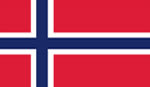 Norway
 Oman
Oman Pakistan
 Palau
Palau Panama
 Papua New Guinea
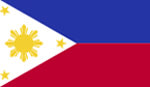 Philippines
 Poland
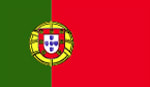 Portugal
 Puerto Rico
 Qatar
Qatar Romania
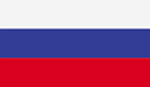 Russia
 Rwanda
 Saint Barthélemy
 Saint Lucia
 Saint Pierre
 Saint Vincent
 Saudi Arabia
 Senegal
 Serbia
 Seychelles
 Sierra Leone
 Singapore
 Slovakia
 Slovenia
 Somalia
 South Africa
 South Sudan
 Spain
Spain Sri Lanka
 St. Kitts & Nevis
 Sudan
Sudan Suriname
Svalbard
Suriname
Svalbard Sweden
 Switzerland
 Syria
Syria Taiwan
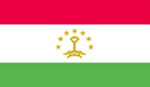 Tajikistan
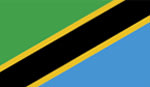 Tanzania
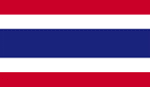 Thailand
 Togo
Togo Tonga
Tonga Trinidad & Tobago
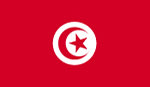 Tunisia
 Turkmenistan
 Turks & Caicos
 Turkey
 UAE
UAE US Minor Is.
 US Virgin Islands
 Uganda
 Ukraine
 United Kingdom
 United States
 Uzbekistan
 Venezuela
 Vietnam
 Yemen
Yemen Zambia
 Zimbabwe
Anything we've missed?
Help us improve this page by suggesting edits. Glory never dies!
Suggest an editGet to know me
Terrestrial / Aquatic
Altricial / Precocial
Polygamous / Monogamous
Dimorphic (size) / Monomorphic
Active: Diurnal / Nocturnal
Social behavior: Solitary / Pack / Herd
Diet: Carnivore / Herbivore / Omnivore / Piscivorous / Insectivore
Migratory: Yes / No
Domesticated: Yes / No
Dangerous: Yes / No




