


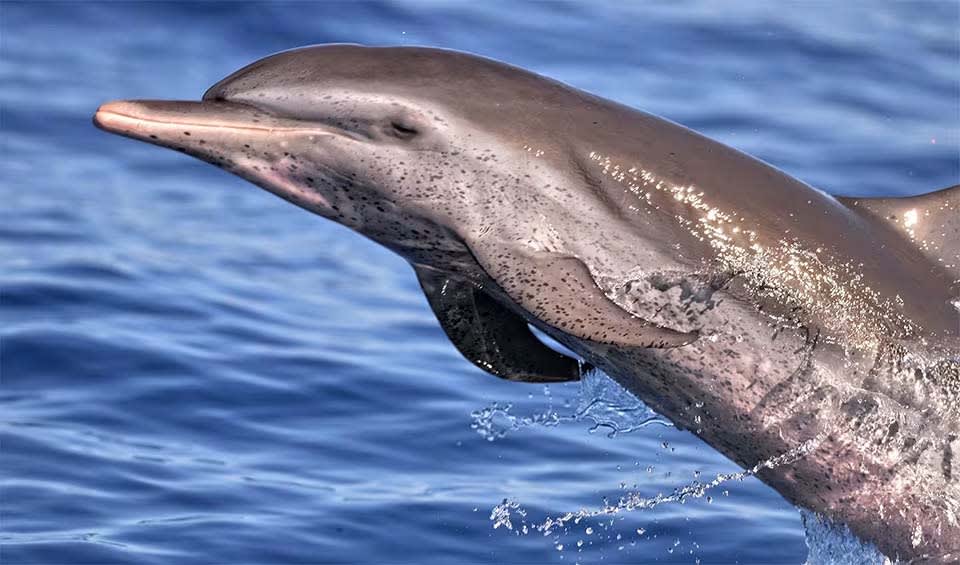
Unlike the solitary dolphins you might see in documentaries, Pantropical spotted dolphins are true socialites. They gather in large pods, sometimes numbering in the hundreds or even thousands! Imagine a swirling, splashing ballet of spotted bodies, leaping and diving in unison, a testament to their joyful nature. But their playful spirit isn’t just for show; it’s a sign of their strong social bonds.
Here’s where the “spotted” part of their name comes in: As Pantropical spotted dolphins grow older, their bodies erupt in a constellation of dark spots. These spots, unique to each individual, are like a living fingerprint, making each dolphin easily recognizable to its pod-mates. It’s a way for them to identify each other and maintain those strong social connections.
But Pantropical spotted dolphins aren’t just about socializing; they’re also skilled hunters. Using their keen eyesight and echolocation (like underwater sonar), they navigate the ocean depths with precision, searching for schools of fish, squid, and other tasty prey. Their powerful bodies and agile movements make them masters of the chase, leaving little chance for their dinner to escape.
These playful mariners play a vital role in the ocean ecosystem. As they hunt, they keep prey populations in check and maintain a healthy balance. Additionally, their social interactions and complex communication systems help us understand the fascinating world of dolphin intelligence.
Distribution
 Atlantic Ocean
 Indian ocean
 Pacific ocean
 Red Sea
 American Samoa
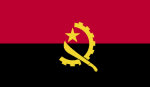 Angola
 Anguilla
 Antigua & Barbuda
 Argentina
 Aruba
Aruba Australia
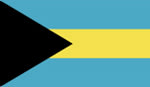 Bahamas
 Bahrain
 Bangladesh
 Barbados
 Belize
 Benin
Benin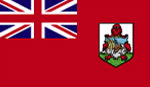 Bermuda
 Bonaire Sint Eustatius And Saba
 Brazil
 British Virgin Is.
 Brunei
 Cambodia
 Cameroon
 Cape Verde
 Cayman Islands
 China
China Cocos Is. (Keeling)
 Colombia
 Comoros
 Congo-Brazzaville
 Cook Islands
 Costa Rica
 Cuba
Cuba Curaçao
 Côte D’ivoire
 DR Congo (Kinshasa)
 Djibouti
 Dominica
 Dominican Republic
 East Timor
 Ecuador
 Egypt
Egypt El Salvador
 Equatorial Guinea
 Eritrea
 Fiji
Fiji French Guiana
 French Polynesia
 Gabon
Gabon Gambia
 Ghana
Ghana Grenada
 Guadeloupe
 Guam
Guam Guatemala
 Guinea-Bissau
 Guinea
 Guyana
 Haiti
Haiti Honduras
 Hong Kong
 India
India Indonesia
 Iran
Iran Iraq
Iraq Israel
 Jamaica
 Japan
Japan Jordan
 Kenya
Kenya Kiribati
 Korea
Korea Kuwait
 Liberia
 Madagascar
 Malaysia
 Maldives
 Marshall Islands
Martinique
Marshall Islands
Martinique Mauritania
 Mauritius
Mayotte
Mauritius
Mayotte Mexico
 Micronesia
 Montserrat
 Mozambique
 Myanmar
 Nauru
Nauru New Caledonia
 New Zealand
 Nicaragua
 Nigeria
 Niue
Niue Nort. Mariana Is.
 North Korea
 Oman
Oman Pakistan
 Palau
Palau Panama
 Papua New Guinea
 Peru
Peru Philippines
 Pitcairn
 Puerto Rico
Réunion
Puerto Rico
Réunion Saint Helena
 Saint Lucia
 Saint Martin
 Saint Vincent
 Samoa
Samoa Saudi Arabia
 Senegal
 Seychelles
 Sierra Leone
 Singapore
 Sint Maarten
 Solomon Islands
 Somalia
 South Africa
 Sri Lanka
 St. Kitts & Nevis
 Sudan
Sudan Suriname
 São Tomé & Príncipe
 Taiwan
 Tanzania
 Thailand
 Togo
Togo Tokelau
 Tonga
Tonga Trinidad & Tobago
 Turks & Caicos
 Tuvalu
 UAE
UAE US Virgin Islands
 United States
 Uruguay
 Vanuatu
 Venezuela
 Vietnam
 Wallis & Futuna
 Yemen
YemenAnything we've missed?
Help us improve this page by suggesting edits. Glory never dies!
Suggest an editGet to know me
Terrestrial / Aquatic
Altricial / Precocial
Polygamous (size) / Monogamous
Dimorphic / Monomorphic
Active: Diurnal / Nocturnal
Social behavior: Solitary / Pack / Herd / Pod
Diet: Carnivore / Herbivore / Omnivore / Piscivorous / Insectivore
Migratory: Yes / No
Domesticated: Yes / No
Dangerous: Yes / No





