


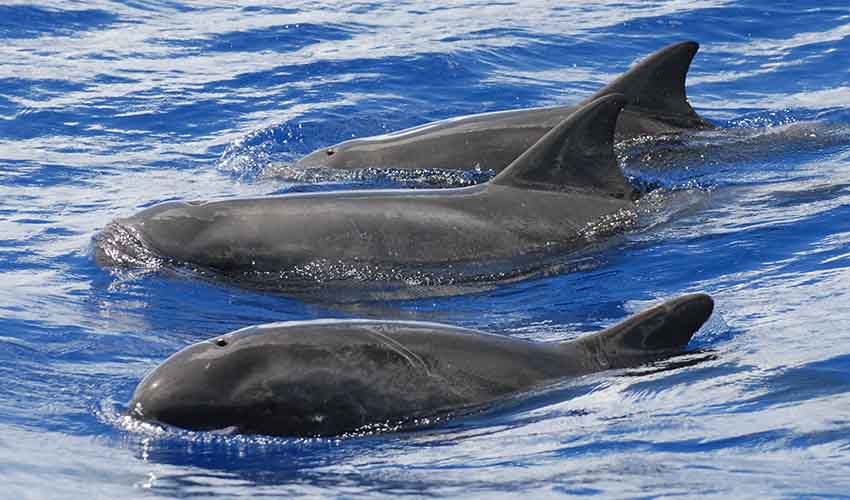
Found in tropical and subtropical oceans around the world, this species is actually not a true whale at all but a small oceanic dolphin, closely related to the pilot whales and melon-headed whale. The pygmy killer whale is larger than most dolphins but much smaller than the mighty orca, the “killer whale” it’s named after. Its body is sturdy and torpedo-shaped, with a rounded head and no beak, giving it a more whale-like profile. Its coloration is distinct too: dark gray to black on top with lighter gray sides, a whitish patch on the belly, and pale lips and chin that make it look like it’s always pursing its mouth into a faint smile.
What makes the pygmy killer whale stand out from other dolphins is its rare and secretive lifestyle. Unlike bottlenose dolphins that are often seen near coasts or interacting with boats, pygmy killer whales are deep-water specialists, spending most of their lives far offshore in warm, open seas. They live in tight-knit pods of about 10 to 30 individuals, though sometimes much larger groups are seen. These pods are strongly bonded, with individuals often swimming in close formation. Their behavior has been described as both cautious and aggressive—while they usually avoid boats and humans, they can show bursts of speed and even hostility if disturbed.
Diet-wise, pygmy killer whales are carnivores, feeding mainly on squid and deep-sea fish, which they hunt cooperatively. Their strong jaws and sharp teeth allow them to tackle fairly large prey for their size, and coordinated hunting within their pod makes them efficient predators. Despite their name, they do not attack large whales like orcas do. In fact, the name “killer whale” is misleading—it comes more from their stocky build and darker coloration than from their feeding habits.
Distribution
 Atlantic Ocean
 Indian ocean
 Pacific ocean
 Algeria
 Angola
 Anguilla
 Antigua & Barbuda
 Aruba
Aruba Australia
 Bahamas
 Bangladesh
 Barbados
 Belize
 Benin
Benin Bonaire Sint Eustatius And Saba
 Brazil
 British Virgin Is.
 Brunei
 Cambodia
 Cameroon
 Cayman Islands
 China
China Cocos Is. (Keeling)
 Colombia
 Comoros
 Congo-Brazzaville
 Cook Islands
 Costa Rica
 Cuba
Cuba Curaçao
 Côte D’ivoire
 DR Congo (Kinshasa)
 Djibouti
 Dominica
 Dominican Republic
 East Timor
 Ecuador
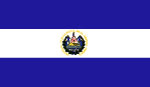 El Salvador
 Equatorial Guinea
 Fiji
Fiji France
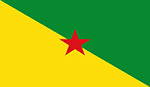 French Guiana
 French Polynesia
 Gabon
Gabon Gambia
 Ghana
Ghana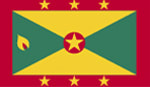 Grenada
 Guam
Guam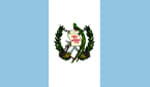 Guatemala
 Guinea-Bissau
 Guinea
 Guyana
 Haiti
Haiti Honduras
 India
India Indonesia
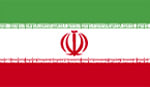 Iran
Iran Italy
Italy Jamaica
 Japan
Japan Kenya
Kenya Kiribati
 Korea
Korea Liberia
 Madagascar
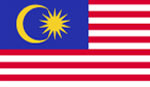 Malaysia
 Maldives
 Marshall Islands
 Mauritania
Mayotte
Mauritania
Mayotte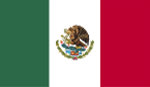 Mexico
 Micronesia
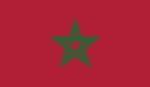 Morocco
 Mozambique
 Myanmar
 Namibia
 Nauru
Nauru New Caledonia
 Nicaragua
 Nigeria
 Niue
Niue Nort. Mariana Is.
 Oman
Oman Pakistan
 Palau
Palau Panama
 Papua New Guinea
 Peru
Peru Philippines
 Pitcairn
 Portugal
 Puerto Rico
 Saint Martin
 Saint Vincent
 Samoa
Samoa Senegal
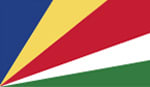 Seychelles
 Sierra Leone
 Singapore
 Sint Maarten
 Solomon Islands
 Somalia
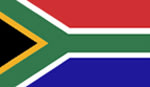 South Africa
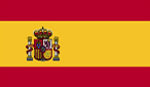 Spain
Spain Sri Lanka
 St. Kitts & Nevis
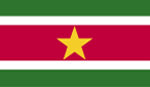 Suriname
 Taiwan
 Tanzania
 Thailand
 Togo
Togo Tokelau
 Tonga
Tonga Trinidad & Tobago
 Tuvalu
 US Virgin Islands
 United States
 Uruguay
 Vanuatu
 Venezuela
 Vietnam
 Wallis & Futuna
 Yemen
YemenAnything we've missed?
Help us improve this page by suggesting edits. Glory never dies!
Suggest an editGet to know me
Terrestrial / Aquatic
Altricial / Precocial
Polygamous / Monogamous
Dimorphic (size) / Monomorphic
Active: Diurnal / Nocturnal
Social behavior: Solitary / Pack / Pods
Diet: Carnivore / Herbivore / Omnivore / Piscivorous / Insectivore
Migratory: Yes / No
Domesticated: Yes / No
Dangerous: Yes / No




