


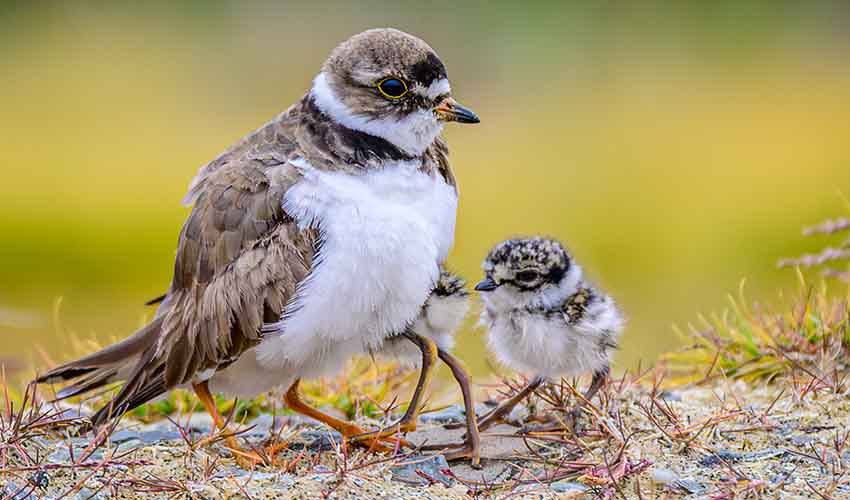
The name “Semipalmated” might sound like a mouthful of jargon, but it actually points to their most unique physical superpower. “Palmate” refers to webbing, and “semipalmated” means they have partially webbed toes. Unlike many other shorebirds that have completely separate toes, this little plover has tiny “snowshoes” built into its feet. This webbing is a functional masterpiece; it provides extra surface area, preventing the bird from sinking into soft, treacherous mud or quicksand while it hunts. It gives them a sure-footedness that other plovers lack, allowing them to sprint across squishy coastal terrain with the speed and grace of a sprinter on a professional track.
When it comes to survival, these birds are both master dancers and world-class athletes. To find a meal, they perform a unique “foot-trembling” move: standing on one leg, they rapidly vibrate the other foot against the sand. This vibration tricks worms and tiny crustaceans into moving, leading them to think either that rain is falling or that a predator is nearby. The moment the prey flinches, the plover’s sharp eyes catch the movement, and it snatches up its snack. Beyond the hunt, their physical endurance is staggering. These tiny birds, which weigh about as much as a slice of bread, are marathon migrants. They breed in the chilly Arctic tundra of Alaska and Canada but fly thousands of miles to winter in the warm coastal regions of South America, making them some of the most impressive travelers in the animal kingdom.
What makes the semipalmated plover truly humanized is its dedication to family and its clever use of camouflage. When they aren’t on the move, they are nearly invisible; their brown backs perfectly match the wet sand, a biological trick known as “counter-shading.” In their Arctic nesting grounds, both the mother and father take turns incubating the eggs, showing a level of shared parenting that is quite touching.
Distribution
 Anguilla
 Antigua & Barbuda
 Argentina
 Aruba
Aruba Bahamas
 Barbados
 Belize
 Bermuda
 Bolivia
 Bonaire Sint Eustatius And Saba
 Brazil
 British Virgin Is.
 Canada
 Cayman Islands
 Chile
Chile Colombia
 Costa Rica
 Cuba
Cuba Curaçao
 Dominica
 Dominican Republic
 Ecuador
 El Salvador
 French Guiana
 Greenland
 Grenada
 Guadeloupe
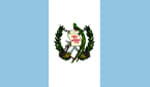 Guatemala
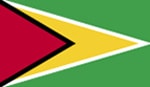 Guyana
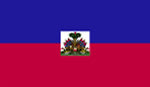 Haiti
Haiti Honduras
 Jamaica
 Marshall Islands
Martinique
Marshall Islands
Martinique Mexico
 Montserrat
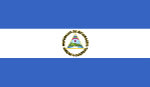 Nicaragua
 Panama
 Paraguay
 Peru
Peru Portugal
 Puerto Rico
 Saint Barthélemy
 Saint Lucia
 Saint Martin
 Saint Pierre
 Saint Vincent
 Sint Maarten
 Spain
Spain St. Kitts & Nevis
 Suriname
 Trinidad & Tobago
 Turks & Caicos
 US Minor Is.
 US Virgin Islands
 United Kingdom
 United States
 Uruguay
 Venezuela
Anything we've missed?
Help us improve this page by suggesting edits. Glory never dies!
Suggest an editGet to know me
Terrestrial / Aquatic
Altricial / Precocial
Polygamous / Monogamous
Dimorphic (size) / Monomorphic
Active: Diurnal / Nocturnal
Social behavior: Solitary / Pack / Flock
Diet: Carnivore / Herbivore / Omnivore / Piscivorous / Insectivore
Migratory: Yes / No
Domesticated: Yes / No
Dangerous: Yes / No




