


Visually, it is striking and sophisticated, draped in a deep, soot-colored “cape” that covers its back, wings, and the top of its head. This dark plumage contrasts sharply with its bright white belly and face, giving it a crisp, formal appearance. It is a sleek, aerodynamic creature, characterized by long, pointed wings and a deeply forked tail, which allow it to maneuver with incredible precision through ocean winds.
What makes the sooty tern truly extraordinary—and a bit of a biological rebel—is its complicated relationship with the water. Despite being a seabird, it possesses a peculiar trait: its feathers are not very waterproof. If it were to sit on the ocean surface for too long, its plumage would become waterlogged, making it heavy and potentially causing it to drown. To survive this, the sooty tern has adopted a lifestyle of perpetual flight. Once a young bird leaves its nest and heads out to sea, it may not touch land or rest on the water again for three to ten years until it is finally ready to start a family of its own. It lives an almost entirely aerial existence, eating, drinking, and even sleeping while remaining airborne.
Because it spends so much time in the sky, the sooty tern has developed a fascinating way to rest without crashing. It can engage in a type of “power napping,” resting one half of its brain at a time while the other half stays alert to keep the bird flying and navigating. This incredible ability allows it to remain active around the clock, earning it the nickname “Wideawake” from early sailors. When they finally do return to land to raise their young, they gather in massive, bustling colonies that can number in the hundreds of thousands.
Distribution
 American Samoa
 Angola
 Anguilla
 Antigua & Barbuda
 Argentina
 Aruba
Aruba Australia
 Bahamas
 Bahrain
 Bangladesh
 Barbados
 Belgium
 Belize
 Benin
Benin Bermuda
 Bonaire Sint Eustatius And Saba
 Brazil
 British Indian T.
 British Virgin Is.
 Cambodia
 Cameroon
 Canada
 Cape Verde
 Cayman Islands
 Chile
Chile China
China Christmas Island
 Cocos Is. (Keeling)
 Colombia
 Comoros
 Congo-Brazzaville
 Cook Islands
 Costa Rica
 Cuba
Cuba Curaçao
 Côte D’ivoire
 DR Congo (Kinshasa)
 Denmark
 Djibouti
 Dominica
 Dominican Republic
 East Timor
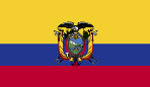 Ecuador
 El Salvador
 Equatorial Guinea
 Eritrea
 Eswatini
 Fiji
Fiji France
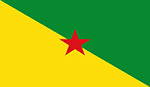 French Guiana
 French Polynesia
 French Southern T.
 Gabon
Gabon Gambia
 Germany
 Ghana
Ghana Grenada
Guadeloupe
Grenada
Guadeloupe Guam
Guam Guatemala
 Guinea-Bissau
 Guinea
 Guyana
 Haiti
Haiti Honduras
 Hong Kong
 Iceland
 India
India Indonesia
 Iran
Iran Iraq
Iraq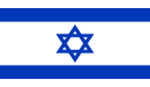 Israel
 Italy
Italy Jamaica
 Japan
Japan Kenya
Kenya Kiribati
 Korea
Korea Kuwait
 Liberia
 Madagascar
 Malawi
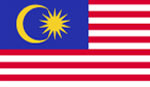 Malaysia
 Maldives
 Marshall Islands
Martinique
Marshall Islands
Martinique Mauritania
 Mauritius
Mayotte
Mauritius
Mayotte Mexico
 Micronesia
 Montserrat
 Mozambique
 Myanmar
 Namibia
 Nauru
Nauru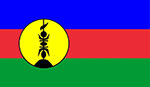 New Caledonia
 New Zealand
 Nicaragua
 Nigeria
 Niue
Niue Norfolk Island
 Nort. Mariana Is.
 Norway
 Oman
Oman Pakistan
 Palau
Palau Panama
 Papua New Guinea
 Peru
Peru Philippines
 Pitcairn
 Portugal
 Puerto Rico
Réunion
Puerto Rico
Réunion Saint Barthélemy
 Saint Helena
 Saint Lucia
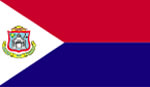 Saint Martin
 Saint Vincent
 Samoa
Samoa Saudi Arabia
 Senegal
 Seychelles
 Sierra Leone
 Sint Maarten
 Solomon Islands
 Somalia
 South Africa
 Spain
Spain Sri Lanka
 St. Kitts & Nevis
 Sudan
Sudan Suriname
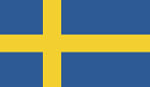 Sweden
 São Tomé & Príncipe
 Taiwan
 Tanzania
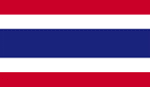 Thailand
 Togo
Togo Tokelau
 Tonga
Tonga Trinidad & Tobago
 Tunisia
 Turks & Caicos
 Tuvalu
 UAE
UAE US Minor Is.
 US Virgin Islands
 United Kingdom
 United States
 Vanuatu
 Venezuela
 Vietnam
 Wallis & Futuna
 Yemen
Yemen Zimbabwe
Anything we've missed?
Help us improve this page by suggesting edits. Glory never dies!
Suggest an editGet to know me
Terrestrial / Aquatic
Altricial / Precocial
Polygamous / Monogamous
Dimorphic (size) / Monomorphic
Active: Diurnal / Nocturnal
Social behavior: Solitary / Pack / Flock
Diet: Carnivore / Herbivore / Omnivore / Piscivorous / Insectivore
Migratory: Yes / No
Domesticated: Yes / No
Dangerous: Yes / No




