Coccyzus
They’re “cuckoos”… but usually not the sneaky kind
A group of New World cuckoos—birds found in the Americas that often surprise people because they don’t behave like the “classic” cuckoo stereotype. When many people hear “cuckoo,” they think of the Eurasian common cuckoo that lays its eggs in other birds’ nests. But most Coccyzus cuckoos usually build their own nests and raise their own young, making them feel more like quiet woodland birds than sneaky nest hijackers. They’re typically slender, long-tailed birds with strong legs, and many have bold black-and-white patterns under the tail that flash when they fly.
Coccyzus species live in a variety of habitats, from forests and woodlands to mangroves, depending on the species. Some are island specialists (like lizard-cuckoos in the Caribbean), while others are wide-ranging migrants. Two of the best-known members are the yellow-billed cuckoo and black-billed cuckoo, which breed in North America and migrate south for the winter. What makes these birds extra interesting is how “in-between” they feel: they’re not flashy songbirds, not raptors, not parrots—just sleek, watchful hunters that can vanish into leaves even when they’re fairly big.
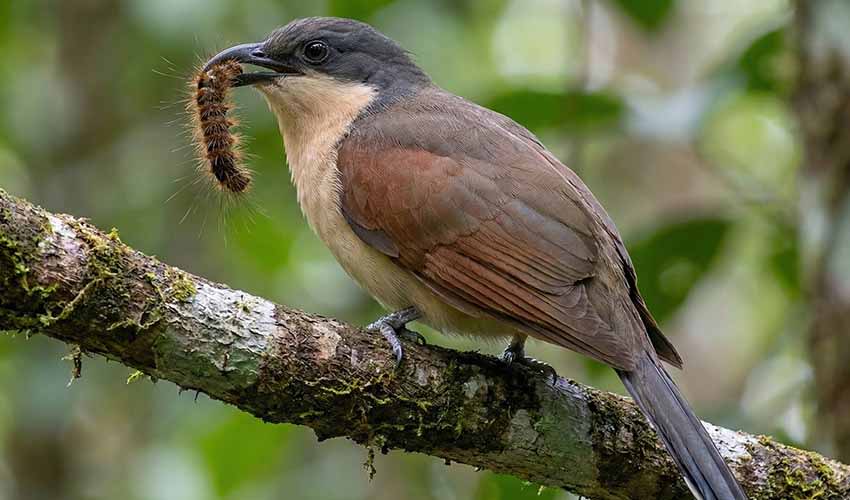
A big thing that sets Coccyzus apart from many other cuckoos is its diet and hunting style. They’re famous for eating large insects, including caterpillars that other birds avoid—especially hairy or spiny caterpillars that can be irritating or distasteful. Yellow-billed cuckoos can gorge during outbreaks, sometimes eating huge numbers in a sitting, which makes them like natural pest-control with feathers. They hunt with patience: sitting still in cover, then slipping forward to grab prey with a quick lunge. Some Coccyzus members—especially the “lizard cuckoos”—lean more toward catching small vertebrates such as lizards, which is a pretty wild upgrade from “just insects.”

Species in this genus


Bay-breasted cuckoo
It’s bigger than many people expect
Cocos cuckoo
You may hear it more than see it

Black-billed cuckoo
Once believed that their frequent calling was a sure sign that a thunderstorm was on its way

Mangrove cuckoo
Have specialized glands that help them manage the high-salinity environment of the coast
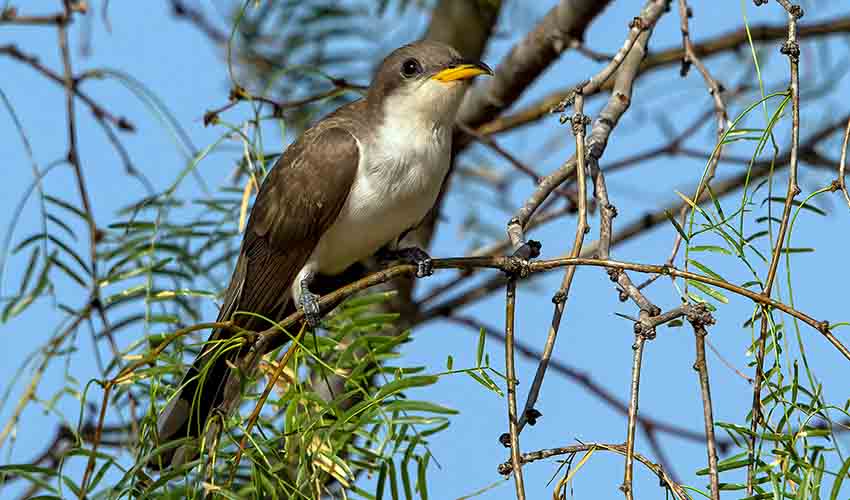
Yellow-billed cuckoo
Its sound is one of the most iconic sounds of the American summer

