Garrulus – Jays
You may hear them before you see them, because they often stay hidden among branches
They are best known for their bright wing markings, strong voices, and sharp intelligence. Members of this genus often have soft brown, gray, black, white, and blue patterns, depending on the species. The famous Eurasian jay has beautiful blue-and-black wing patches, while other Garrulus jays can have darker heads, pale bodies, or different regional markings. Compared with many smaller songbirds, these jays are larger, stronger, and more powerfully built, with sturdy beaks designed for handling seeds, nuts, insects, and other foods.
One of the most distinctive features of Garrulus jays is their close relationship with forests, especially oak forests. These birds are famous for collecting acorns and burying them for later. This habit helps them survive during colder or harder seasons, but it also helps forests grow. Jays do not return to every acorn they bury, and some forgotten acorns sprout into new trees. In this way, Garrulus jays act like accidental gardeners. This makes them different from many birds that eat seeds right away. Instead, they carry food across the landscape and help shape the forest’s future.
Garrulus jays are also known for being noisy, watchful, and very smart. Their calls can be harsh and loud, especially when they spot danger. In a forest, one jay’s alarm call can warn many other animals that a predator is nearby. But they are not limited to rough calls. Some can copy sounds from other birds and animals, and they may even imitate birds of prey. Their intelligence also shows in how they hide food, remember storage places, and watch for other animals. If a jay thinks another bird has seen where it hid food, it may move the food later to protect it.

Species in this genus
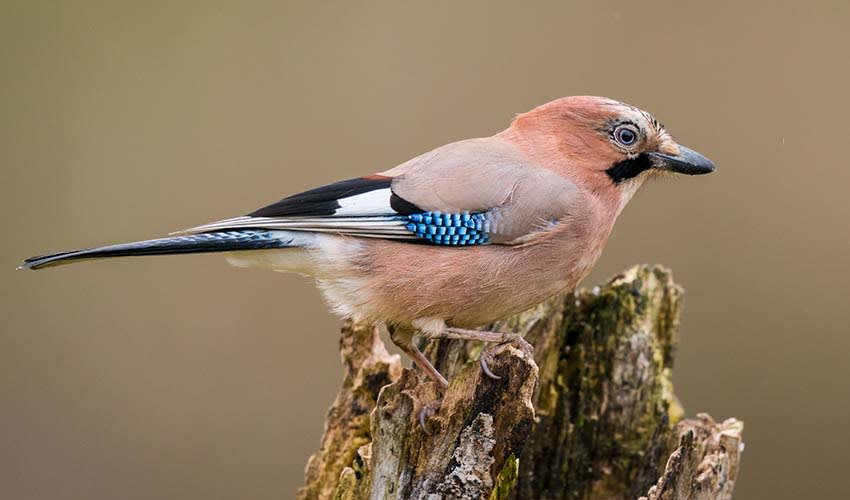


Eurasian jay
A smart, secretive, and useful woodland character with a big impact on the trees around it

