Lagostomus
Often been compared to a mix between a rabbit and a prairie dog
These animals belong to the chinchilla family (Chinchillidae), making them close relatives of the domestic chinchilla, though they differ dramatically in behavior and ecology. The only surviving species in this genus today is the plains vizcacha (Lagostomus maximus), a charismatic, social, and highly vocal rodent that dominates the open landscapes of the South American pampas.
Their bodies are covered in dense, silky fur, usually grayish or yellow-brown on the back and paler underneath, providing camouflage among dry grasses. They have large black eyes, long whiskers, and rounded ears that give them an alert, expressive appearance. Their hind legs are longer and stronger than their front ones, built for hopping and fast running, though they mostly move in a bounding gait similar to rabbits. One of their most distinctive features is their large, ever-growing incisors, adapted for gnawing roots and tough grasses. Males are significantly larger than females, and their massive skulls house powerful jaw muscles—traits that also set them apart from their chinchilla relatives.
Plains vizcachas are herbivorous, feeding mostly on grasses, roots, and seeds, and they have a strong preference for fresh vegetation. They often emerge in the evening or early morning to forage, and during the day, they stay in the safety of their burrows. One of their most charming and well-known traits is their vocal communication—vizcachas produce a wide range of sounds, including whistles, grunts, barks, and even loud screams. These calls serve to warn of danger, maintain social contact, and establish dominance. The colonies are often noisy places, filled with chatter and movement. Their expressive behavior and group living make them one of the most sociable rodents in South America.
Did you know?

Species in this genus
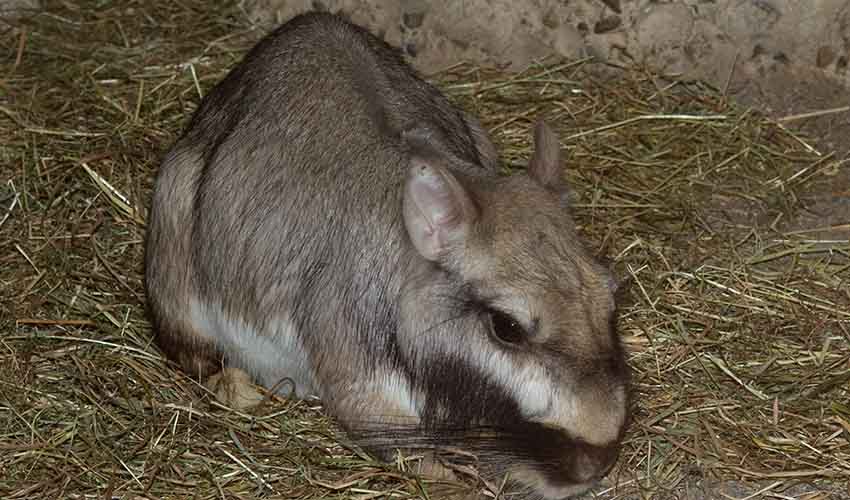


Plains viscacha
The prairie dogs of South America

