Lepus – Hares & jackrabbits
Consists of some of the largest Lagomorphs (order Lagomorpha), including the largest, the European hare
Contrary to common perception, lagomorphs are not rodents; they are a distinct order that includes rabbits, hares, and pikas. This genus is remarkable for its widespread distribution, with species found across most of North America, Europe, Asia, and Africa, adapting to a wide range of environments from arid deserts to frozen tundras.
Hares and jackrabbits are known for their remarkable reproductive strategies, a trait shared with other lagomorphs. Many species within this genus are capable of producing multiple large litters each year, a biological feature that allows them to maintain stable population sizes even in the face of predation and environmental challenges. However, it’s interesting to note that not all species follow this pattern; some breed only once per year, demonstrating the ecological and biological diversity within the genus.
As nocturnal herbivores, hares and jackrabbits feed primarily during the night on a variety of vegetation, including grasses and shrubs. This diet is meticulously chosen to meet their nutritional needs while minimizing the risk of predation. Their feeding behavior and dietary preferences play a crucial role in the ecosystems they inhabit, contributing to the control of vegetation growth and the cycling of nutrients.
One of the most fascinating aspects of Lepus biology is coprophagy, the consumption of their own fecal material. This behavior might seem unusual at first glance, but it serves a critical purpose by effectively doubling the amount of time food spends in the digestive tract. By consuming their soft, nutrient-rich feces, hares and jackrabbits are able to extract additional nutrients from their food, an adaptation that is especially important given the sometimes nutrient-poor nature of their diets.

Species in this genus


Hainan hare
Big ears don’t just hear well—they can help release heat, handy in warm, humid climates

Tehuantepec jackrabbit
Closely tied to the Isthmus of Tehuantepec—not a jackrabbit you’d expect to see all over the continent

Black jackrabbit
One of the few hares in the world restricted to an island

Broom hare
One of the few hare species restricted to a single mountain range

Corsican hare
Because of its rarity and elegance, it is sometimes called the “ghost of the Mediterranean scrub”

White-sided jackrabbit
Its range is shrinking due to agricultural expansion and overgrazing in Mexico
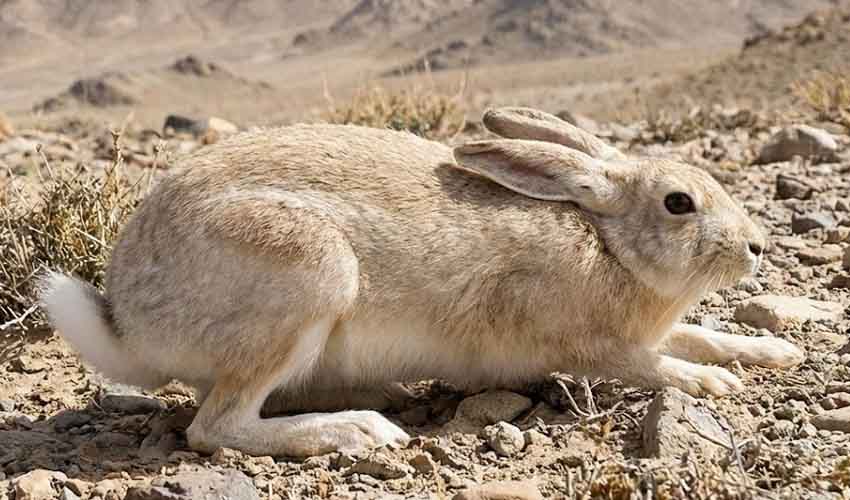
Yarkand hare
Thrives in dry regions near rivers and oases, where green patches are like life-saving islands
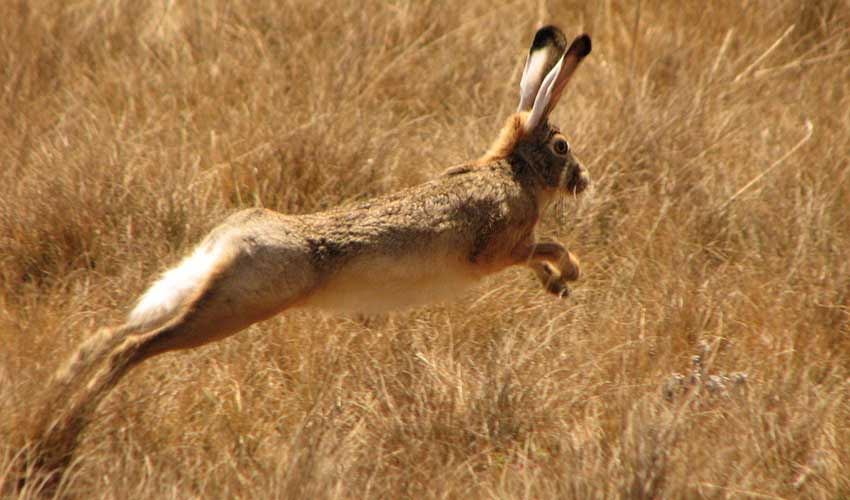
Abyssinian hare
Sandy, speckled fur is natural camouflage for dry grass, dusty soil, and scrubby ground

African savanna hare
A clever, athletic survivor, perfectly adapted to Africa’s open landscapes
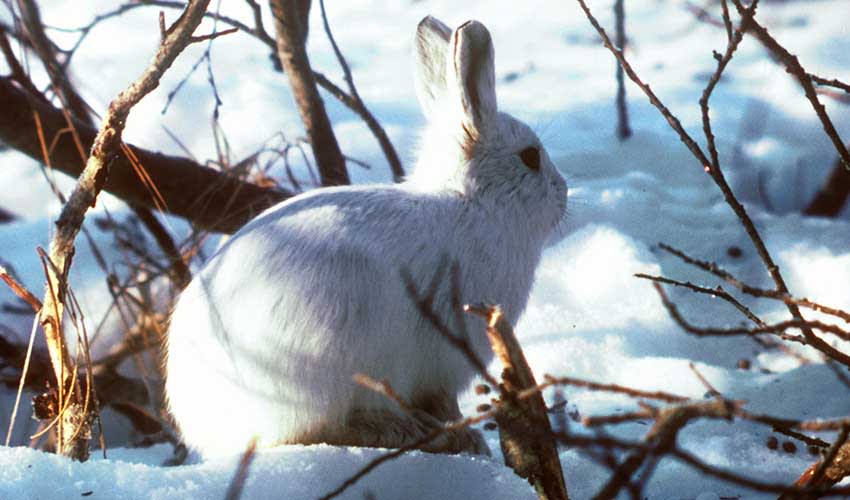
Alaskan hare
Biggest hare in North America
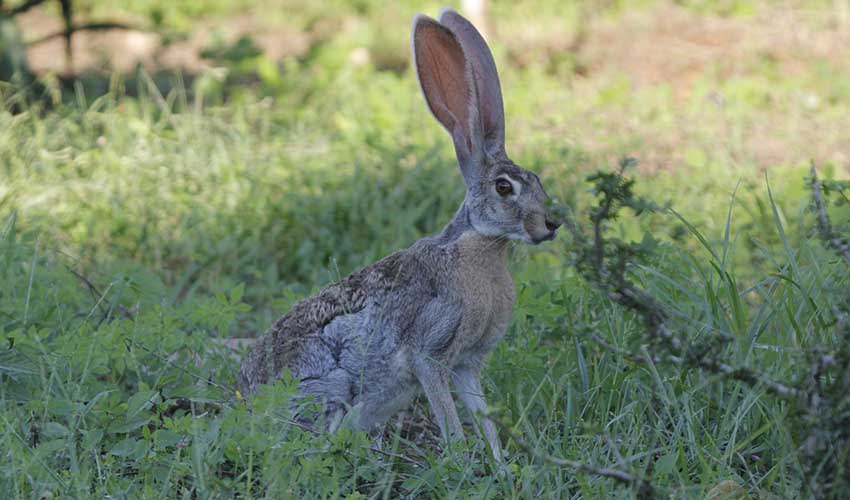
Antelope jackrabbit
Those huge ears help it dump body heat, which is super useful in hot, dry habitats

Arctic hare
Despite often being called an Artic Rabbit, it is a species of hare, not a rabbit

Black-tailed jackrabbit
Trick question, is a black-tailed jackrabbit a rabbit or a hare? The answer is a hare!

Burmese hare
Known for its “freezing” behavior—when threatened

Cape hare
Has large eyes that could cover a field of 360o to survey their surroundings before they take a nap

Cape scrub hare
With ears that can rotate nearly 180 degrees

Chinese hare
Their speckled “peppered” fur blends into dry grass and soil so well people can walk right past

Ethiopian highland hare
Often has dense, insulating fur that helps it handle cold winds and mountain temperatures
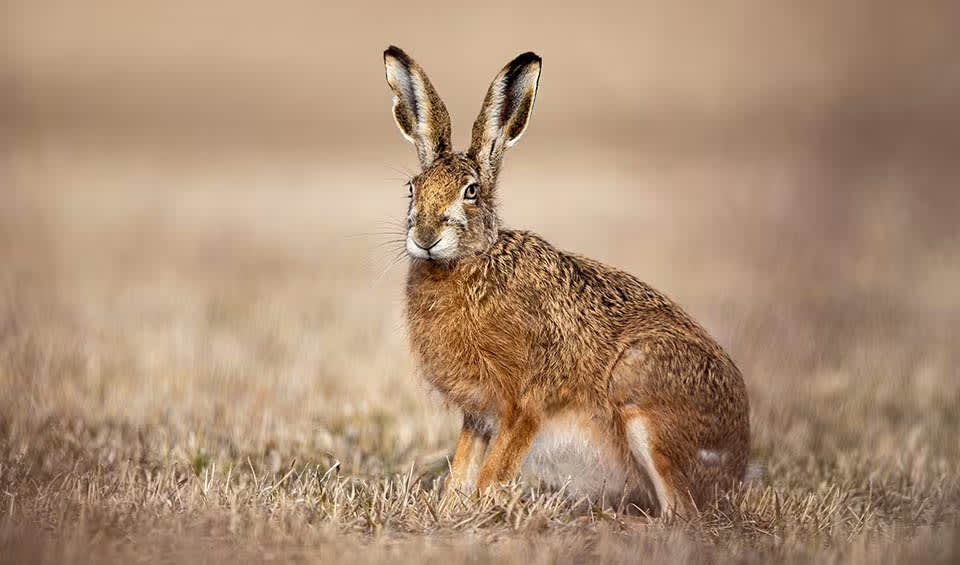
European hare
Unlike rabbits, they don’t live in burrows, instead, they make shallow nests in the grass called forms

Granada hare
A handy ID clue is the warm reddish tone on the outer legs, like rusty socks

Indian hare
When danger is near, it will freeze completely, blending into the ground

Japanese hare
In snowier regions, individuals can become much paler or nearly white in winter for camouflage

Korean hare
Usually don’t dig burrows; they rest in a shallow ground dip called a form
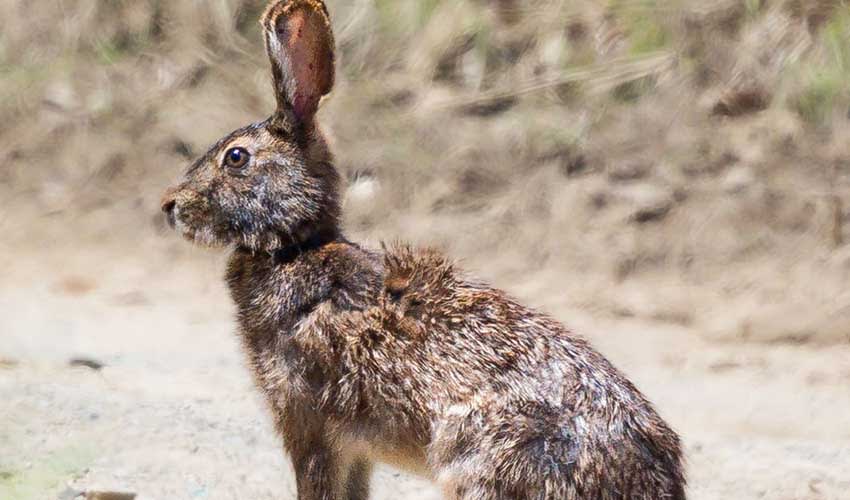
Manchurian hare
Its speckled brown-gray fur blends so well with leaf litter that it can look like part of the ground until it moves

Mountain hare
Can switch from winter white to summer grey – truly a nature’s savvy survivors!

Snowshoe hare
Climate change is creating “white hares on brown ground”

Tolai hare
One of the few hare species that can survive comfortably in desert regions, including the Gobi Desert

White-tailed jackrabbit
Can leap more than 5 meters (15 feet) in a single bound when startled

Woolly hare
One of the highest-dwelling lagomorphs, rivaled only by certain pika species in elevation

