Leucocarbo – Blue-eyed shags
Their “blue eyes” are actually rings of vividly colored skin surrounding the iris
A group of striking, cold-water cormorants that thrive along the windswept coasts and islands of the Southern Ocean — from Antarctica and the subantarctic islands to the southern tips of South America, New Zealand, and Australia. Known for their brilliant sapphire or turquoise eyes, these birds are among the most beautiful and hardy of all seabirds, perfectly adapted to some of the harshest environments on Earth. Their gleaming eyes, surrounded by vivid facial skin of blue, orange, or yellow, are set against glossy black-and-white plumage, giving them an unmistakable and almost regal appearance.
Blue-eyed shags are powerful divers and skilled marine hunters. They plunge beneath icy waters in search of fish, crustaceans, and squid, propelling themselves with strong, partially webbed feet and streamlined bodies. They can dive to depths of 60 meters (200 feet) and remain submerged for nearly a minute, navigating murky underwater landscapes with precision. After feeding, they often perch on rocks or cliffs with wings outstretched to dry — a characteristic behavior of cormorants. Their thick plumage provides insulation in freezing temperatures, yet it remains slightly permeable, which helps them dive efficiently by reducing buoyancy.
There are more than a dozen recognized species of Leucocarbo, including the imperial shag, Antarctic shag, king shag, Campbell Island shag, and Crozet shag, among others. Each species tends to be restricted to specific islands or coastal regions, often forming large, noisy breeding colonies on cliffs, rocky outcrops, or sea stacks. Nests are built from seaweed, grass, and mud, and are reused year after year, growing into impressive mounds over time.
Despite their resilience, many blue-eyed shag species are vulnerable or declining, largely because of their restricted ranges and sensitivity to environmental change. Introduced predators such as rats and cats have devastated some island colonies, while climate change and fishing pressures threaten their food sources.

Species in this genus


Chatham Islands shag
Despite belonging to the “blue-eyed shag” group, it actually has brown irises — proof that names can be deceiving!

Auckland Islands shag
Well adapted to cold, rough seas and strong coastal winds
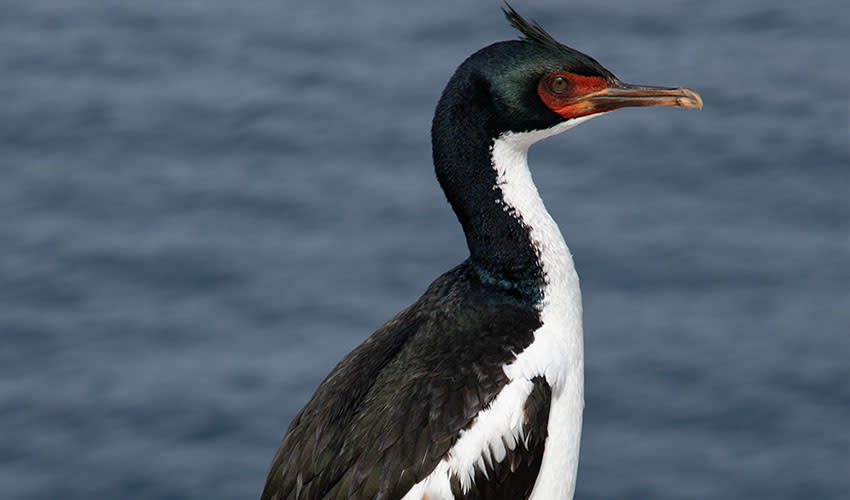
Bounty shag
Powerful swimmers and use their feet to “fly” underwater
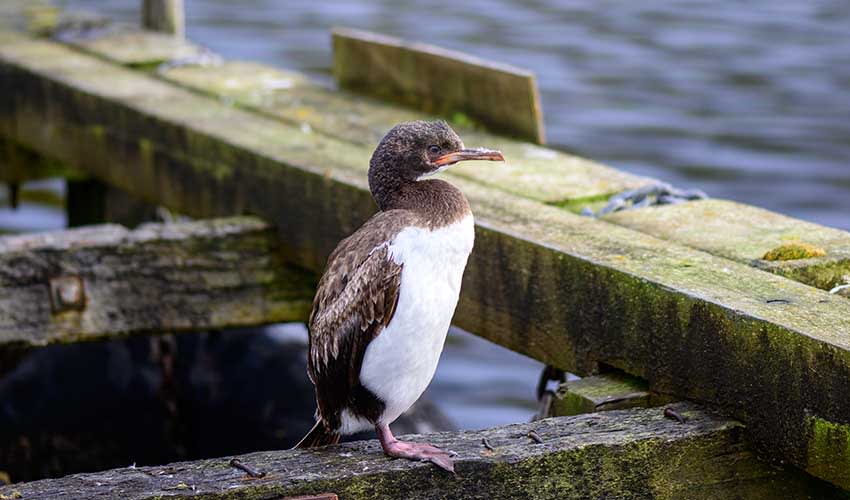
Campbell Island shag
Specially adapted to cold waters and constant strong winds

New Zealand king shag
One of the rarest shags in the world

Stewart Island shag
An excellent diver and can maneuver easily through kelp forests
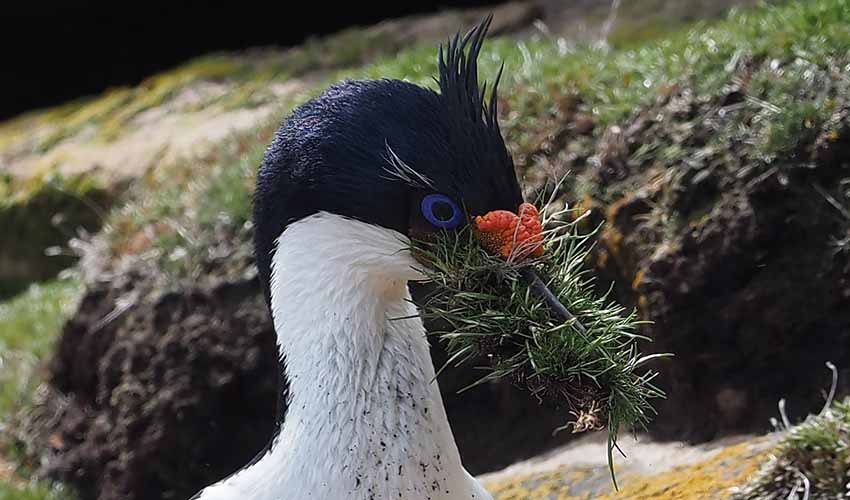
Imperial shag
Can dive deeper than many seals

