Molothrus – Cowbirds
Can lay an egg in less than 10 seconds, faster than most people can find a pen!
The notorious tricksters of the blackbird family — clever, adaptable, and famous (or infamous) for their brood-parasitic lifestyle. Native to the Americas, cowbirds are medium-sized songbirds with sleek bodies and strong beaks, often sporting glossy dark feathers. The group includes well-known species like the brown-headed cowbird, shiny cowbird, and bronzed cowbird, each with its own style, plumage, and habitat preferences. But across the genus, one trait reigns supreme: cowbirds don’t raise their own young. Instead, they lay eggs in other birds’ nests and let foster parents do the work — making them the avian world’s
original “leave-the-kids-at-daycare-and-never-come-back” strategists.
This unusual breeding strategy evolved alongside North American bison herds. Early cowbirds followed massive wandering herds across open plains, feeding on insects stirred up by hooves. Constant movement meant there was no time to build nests or raise chicks, so cowbirds developed a remarkable workaround: lay eggs in the nests of other species and outsource childcare. Today, they live in grasslands, farms, forest edges, wetlands, and even suburbs, thanks to their flexible habits and knack for taking advantage of human-modified landscapes.
When it comes to egg-laying, cowbirds are precise and relentless. A female may lay dozens of eggs each season, choosing nests of warblers, sparrows, finches, thrushes, and over 200 different host species. Their chicks typically hatch sooner and grow faster than their adopted nestmates, often monopolizing food or even pushing host chicks aside.
While this sounds harsh — and can indeed impact some threatened songbirds — brood parasitism is a naturally evolved survival strategy, and cowbirds are simply playing by the rules of evolutionary improvisation.
Despite their reputation, cowbirds are more than villains in a nature documentary. They are highly intelligent, social, and vocal songbirds, often forming foraging flocks and roosting together at night. Their calls and whistles are unique and sometimes beautifully melodic, adding personality to open habitats. And ecologically, they remind us that nature isn’t just gentle — it’s complex, competitive, and full of unexpected survival strategies.

Species in this genus
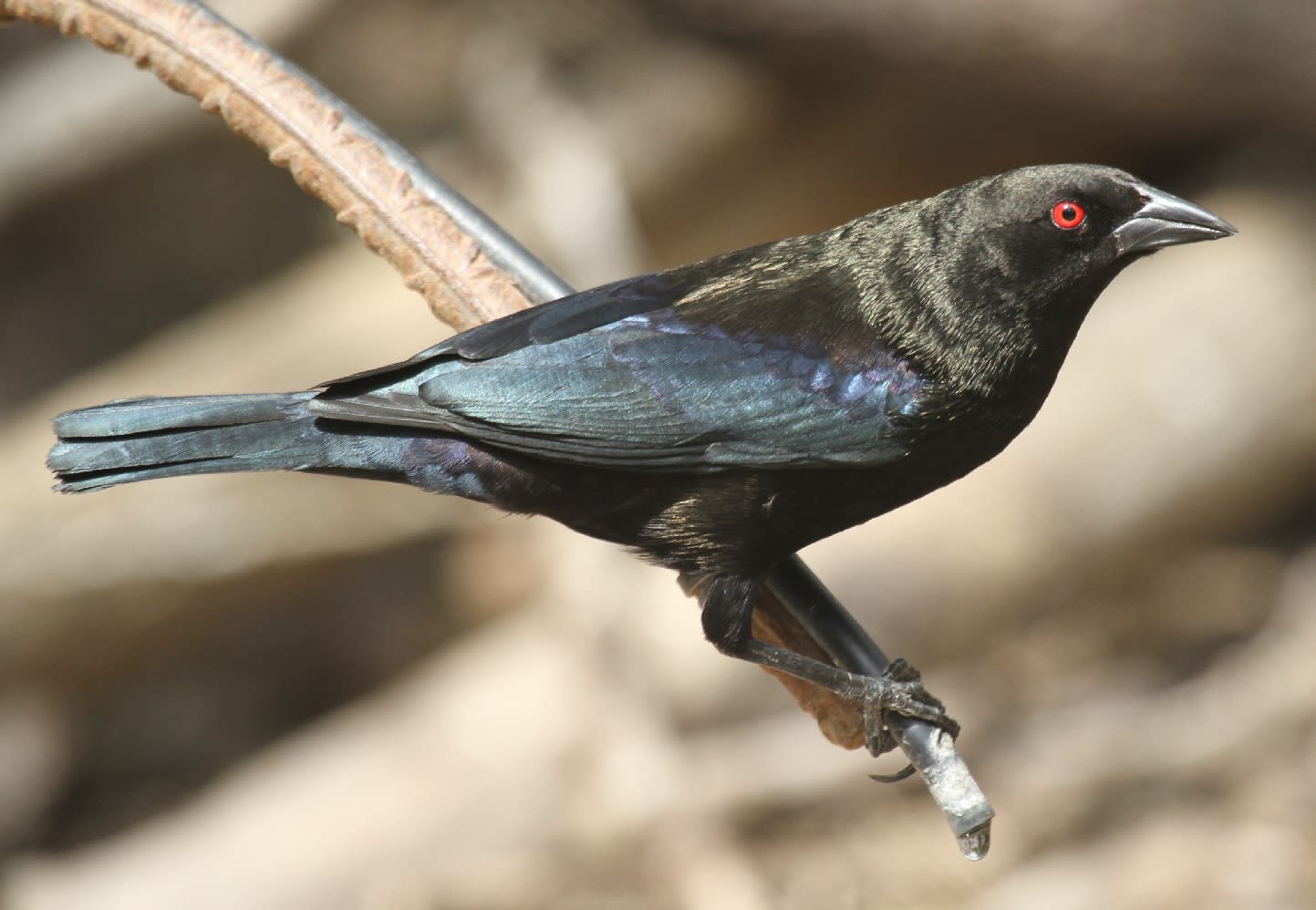


Bronzed cowbird
Watch them forage and you’ll see a funny, deliberate shuffle-strut walk

