Penelopides – Tarictic hornbills
These hornbills are basically named after their call
They’re relatively small hornbills with compact bodies, long tails and a ridged, banded bill topped by a low casque—a little “helmet” rather than the huge structures seen in bigger hornbills. Their common name “tarictic” comes from the sound of their call, which early observers wrote as ta-RIK-tik, so you can hear their name in the forest if you listen carefully. Most species share a similar colour pattern: males are creamy-white on the head and underparts with black wings and tail, while females are mostly black with a pale face and throat, except the Mindoro hornbill where both sexes are pale and look quite similar. That means you can often tell the boys and girls apart at a glance.
All Penelopides are island birds. Four species—the Luzon, Visayan, Mindanao and Mindoro hornbills—are found only in different parts of the Philippines, each tied to its own island group, while a fifth, the Sulawesi hornbill, lives on Sulawesi and nearby islands in Indonesia. They are forest specialists, spending most of their time in the mid and upper canopy of lowland and foothill rainforest, sometimes venturing into secondary growth or lone fruiting trees in farmland.
Fruit is their main food—especially figs and other soft, pulpy fruits—but they also snap up insects, small lizards and other tiny animals. By swallowing fruit whole and later dropping seeds in their droppings, they act as important seed dispersers, helping to keep island forests regenerating. At good fruiting trees, several pairs may gather, bouncing between branches and making the forest feel busy and alive.

Species in this genus


Mindoro hornbill
Philippine Republic Act 9147 mandates that these birds shall not be hunted, captured, or kept in captivity
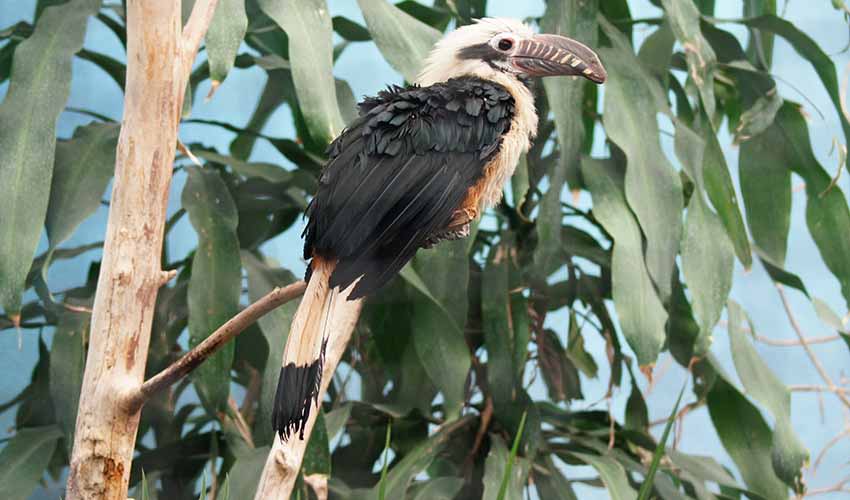
Visayan hornbill
Can sound surprisingly loud—people often notice the wing “whoomp” before they get a clear look

