


People often call it “Baldpate” because of the bright white stripe running from its forehead to the top of its head. The male stands out with a shiny green patch around its eyes and a pinkish-brown body that looks like it caught the colors of a sunset. Unlike many ducks that hide in the reeds, the American wigeon is easy to spot, with its rounded forehead and small blue-gray bill tipped in black. This bill is its main tool, working like a pair of shears to neatly graze grasses and aquatic plants.
What really makes the American wigeon stand out in a busy marsh is its outgoing personality and unique voice. Instead of the deep quacks of a mallard, this duck uses high-pitched, three-note whistles that sound like a squeaky toy or a far-off referee’s whistle. These calls are almost always heard, especially when flocks are on the move, filling the wetlands with their music. Wigeons are also known as the “bandits” of the pond. Since they do not dive for food, they often wait near diving birds like redheads or American coots. When a diver comes up with tasty plants, the wigeon quickly grabs some for itself, using its speed and cleverness to get a meal without diving.
A special feature of the American wigeon appears when it flies: a bright white patch on its upper wings that acts as a clear signal. In the air, these ducks are fast and unpredictable, often flying in tight groups that make the white patches flash against the sky. This white marking helps the flock stay together during long migrations, which can take them from Alaska to Central America. Wigeons are also tough birds, often being the first to head north in spring and the last to leave in fall, as long as there is open water and enough plants to eat.
Distribution
 Anguilla
 Antigua & Barbuda
 Aruba
Aruba Bahamas
 Barbados
 Belgium
 Belize
 Bermuda
 Bonaire Sint Eustatius And Saba
 British Virgin Is.
 Canada
 Cayman Islands
 Colombia
 Costa Rica
 Cuba
Cuba Curaçao
 Czechia
 Denmark
 Dominica
 Dominican Republic
 El Salvador
 Faroe Islands
 Finland
 France
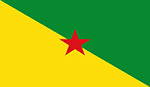 French Guiana
 Greenland
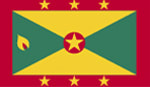 Grenada
Guadeloupe
Grenada
Guadeloupe Guam
Guam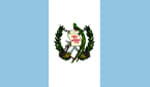 Guatemala
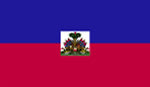 Haiti
Haiti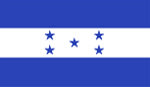 Honduras
 Iceland
 Ireland
 Jamaica
 Japan
Japan Korea
Korea Lithuania
Martinique
Lithuania
Martinique Mexico
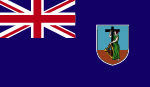 Montserrat
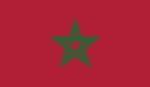 Morocco
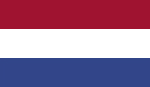 Netherlands
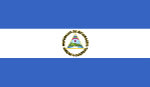 Nicaragua
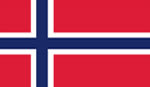 Norway
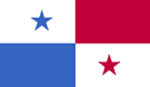 Panama
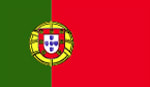 Portugal
 Puerto Rico
 Russia
 Saint Barthélemy
 Saint Lucia
 Saint Martin
 Saint Pierre
 Saint Vincent
 Senegal
 Sint Maarten
 Spain
Spain St. Kitts & Nevis
 Sweden
 Taiwan
 Trinidad & Tobago
 Turks & Caicos
 US Virgin Islands
 United Kingdom
 United States
 Venezuela
Anything we've missed?
Help us improve this page by suggesting edits. Glory never dies!
Suggest an editGet to know me
Terrestrial / Aquatic
Altricial / Precocial
Polygamous / Monogamous
Dimorphic (size) / Monomorphic
Active: Diurnal / Nocturnal
Social behavior: Solitary / Pack / Flock
Diet: Carnivore / Herbivore / Omnivore / Piscivorous / Insectivore
Migratory: Yes / No
Domesticated: Yes / No
Dangerous: Yes / No




