


While most gulls are synonymous with the salty air of the ocean, this species is a true landlubber for much of the year. It breeds in the vast, grassy wetlands of central North America—thousands of miles from any coastline. Physically, it looks quite similar to the black-headed or laughing gull, but it has a few “luxury” upgrades: its black hood is exceptionally dark and full, and its white eye-crescents are so thick and bold that the bird looks like it’s wearing a pair of heavy, white-rimmed glasses.
What technically separates Franklin’s gull from its look-alikes is its unique wing pattern. While most gulls have a simple black-and-white tip, Franklin’s has a prominent white band that separates the grey part of the wing from the black tips. This “white window” is visible even from a distance and is a key marker for birders. Additionally, it is one of the only gulls in the world that undergoes two complete molts every year. This means it replaces every single feather on its body twice—once in the spring to look sharp for breeding, and once in the fall to prepare for its grueling journey south.
The “humanized” side of Franklin’s gull is its status as a world-class globetrotter. It holds the record for one of the longest migrations of any gull. After spending its summer in the American and Canadian prairies, it flies across the Gulf of Mexico, over the Andes mountains, and all the way down to the Pacific coast of South America (Chile and Peru). They are the “snowbirds” of the avian world, traveling over 5,000 miles twice a year just to ensure they never have to experience a true winter.
Distribution
 Argentina
 Aruba
Aruba Australia
 Barbados
 Belgium
 Belize
 Bermuda
 Bolivia
 Brazil
 Canada
 Chile
Chile Colombia
 Costa Rica
 Cuba
Cuba Dominican Republic
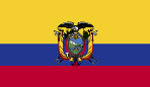 Ecuador
 El Salvador
 Falkland Islands
 Faroe Islands
 France
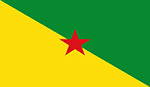 French Guiana
 French Polynesia
 Gambia
 Germany
Guadeloupe
Germany
Guadeloupe Guatemala
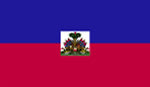 Haiti
Haiti Honduras
 Iceland
 Ireland
 Japan
Japan Kiribati
 Marshall Islands
 Mexico
 Micronesia
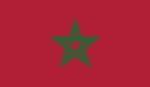 Morocco
 Mozambique
 Namibia
 Netherlands
 Nicaragua
 Norway
 Panama
 Paraguay
 Peru
Peru Portugal
 Puerto Rico
 Saint Helena
 Saint Pierre
 Senegal
 South Africa
 South Georgia
 Spain
Spain Sweden
 Trinidad & Tobago
 UAE
UAE US Minor Is.
 United Kingdom
 United States
 Venezuela
 Zambia
Anything we've missed?
Help us improve this page by suggesting edits. Glory never dies!
Suggest an editGet to know me
Terrestrial / Aquatic
Altricial / Precocial
Polygamous / Monogamous
Dimorphic (size) / Monomorphic
Active: Diurnal / Nocturnal
Social behavior: Solitary / Pack / Flock
Diet: Carnivore / Herbivore / Omnivore / Piscivorous / Insectivore
Migratory: Yes / No
Domesticated: Yes / No
Dangerous: Yes / No




