


A small and charming parrot native to parts of South America, especially the forested and wooded regions of northern Argentina, Paraguay, Bolivia, and southern Brazil. Though modest in size, it has a distinctive appearance that makes it easy to recognize. Its body is mostly green, helping it blend into foliage, but its wings display clear golden-yellow patches that become especially visible in flight. These bright wing markings give the bird its name and add a flash of color that contrasts beautifully with its otherwise subtle plumage. Its tail is long and tapered, and its beak is pale and neatly curved, giving the bird a delicate yet confident look.
Unlike parrots that are vividly colored from head to tail, this species keeps most of its color hidden until it moves. When perched, it can be surprisingly hard to spot among leaves and branches. When it takes off, the golden wings suddenly appear, making flight both functional and visually striking. This trait likely helps the birds recognize one another while still staying relatively hidden from predators when resting.
The golden-winged parakeet is highly social and active. It is most often seen in pairs or small flocks, flying together in tight formation and communicating with sharp, high-pitched calls. These calls are not overly loud compared to larger parrots but are constant enough to keep flock members connected. The birds are energetic climbers and flyers, often moving quickly through trees, shrubs, and forest edges. Their playful nature is especially noticeable when they chase one another or investigate new feeding spots.
In terms of diet, the golden-winged parakeet is adaptable and opportunistic. It feeds on seeds, fruits, berries, buds, and blossoms, and it is not uncommon to see it foraging in both trees and low vegetation. Its strong beak allows it to handle a wide range of food items despite its small size. Because it feeds on fruits and seeds and moves frequently between areas, it also helps spread plant seeds, contributing quietly to the health of its environment.
Distribution
 Bolivia
 Brazil
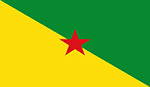 French Guiana
 Guyana
 Suriname
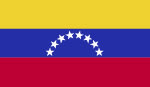 Venezuela
Anything we've missed?
Help us improve this page by suggesting edits. Glory never dies!
Suggest an editGet to know me
Terrestrial / Aquatic
Altricial / Precocial
Polygamous / Monogamous
Dimorphic (size) / Monomorphic
Active: Diurnal / Nocturnal
Social behavior: Solitary / Pack / Flock
Diet: Carnivore / Nectarivore / Omnivore / Piscivorous / Insectivore
Migratory: Yes / No
Domesticated: Yes / No
Dangerous: Yes / No




