


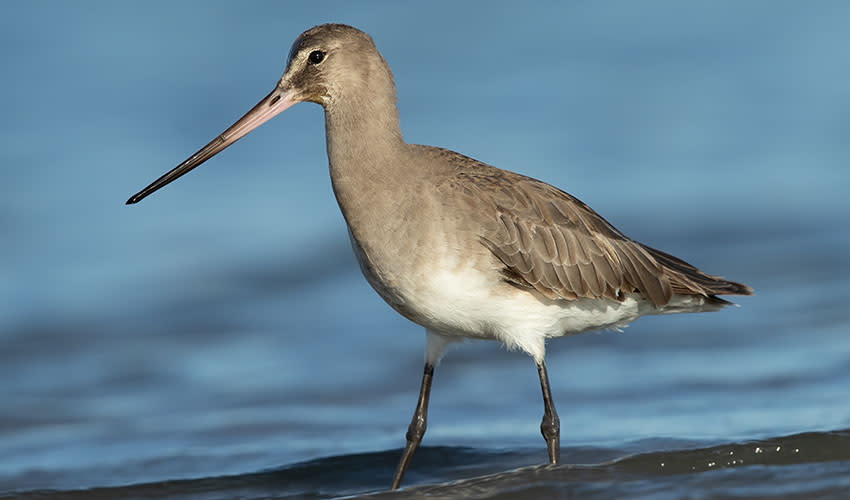
They are famous for being incredibly elusive, often hiding in plain sight among larger flocks of other birds. While they might look like a typical sandpiper at a distance, they have a very distinct, long bill that is slightly upcurved, almost like it’s smiling. During the summer, they transform from a plain grey-brown into a stunning deep chestnut-red across their chest and belly. What truly separates them from their cousins, like the Marbled Godwit, is the dramatic “racing stripe” on their tail: a bold black band contrasted against a bright white rump, which is only visible when they take flight.
These birds are among the most extreme nonstop flyers on Earth. When they leave their breeding grounds in the Arctic, they don’t just “hop” down the coast; they often take off and fly for several days straight, crossing the entire Atlantic Ocean or the Amazon rainforest without a single break for food or sleep. They are biological marvels, capable of shrinking their internal organs and expanding their breast muscles to fuel these thousands of miles of non-stop travel. By the time they reach the southern tip of South America, they have essentially performed the avian equivalent of running several marathons back-to-back.
A “cool” bit of trivia that sets them apart is their unique relationship with the wind. Because their journey is so long, they have become expert meteorologists. They will wait for days on the coast of Canada or Alaska, sensing changes in barometric pressure. They are essentially waiting for a “tail tube”—a specific weather pattern that provides a massive gust of wind to push them south. If the wind isn’t perfect, they won’t leave. This precision is why they were so hard for scientists to track for years; they would suddenly vanish overnight when the weather turned, appearing thousands of miles away just a few days later.
Distribution
 Anguilla
 Antigua & Barbuda
 Argentina
 Aruba
Aruba Australia
 Bahamas
 Barbados
 Belize
 Bermuda
 Bolivia
 Bonaire Sint Eustatius And Saba
 Brazil
 British Virgin Is.
 Canada
 Cayman Islands
 Chile
Chile Colombia
 Costa Rica
 Cuba
Cuba Curaçao
 Denmark
 Dominica
 Dominican Republic
 Ecuador
 El Salvador
 Falkland Islands
 Fiji
Fiji France
 French Guiana
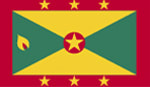 Grenada
Guadeloupe
Grenada
Guadeloupe Guatemala
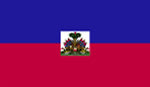 Haiti
Haiti Honduras
 Marshall Islands
Martinique
Marshall Islands
Martinique Mexico
 Montserrat
 New Zealand
 Nicaragua
 Panama
 Paraguay
 Peru
Peru Puerto Rico
 Saint Barthélemy
 Saint Lucia
 Saint Martin
 Saint Pierre
 Saint Vincent
 Sint Maarten
 South Africa
 St. Kitts & Nevis
 Suriname
 Trinidad & Tobago
 Turks & Caicos
 US Virgin Islands
 United Kingdom
 United States
 Uruguay
 Venezuela
Anything we've missed?
Help us improve this page by suggesting edits. Glory never dies!
Suggest an editGet to know me
Terrestrial / Aquatic
Altricial / Precocial
Polygamous / Monogamous
Dimorphic (size) / Monomorphic
Active: Diurnal / Nocturnal
Social behavior: Solitary / Pack / Flock
Diet: Carnivore / Herbivore / Omnivore / Piscivorous / Insectivore
Migratory: Yes / No
Domesticated: Yes / No
Dangerous: Yes / No




