


Leach’s storm petrel, known for its affinity for the open ocean, is a remarkable seabird that spends the majority of its life riding the waves and exploring the vast expanses of the Atlantic and Pacific Oceans. Named after the British zoologist William Elford Leach, these agile birds are members of the Hydrobatidae family, aptly named for their ability to “walk on water” as they glide effortlessly over the ocean’s surface.
Breeding colonies of Leach’s storm petrels are typically found on remote and inaccessible islands scattered throughout the Atlantic and Pacific Oceans. These islands provide the perfect sanctuary for nesting, with rocky outcrops, cliffs, and crevices offering shelter and protection from predators. Storms and strong winds often force these intrepid seabirds to seek refuge in inland waters, where they may be temporarily grounded until the weather improves.
During the breeding season, Leach’s storm petrels engage in intricate courtship rituals and select secluded spots for nesting, such as rocky ledges or burrows dug into the soil. A single egg is laid during each breeding attempt, and both parents share the responsibility of incubating the egg and caring for the chick once it hatches. Their vocalizations, consisting of distinct high-pitched notes, play a crucial role in communication within the colony and during courtship displays.
In their quest for food, Leach’s storm petrels exhibit remarkable agility and precision, employing a variety of hunting techniques to capture their prey. Rather than waiting patiently for fish to surface, these adept seabirds hover or skim low over the water, using their keen eyesight and acute sense of hearing to detect the presence of small fish, crustaceans, and other marine organisms beneath the surface.
Distribution
 Algeria
 Angola
 Anguilla
 Antarctica
 Antigua & Barbuda
 Argentina
 Australia
 Austria
 Bahamas
 Barbados
 Belgium
 Belize
 Benin
Benin Bermuda
 Bonaire Sint Eustatius And Saba
 Brazil
 British Virgin Is.
 Cameroon
 Canada
 Cape Verde
 Cayman Islands
 China
China Colombia
 Congo-Brazzaville
 Costa Rica
 Cuba
Cuba Curaçao
 Côte D’ivoire
 DR Congo (Kinshasa)
 Denmark
 Dominica
 Dominican Republic
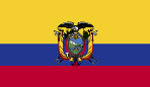 Ecuador
 Egypt
Egypt El Salvador
 Equatorial Guinea
 Estonia
 Faroe Islands
 Finland
 France
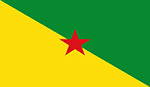 French Guiana
 French Polynesia
 French Southern T.
 Gabon
Gabon Gambia
 Germany
 Ghana
Ghana Gibraltar
 Greenland
 Grenada
Guadeloupe
Grenada
Guadeloupe Guam
Guam Guatemala
 Guinea-Bissau
 Guinea
 Guyana
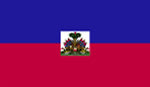 Haiti
Haiti Honduras
 Iceland
 Ireland
 Israel
 Italy
Italy Jamaica
 Japan
Japan Kenya
Kenya Kiribati
 Latvia
 Lebanon
 Liberia
 Luxembourg
 Maldives
 Malta
Malta Marshall Islands
Martinique
Marshall Islands
Martinique Mauritania
 Mexico
 Micronesia
 Montserrat
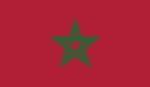 Morocco
 Namibia
 Nauru
Nauru Netherlands
 New Zealand
 Nicaragua
 Nigeria
 Nort. Mariana Is.
 Norway
 Panama
 Peru
Peru Poland
 Portugal
 Puerto Rico
 Russia
 Saint Helena
 Saint Lucia
 Saint Martin
 Saint Pierre
 Saint Vincent
 Senegal
 Seychelles
 Sierra Leone
 Sint Maarten
 South Africa
 Spain
Spain St. Kitts & Nevis
 Sudan
Sudan Suriname
 Sweden
 Switzerland
 São Tomé & Príncipe
 Togo
Togo Trinidad & Tobago
 Turks & Caicos
 Tuvalu
 UAE
UAE US Minor Is.
 US Virgin Islands
 United Kingdom
 United States
 Uruguay
 Venezuela
Anything we've missed?
Help us improve this page by suggesting edits. Glory never dies!
Suggest an editGet to know me
Terrestrial / Aquatic
Altricial / Precocial
Polygamous / Monogamous
Dimorphic (size) / Monomorphic
Active: Diurnal / Nocturnal
Social behavior: Solitary / Pack / Herd / Flock
Diet: Carnivore / Herbivore / Omnivore / Piscivorous / Insectivore
Migratory: Yes / No
Domesticated: Yes / No
Dangerous: Yes / No




