


A species that paints a striking picture against the landscape of its habitat with its vibrant pink and crimson plumage and stilt-like legs. As the smallest species in the flamingo family, Lesser Flamingos exhibit a delicate beauty, but their resilience and adaptability to some of the most challenging environments are truly remarkable.
Lesser Flamingos prefer habitats with high alkalinity, such as lagoons and salty lakes, where they can feed on their primary diet of algae and diatoms that thrive in these conditions. The high salinity of these habitats is inhospitable to most predators, providing the flamingos with a safe breeding ground. Males, slightly larger than females, play a role in the selection of nesting sites and participate in nest building, which is done by mounding up mud to keep their eggs above the caustic water.
The mating rituals of the Lesser Flamingo are a sight to behold. Courtship is a year-round spectacle where birds gather in groups, ranging from a handful to several thousand, and engage in synchronized displays. They perform a march, where they stride together in one direction, then switch and march the opposite way, all while honking, head-flagging, and flapping their wings in a coordinated dance that reinforces social bonds and stimulates breeding readiness.
One of the most spectacular gatherings of Lesser Flamingos occurs in Tanzania, where they congregate in the hundreds of thousands, sometimes even millions, at lakes such as Lake Natron. This congregation is not only one of the largest of any flamingo species in the world but also one of the most breathtaking wildlife spectacles on the planet.
Distribution
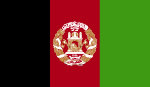 Afghanistan
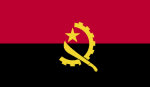 Angola
 Botswana
 Burundi
 Cameroon
 Chad
Chad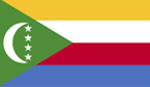 Comoros
 DR Congo (Kinshasa)
 Djibouti
 Egypt
Egypt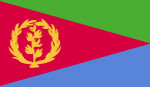 Eritrea
 Eswatini
 Ethiopia
 Gabon
Gabon Gambia
 Ghana
Ghana Guinea-Bissau
 Guinea
 India
India Iran
Iran Kenya
Kenya Lesotho
 Madagascar
 Malawi
 Mauritania
 Mauritius
 Morocco
 Mozambique
 Namibia
 Niger
Niger Nigeria
 Oman
Oman Pakistan
 Rwanda
 Réunion
 Saudi Arabia
 Senegal
 Sierra Leone
 Somalia
 South Africa
 Spain
Spain Sri Lanka
 Sudan
Sudan São Tomé & Príncipe
 Tanzania
 UAE
UAE Uganda
 Yemen
Yemen Zambia
 Zimbabwe
Anything we've missed?
Help us improve this page by suggesting edits. Glory never dies!
Suggest an editGet to know me
Terrestrial / Aquatic
Altricial / Precocial
Polygamous / Monogamous
Dimorphic (size) / Monomorphic
Active: Diurnal / Nocturnal
Social behavior: Solitary / Pack / Herd / Flock
Diet: Carnivore / Herbivore / Omnivore / Piscivorous / Insectivore
Migratory: Yes / No
Domesticated: Yes / No
Dangerous: Yes / No





