


As its name suggests, it is the smallest gull in the world, weighing about as much as a stick of butter. It is so petite and agile that from a distance, people often mistake it for a large swallow or a tern. While it shares the “black hood” look with the Chroicocephalus genus, it is actually in a genus of its own (Hydrocoloeus). What technically sets it apart is its inky-black underwing. While most gulls have white or pale grey undersides to their wings, the little gull sports a dramatic, velvety charcoal-black lining that creates a stunning “flash” every time it beats its wings.
What truly separates the little gull from its relatives is its insect-hunting prowess. While larger gulls are scavenging for fish or scraps, the little gull acts like a giant flycatcher. During the summer, they frequent marshes and lakes where they perform incredible “snap-turns” in mid-air to snatch dragonflies, midges, and mayflies right out of the sky. They have a very “humanized” way of foraging on the water, too—they often “patter” their tiny feet on the surface to stir up tiny crustaceans, looking like they are trying to walk on water while delicately picking up their meal.
In terms of personality, the little gull is a bit of a social butterfly. They rarely nest in massive, single-species colonies like kittiwakes. Instead, they prefer to “piggyback” on the colonies of other birds, like black-headed gulls or Arctic terns. They use the larger, more aggressive birds as a “security detail”; when a predator approaches, the bigger gulls do the heavy fighting, while the little gull stays safe in the middle of the crowd. It’s a brilliant “work smarter, not harder” strategy for such a tiny bird.
Distribution
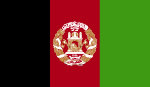 Afghanistan
 Albania
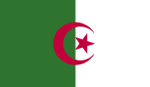 Algeria
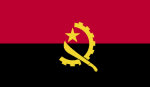 Angola
 Austria
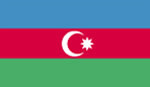 Azerbaijan
 Bahrain
 Barbados
 Belarus
 Belgium
 Bermuda
 Bosnia And Herz.
 Bulgaria
 Cameroon
 Canada
 China
China Colombia
 Croatia
 Cyprus
 Czechia
 Denmark
 Egypt
Egypt Estonia
 Faroe Islands
 Finland
 France
 Gabon
Gabon Gambia
 Germany
 Ghana
Ghana Gibraltar
 Greece
 Greenland
 Guinea-Bissau
 Hong Kong
 Hungary
 Iceland
 India
India Iran
Iran Iraq
Iraq Ireland
 Israel
 Italy
Italy Japan
Japan Jordan
 Kazakhstan
 Kenya
Kenya Kuwait
 Kyrgyzstan
 Latvia
 Lebanon
 Libya
Libya Liechtenstein
 Lithuania
 Luxembourg
 Malta
Malta Mauritania
 Mexico
 Monaco
 Mongolia
 Montenegro
 Morocco
 Netherlands
 Nigeria
 North Macedonia
 Norway
 Poland
 Portugal
 Puerto Rico
 Romania
 Russia
 Saint Pierre
 Saudi Arabia
 Senegal
 Serbia
 Sierra Leone
 Slovakia
 Slovenia
 Spain
Spain Sudan
Sudan Sweden
 Switzerland
 Syria
Syria Tunisia
 Turkmenistan
 Turkey
 UAE
UAE Ukraine
 United Kingdom
 United States
 Uzbekistan
Anything we've missed?
Help us improve this page by suggesting edits. Glory never dies!
Suggest an editGet to know me
Terrestrial / Aquatic
Altricial / Precocial
Polygamous / Monogamous
Dimorphic (size) / Monomorphic
Active: Diurnal / Nocturnal
Social behavior: Solitary / Pack / Flock
Diet: Carnivore / Herbivore / Omnivore / Piscivorous / Insectivore
Migratory: Yes / No
Domesticated: Yes / No
Dangerous: Yes / No




