


The Long fringe-fingered lizard (Acanthodactylus longipes) is a sleek and speedy reptile superbly adapted to life on the vast, sun-scorched sands of the Sahara Desert and surrounding regions of North Africa. Belonging to the genus Acanthodactylus—the fringe-fingered lizards—this species is a master of movement across loose dunes and gravel plains. With its long limbs, specialized toes, and sharp reflexes, the Long fringe-fingered lizard is a desert athlete built for survival in one of the harshest habitats on Earth.
Physically, Acanthodactylus longipes is a slender, medium-sized lizard. Its body is built for speed and agility, with elongated limbs and long toes fringed with spiny scales—a hallmark of the genus. These spiny “fringes” act like miniature snowshoes, allowing the lizard to run effortlessly across loose sand without sinking. The head is narrow and pointed, with keen eyes adapted to spotting movement in the bright desert sunlight. Its coloration is usually pale sandy brown, gray, or yellowish, patterned with faint spots or lines that mimic the hues of desert sand and gravel. This camouflage is vital for avoiding predators and ambushing prey in the open landscape.
The Long fringe-fingered lizard is a quintessential desert dweller, found across Algeria, Libya, Egypt, Mauritania, and northern Niger, as well as parts of the Sahel region. It inhabits sand dunes, gravel plains, and dry wadis, where temperatures can soar past 45°C (113°F) during the day. Despite this extreme heat, it remains active during the cooler parts of the morning and late afternoon, spending the hottest hours of midday resting in burrows or shaded depressions. Its long legs and fringed toes are not only useful for running but also for digging shallow shelters to escape the intense sun or cold desert nights. When startled, this lizard can sprint rapidly across the sand, sometimes lifting its front body slightly off the ground—a behavior that helps reduce friction and overheating.
Distribution
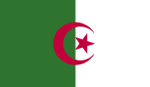 Algeria
 Chad
Chad Egypt
Egypt Libya
Libya Mali
Mali Mauritania
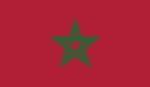 Morocco
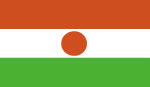 Niger
Niger Senegal
 Sudan
Sudan Tunisia
Anything we've missed?
Help us improve this page by suggesting edits. Glory never dies!
Suggest an editGet to know me
Terrestrial / Aquatic
Altricial / Precocial
Polygamous / Monogamous
Dimorphic (size) / Monomorphic
Active: Diurnal / Nocturnal
Social behavior: Solitary / Pack / Herd
Diet: Carnivore / Herbivore / Omnivore / Piscivorous / Insectivore
Migratory: Yes / No
Domesticated: Yes / No
Dangerous: Yes / No




