


The Peregrine falcon stands as a testament to the awe-inspiring capabilities of nature’s avian predators. Renowned as the fastest bird in the world and the animal kingdom’s swiftest member, the Peregrine falcon commands attention with its remarkable speed, agility, and hunting prowess.
Distinguished by its sleek and aerodynamic physique, the Peregrine falcon cuts a striking figure in the sky with its blue-grey back, barred white underparts, and distinctive black head. Comparable in size to a crow, this formidable predator possesses a combination of physical attributes and behavioral adaptations that make it a formidable hunter and a revered figure in the realm of falconry.
One of the Peregrine falcon’s most remarkable features is its unparalleled speed, which it achieves during breathtaking stoops or high-speed dives aimed at capturing prey. With velocities reaching over 240 miles per hour (386 kilometers per hour), the Peregrine falcon can outpace even the fastest sports cars, making it a true marvel of the natural world.
Despite its exceptional hunting abilities, the Peregrine falcon faced a severe threat to its survival in the mid-twentieth century due to widespread pesticide poisoning, particularly in eastern North America. The devastating impact of pesticides, such as DDT, nearly drove these magnificent birds to the brink of extinction, highlighting the profound influence of human activities on fragile ecosystems.
Distribution
 Afghanistan
 Albania
 Algeria
 Andorra
 Angola
 Anguilla
 Antigua & Barbuda
 Argentina
 Armenia
 Aruba
Aruba Australia
 Austria
 Azerbaijan
 Bahamas
 Bahrain
 Bangladesh
 Barbados
 Belarus
 Belgium
 Belize
 Benin
Benin Bermuda
 Bhutan
 Bolivia
 Bonaire Sint Eustatius And Saba
 Bosnia And Herz.
 Botswana
 Brazil
 British Virgin Is.
 Brunei
 Bulgaria
 Burkina Faso
 Burundi
 Cambodia
 Cameroon
 Canada
 Cape Verde
 Cayman Islands
 Central Af. Rep.
 Chad
Chad Chile
Chile China
China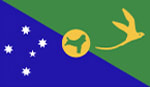 Christmas Island
 Colombia
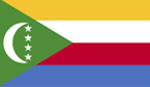 Comoros
 Congo-Brazzaville
 Costa Rica
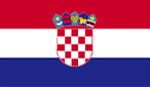 Croatia
 Cuba
Cuba Curaçao
 Cyprus
 Czechia
 Côte D’ivoire
 DR Congo (Kinshasa)
 Denmark
 Djibouti
 Dominica
 Dominican Republic
 East Timor
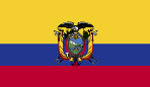 Ecuador
 Egypt
Egypt El Salvador
 Equatorial Guinea
 Eritrea
 Estonia
 Eswatini
 Ethiopia
 Falkland Islands
 Faroe Islands
 Fiji
Fiji Finland
 France
 French Guiana
 Gabon
Gabon Gambia
 Georgia
 Germany
 Ghana
Ghana Gibraltar
 Greece
 Greenland
 Grenada
Guadeloupe
Grenada
Guadeloupe Guam
Guam Guatemala
 Guinea-Bissau
 Guinea
 Guyana
 Haiti
Haiti Honduras
 Hong Kong
 Hungary
 Iceland
 India
India Indonesia
 Iran
Iran Iraq
Iraq Ireland
 Israel
 Italy
Italy Jamaica
 Japan
Japan Jordan
 Kazakhstan
 Kenya
Kenya Korea
Korea Kuwait
 Kyrgyzstan
 Laos
Laos Latvia
 Lebanon
 Lesotho
 Liberia
 Libya
Libya Liechtenstein
 Lithuania
 Luxembourg
 Macao
Macao Madagascar
 Malawi
 Malaysia
 Maldives
 Mali
Mali Malta
Martinique
Malta
Martinique Mauritania
 Mauritius
Mayotte
Mauritius
Mayotte Mexico
 Micronesia
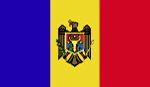 Moldova
 Mongolia
 Montenegro
 Montserrat
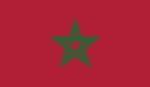 Morocco
 Mozambique
 Myanmar
 Namibia
 Nepal
Nepal Netherlands
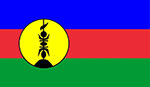 New Caledonia
 Nicaragua
 Niger
Niger Nigeria
 Nort. Mariana Is.
 North Korea
 North Macedonia
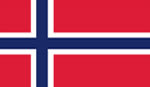 Norway
 Oman
Oman Pakistan
 Palau
Palau Panama
 Papua New Guinea
 Paraguay
 Peru
Peru Philippines
 Poland
 Portugal
 Puerto Rico
 Qatar
Qatar Romania
 Russia
 Rwanda
 Saint Barthélemy
 Saint Lucia
 Saint Martin
 Saint Pierre
 Saint Vincent
 Samoa
Samoa Saudi Arabia
 Senegal
 Serbia
 Seychelles
 Sierra Leone
 Singapore
 Sint Maarten
 Slovakia
 Slovenia
 Solomon Islands
 Somalia
 South Africa
 South Georgia
 South Sudan
 Spain
Spain Sri Lanka
 St. Kitts & Nevis
 Sudan
Sudan Suriname
 Sweden
 Switzerland
 Syria
Syria Taiwan
 Tajikistan
 Tanzania
 Thailand
 Togo
Togo Trinidad & Tobago
 Tunisia
 Turkey
 Turkmenistan
 Turks & Caicos
 UAE
UAE US Minor Is.
 US Virgin Islands
 Uganda
 Ukraine
 United Kingdom
 United States
 Uruguay
 Uzbekistan
 Vanuatu
 Venezuela
 Vietnam
 Yemen
Yemen Zambia
 Zimbabwe
Anything we've missed?
Help us improve this page by suggesting edits. Glory never dies!
Suggest an editGet to know me
Terrestrial / Aquatic
Altricial / Precocial
Polygamous / Monogamous
Dimorphic (size) / Monomorphic
Active: Diurnal / Nocturnal
Social behavior: Solitary / Pack / Herd
Diet: Carnivore / Herbivore / Omnivore / Piscivorous / Insectivore
Migratory: Yes / No
Domesticated: Yes / No
Dangerous: Yes / No





