


At first glance, it looks like a striking, snowy-white arrow darting through the sky, topped with a sleek black cap and anchored by a long, slender black bill. But its true claim to fame is the secret hidden on its chest. During the breeding season, this bird develops a delicate, pale-pink flush across its breast—hence the name “roseate.” It’s a beautifully subtle look, like a soft watercolor blush. Adding to its high-fashion silhouette are its tail feathers, which form incredibly long, elegant streamers. When the bird is resting, these tail feathers extend far past its wingtips, giving it a sleek, swept-back look that makes it appear to be traveling at supersonic speeds even when standing perfectly still on a beach.
What truly sets the roseate tern apart from its closest look-alike, the common tern, is its behavior both on the hunt and on the home front. While many terns are content to casually dip their beaks into the water, the roseate tern is a high-diving daredevil. It behaves like a high-speed missile, flying high above the ocean before folding its wings and plunging with incredible force, often submerging its entire body to chase fast-moving fish.
Beyond its striking looks and clever survival strategies, the roseate tern has some genuinely fascinating quirks. That famous rosy blush on its chest? It’s actually a fleeting summer luxury. The pink tint comes from special pigments in the fish they eat, but the color is incredibly sensitive to sunlight. As the summer progresses, the sun literally bleaches the feathers, causing the romantic pink hue to fade back to a standard white by the time autumn arrives. They are also incredibly vocal birds, but they don’t have the typical grating screech of a seagull. Instead, they produce a very distinct, sharp, two-syllable call that sounds like a cheerful “chiv-ick,” alongside a bizarre, raspy alarm sound that mimics a sudden burst of radio static.
Distribution
 Anguilla
 Antigua & Barbuda
 Aruba
Aruba Australia
 Austria
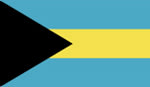 Bahamas
 Bahrain
 Barbados
 Belgium
 Belize
 Benin
Benin Bermuda
 Bonaire Sint Eustatius And Saba
 Brazil
 British Virgin Is.
 Brunei
 Cambodia
 Cameroon
 Canada
 Cayman Islands
 China
China Christmas Island
 Colombia
 Comoros
 Cuba
Cuba Curaçao
 Côte D’ivoire
 Denmark
 Dominica
 Dominican Republic
 East Timor
 Egypt
Egypt Equatorial Guinea
 Fiji
Fiji France
 French Guiana
 French Southern T.
 Gambia
 Germany
 Ghana
Ghana Gibraltar
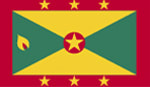 Grenada
Guadeloupe
Grenada
Guadeloupe Guatemala
 Guinea-Bissau
 Guinea
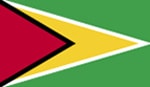 Guyana
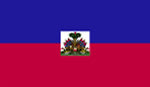 Haiti
Haiti India
India Indonesia
 Iran
Iran Ireland
 Israel
 Jamaica
 Japan
Japan Kenya
Kenya Liberia
 Libya
Libya Madagascar
 Malaysia
 Malta
Martinique
Malta
Martinique Mauritania
 Mauritius
Mayotte
Mauritius
Mayotte Mexico
 Micronesia
 Montserrat
 Mozambique
 Myanmar
 Nauru
Nauru Netherlands
 New Caledonia
 Nigeria
 Norfolk Island
 Norway
 Oman
Oman Pakistan
 Palau
Palau Panama
 Papua New Guinea
 Philippines
 Poland
 Portugal
 Puerto Rico
Réunion
Puerto Rico
Réunion Saint Barthélemy
 Saint Lucia
 Saint Martin
 Saint Pierre
 Saint Vincent
 Saudi Arabia
 Senegal
 Seychelles
 Sierra Leone
 Singapore
 Sint Maarten
 Solomon Islands
 Somalia
 South Africa
 Spain
Spain Sri Lanka
 St. Kitts & Nevis
 Suriname
 Sweden
 Switzerland
 São Tomé & Príncipe
 Taiwan
 Tanzania
 Thailand
 Togo
Togo Trinidad & Tobago
 Turks & Caicos
 UAE
UAE US Virgin Islands
 United Kingdom
 United States
 Vanuatu
 Venezuela
 Vietnam
 Yemen
YemenAnything we've missed?
Help us improve this page by suggesting edits. Glory never dies!
Suggest an editGet to know me
Terrestrial / Aquatic
Altricial / Precocial
Polygamous / Monogamous
Dimorphic (size) / Monomorphic
Active: Diurnal / Nocturnal
Social behavior: Solitary / Pack / Flock
Diet: Carnivore / Herbivore / Omnivore / Piscivorous / Insectivore
Migratory: Yes / No
Domesticated: Yes / No
Dangerous: Yes / No




