


Known as Audubon’s shearwater until a recent name change, this bird is the pocket-sized rebel of its family. While most of its relatives are massive, heavy-bodied ocean gliders, the Sargasso is delightfully compact—about the size of a standard crow. It sports a sleek, dual-toned outfit featuring a deep, dusky chocolate-brown “cape” across its back, contrasted with a crisp white belly. What truly makes it distinct from other similar seabirds is its noticeably longer, wedge-shaped tail and a face where the white plumage climbs up higher around its eyes, giving it a bright, alert expression.
What sets this bird apart from its cold-water-loving cousins is its absolute devotion to the tropics, spending its life navigating the warm currents of the western Atlantic and the weed lines of the Sargasso Sea. At dinner time, it displays a fascinating feeding technique called “pattering.” It will hover just above the ocean surface and rapidly pedal its webbed feet against the water while flapping its wings, making it look exactly like it is running or dancing on water to snatch up surface-dwelling squid. If the food dips deeper, the shearwater doesn’t hesitate; it will plunge right into the waves and use its powerful wings to literally “fly” underwater, diving down to impressive depths to chase its prey like a miniature, feathered submarine.
The Sargasso shearwater is a member of the “tubenose” family, meaning it has prominent, tube-like nostrils sitting right on top of its bill. These tubes house a hyper-sensitive sense of smell that allows the bird to track down pockets of food across thousands of miles of otherwise featureless open ocean. However, while they are flawless athletes in the air and water, land is an entirely different story. Because their legs are positioned far back on their bodies to act as efficient swimming propellers, walking on solid ground is an incredibly awkward, clumsy affair.
Distribution
 Anguilla
 Antigua & Barbuda
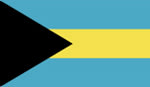 Bahamas
 Barbados
 Belize
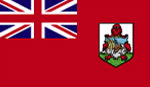 Bermuda
 Bonaire Sint Eustatius And Saba
 Brazil
 British Indian T.
 British Virgin Is.
 Canada
 Cape Verde
 Cayman Islands
 Colombia
 Costa Rica
 Cuba
Cuba Curaçao
 Dominica
 Dominican Republic
 El Salvador
 Gambia
 Grenada
 Guadeloupe
 Guatemala
 Guinea-Bissau
 Guinea
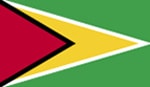 Guyana
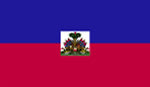 Haiti
Haiti Honduras
 Jamaica
Martinique
Jamaica
Martinique Mauritania
 Mexico
 Montserrat
 Morocco
 Nicaragua
 Panama
 Portugal
 Puerto Rico
 Saint Barthélemy
 Saint Lucia
 Saint Martin
 Saint Vincent
 Senegal
 Sint Maarten
 Spain
Spain St. Kitts & Nevis
 Trinidad & Tobago
 Turks & Caicos
 US Minor Is.
 US Virgin Islands
 United States
 Venezuela
Anything we've missed?
Help us improve this page by suggesting edits. Glory never dies!
Suggest an editGet to know me
Terrestrial / Aquatic
Altricial / Precocial
Polygamous / Monogamous
Dimorphic (size) / Monomorphic
Active: Diurnal / Nocturnal
Social behavior: Solitary / Pack / Flock
Diet: Carnivore / Herbivore / Omnivore / Piscivorous / Insectivore
Migratory: Yes / No
Domesticated: Yes / No
Dangerous: Yes / No




