


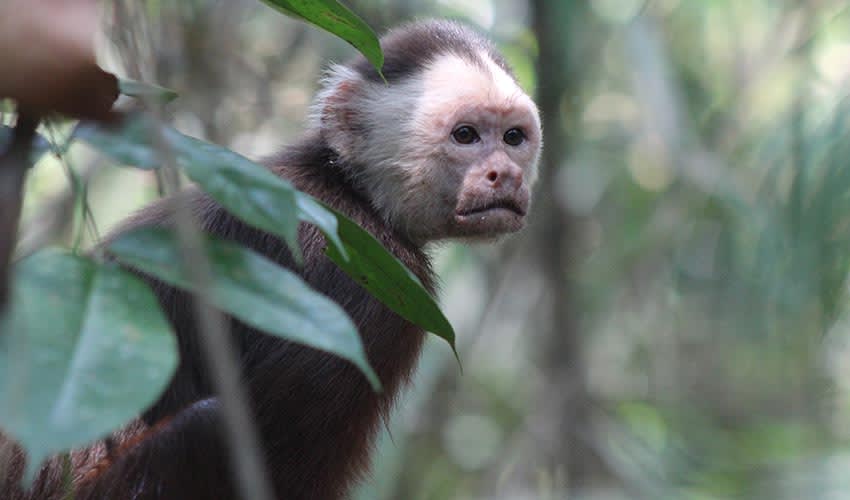
An exceptionally striking and highly intelligent primate, it is endemic to the tropical lowland rainforests, seasonally flooded woodlands, and palm swamps of the Magdalena River Valley in northern Colombia. Separated and classified as its own distinct species in 2012, this primate is renowned for its slender, gracile build and long, nimble limbs that make it a true acrobat of the high canopy. They are visually distinguished by a vibrant combination of reddish-chestnut fur along their backs, forearms, and the fronts of their legs, which contrasts beautifully with the soft, cream-colored fur covering their temples, foreheads, chins, throats, and the sides of their necks and faces. A distinct dark brown cap sits like a fuzzy crown atop their heads, lending the group its name. Because of their lightweight frame, typically weighing only a few kilograms, they can easily sprint across thin, swaying branches that would easily break under the weight of heavier monkeys, allowing them to access the most nutritious, untouched fruits at the outer edges of the trees.
Socially, these clever animals live in tight-knit troops of up to 30 individuals that operate within a cooperative, structured hierarchy. Their daily routine is highly active, revolving around foraging in the middle and upper levels of the forest, though they will occasionally descend to the ground to hunt for invertebrates during the dry season. As opportunistic omnivores, their highly flexible diet includes ripe fruits, figs, seeds, flower buds, nectar, spiders, and occasionally small vertebrates.
What truly sets the varied white-fronted capuchin apart is its remarkable cognitive ability and problem-solving skills. They are among the few primate species documented using tools in the wild, utilizing sticks, rocks, and other objects to crack open hard nuts or fish for insects hidden deep within tree bark. Furthermore, they are famous for an intriguing practice known as self-anointing, where they catch specific pungent plants or millipedes and rub the released chemicals onto their fur to create a natural, homemade mosquito and bug repellent to ward off pests during the rainy season.
Distribution
 Colombia
Anything we've missed?
Help us improve this page by suggesting edits. Glory never dies!
Suggest an editGet to know me
Terrestrial / Aquatic
Altricial / Precocial
Polygamous / Monogamous
Dimorphic (size) / Monomorphic
Active: Diurnal / Nocturnal
Social behavior: Solitary / Pack / Troop
Diet: Carnivore / Herbivore / Omnivore / Piscivorous / Insectivore
Migratory: Yes / No
Domesticated: Yes / No
Dangerous: Yes / No




