


A gentle giant of the South American rainforest, a slow-moving but charismatic wanderer that plays a quiet yet critical role in the ecosystems it inhabits. Found throughout the Amazon Basin and surrounding tropical forests, this species ranges across countries like Brazil, Colombia, Peru, Venezuela, Bolivia, and the Guianas, thriving in warm, humid environments where dense vegetation offers shade and fallen fruits abound. As one of the largest mainland tortoises in the Americas, it cuts an unmistakable figure. Its high, domed carapace is typically dark brown or black, contrasting beautifully with the yellow or golden scales on its limbs that give the species its name. These bright markings, especially prominent on the front legs, seem almost decorative, like nature has tucked sunlight into its armor.
Despite its seemingly simple lifestyle, the Yellow-footed Tortoise is wonderfully adapted to the rhythm of a rainforest that changes dramatically between wet and dry seasons. It is primarily herbivorous, feeding on leaves, fallen fruits, flowers, and fungi, but it isn’t strictly picky — it will occasionally eat insects, carrion, or snails, especially when nutrients are scarce. This varied diet makes it a key seed disperser, helping regenerate forest vegetation as seeds pass through its digestive tract and are deposited far from the original plant. During the rainy season, the tortoise enjoys a buffet of lush growth and abundant fruit. In the dry months, it slows its activity, shelters in leaf litter or burrow-like hollows, and carefully conserves water, relying on moisture-rich foods and internal storage — a survival strategy reminiscent of desert tortoises, despite living in a rainforest.
Today, however, one threat remains far greater than any natural predator: human activity. Habitat loss due to deforestation, expansion of agriculture, and infrastructure projects has reduced suitable living areas for the tortoise. In some regions, hunting pressures have also affected populations.
Distribution
 Bolivia
 Brazil
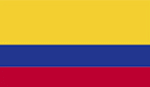 Colombia
 Dominica
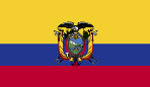 Ecuador
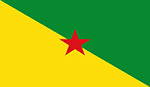 French Guiana
 Guyana
 Peru
Peru Suriname
 Trinidad & Tobago
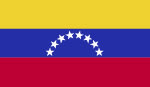 Venezuela
Anything we've missed?
Help us improve this page by suggesting edits. Glory never dies!
Suggest an editGet to know me
Terrestrial / Aquatic
Altricial / Precocial
Polygamous / Monogamous
Dimorphic (size) / Monomorphic
Active: Diurnal / Nocturnal
Social behavior: Solitary / Pack / Herd
Diet: Carnivore / Herbivore / Omnivore / Piscivorous / Insectivore
Migratory: Yes / No
Domesticated: Yes / No
Dangerous: Yes / No




