Chaetophractus – Hairy armadillos
Among the few armadillos capable of thriving in cold or temperate climates, such as the Patagonian steppe
Unlike the smoother, more polished shells of their relatives, Chaetophractus species sport coarse, wiry hairs that stick out between their armor plates—hence their name, which comes from Greek roots meaning “bristled shell.” These armadillos are adaptable, burrowing insectivores, found in some of the harshest environments of South America, from the windswept plains of Patagonia to the dry Chaco forests of Argentina and Bolivia. Their rugged build, curious behavior, and resilience make them true survivors of the grasslands.
Physically, Chaetophractus armadillos are medium-sized and sturdily built, with strong legs and claws designed for digging. Their bodies are covered in a hard carapace made of bony plates, divided into movable bands that allow flexibility. The coloration ranges from yellowish-brown to dark gray, often blending perfectly with dry soil or grassland surroundings. What sets this genus apart is the dense hair that protrudes between the armor bands and along the sides and belly—giving them a somewhat shaggy appearance compared to other armadillos. This fur is not just for show: it provides insulation against the cold and dry winds of their southern habitats. Their heads are small and pointed, equipped with a long snout ideal for sniffing out insects and underground prey, and their ears are short and rounded.
These armadillos are mostly nocturnal or crepuscular, spending their nights digging and foraging for food. Their diet is omnivorous, consisting largely of insects, larvae, worms, and plant matter, but they also consume small vertebrates, carrion, and roots when available. They are expert diggers, capable of excavating burrows quickly using their powerful forelimbs and large claws. These burrows serve as shelters from predators, temperature extremes, and even wildfires. Hairy armadillos are also known for their ability to tolerate extreme environments—they can survive in areas with sparse water and low vegetation by obtaining moisture from their food and reducing activity during the hottest parts of the day. In colder southern regions, their fur and thick fat layer help conserve body heat, making them well suited to the variable climates of South America’s grasslands and deserts.

Species in this genus


Andean hairy armadillo
The highest-living armadillo on Earth
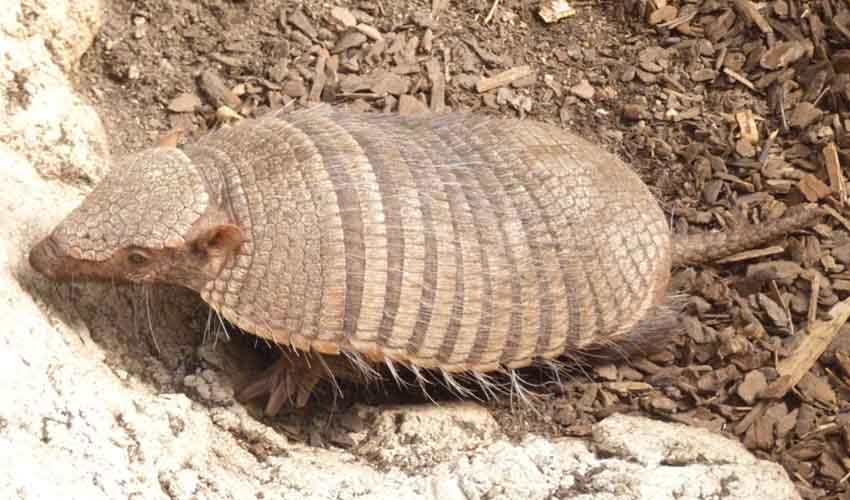
Big hairy armadillo
Has a strong sense of smell for finding food underground, because a lot of its best snacks are hidden out of sight
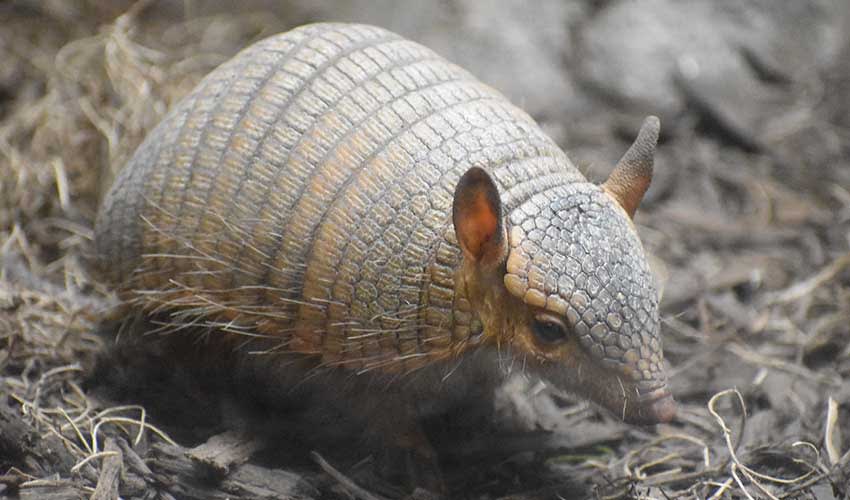
Screaming hairy armadillo
“Screaming” is real: when frightened or handled, it can let out a surprisingly loud, high-pitched squeal for such a small animal

