Trapelus
Because they live in open, exposed terrain, they are adept at spotting predators and retreating quickly to crevices or behind rocks
A captivating group of lizards perfectly adapted to the rugged and sun-scorched landscapes of North Africa, the Middle East, and Central Asia. These reptiles thrive in some of the harshest habitats on Earth—arid deserts, rocky plateaus, and dry steppes—where few other animals can survive. With their hardy bodies, shifting colors, and dynamic displays, Trapelus lizards are models of desert resilience and subtle beauty, bringing flashes of life and color to the world’s most barren environments.
Members of the genus are medium-sized, robust lizards. Their bodies are well-built for ground living, with strong limbs, broad heads, and coarse, keeled scales that protect them from abrasive sand and stone. Most species exhibit an extraordinary ability to change color, switching between dull, earthy tones when at rest and brilliant shades—often blues, oranges, or reds—when active or during the breeding season. Males are particularly colorful, using their vibrant hues to attract females or warn off rivals. These color shifts not only serve as visual signals but can also aid in thermoregulation, helping them reflect sunlight or absorb heat depending on conditions.
Behaviorally, Trapelus lizards are diurnal, meaning they are active during the day, especially during cooler morning and late-afternoon hours. They are sun worshippers, often seen basking on warm rocks to absorb heat before beginning their daily search for food. During the hottest parts of the day, they retreat into burrows, rock crevices, or shaded areas to avoid overheating. Their diet consists mainly of insects—such as ants, beetles, grasshoppers, and other arthropods—but they may also consume small spiders or bits of vegetation. Agile and alert, they are quick to dash between rocks or into burrows when threatened, and their speed and camouflage make them difficult for predators to catch.

Species in this genus


Desert agama
Its scientific name, mutabilis, means “changeable,” a nod to its ability to shift coloration
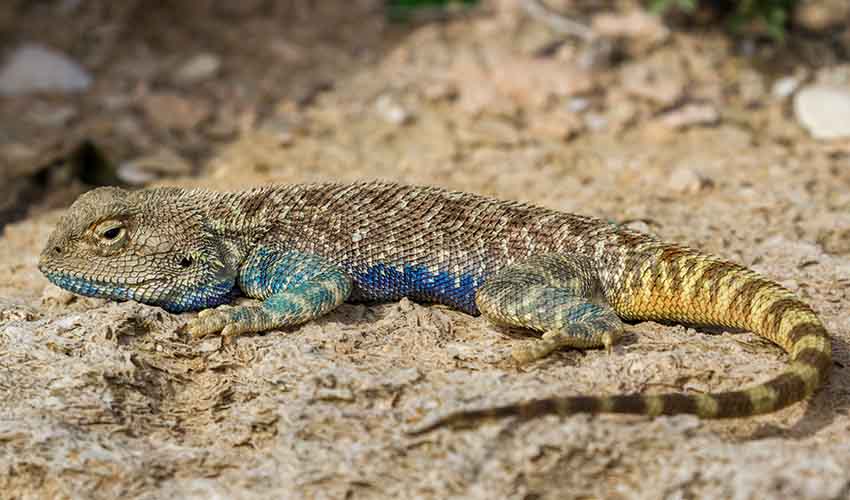
Steppe agama
Can survive in scorching summer heat over 40°C (104°F) and freezing winters below zero

