


A true ocean wanderer—most of the time it lives far from land, skimming low over rolling waves in the western Atlantic and Caribbean region. It’s built for long travel: long wings, a light body, and a flight style that looks effortless as it glides and banks in the wind. People often describe its look as bold and clean. The “black cap” that gives it its name contrasts with a bright white forehead and underparts, and many birds show a sharp dark pattern across the wings and back that can resemble a sweeping “M” when seen from above.
What really sets it apart from other similar petrels is that striking head pattern and its overall high-contrast style. Many petrels are mostly gray, brown, or softly mottled, blending into fog and waves, but the black-capped petrel can look like it’s wearing a crisp mask and tuxedo. It also has a more “storm-chaser” vibe than some relatives: it’s famous for appearing around rough seas and strong winds, when its fast, soaring flight is an advantage. Another key difference is where it raises its young. Instead of nesting on low, open sea cliffs like some seabirds, it uses hidden burrows high in steep mountains on the island of Hispaniola (in Haiti and the Dominican Republic).
The black-capped petrel also comes with stories that make it more memorable. In parts of the Caribbean, it has a spooky nickname that translates to “little devil,” inspired by its nighttime calls and its habit of vanishing into misty mountains. Chicks begin life as fluffy gray puffs deep in a burrow, then grow into sleek, sharp-winged travelers that may spend years at sea before returning to breed. And while it looks delicate in the hand, it’s a tough bird: it can ride strong winds for hours, using the air itself like a moving walkway. The biggest challenge is that a bird so at home over open water still depends on safe nesting ground—quiet, dark, predator-free places on land.
Distribution
 Anguilla
 Antigua & Barbuda
 Aruba
Aruba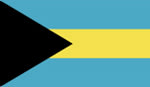 Bahamas
 Barbados
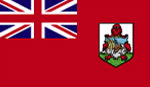 Bermuda
 Bonaire Sint Eustatius And Saba
 British Virgin Is.
 Cayman Islands
 Colombia
 Costa Rica
 Cuba
Cuba Curaçao
 Dominica
 Dominican Republic
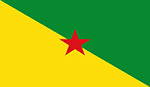 French Guiana
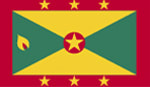 Grenada
 Guadeloupe
 Guyana
 Haiti
Haiti Honduras
 Jamaica
Martinique
Jamaica
Martinique Official estimate
 Montserrat
 Nicaragua
 Panama
 Puerto Rico
 Saint Lucia
 Saint Martin
 Saint Vincent
 Sint Maarten
 St. Kitts & Nevis
 Suriname
 Trinidad & Tobago
 Turks & Caicos
 US Virgin Islands
 United States
 Venezuela
Anything we've missed?
Help us improve this page by suggesting edits. Glory never dies!
Suggest an editGet to know me
Terrestrial / Aquatic
Altricial / Precocial
Polygamous / Monogamous
Dimorphic (size) / Monomorphic
Active: Diurnal / Nocturnal
Social behavior: Solitary / Pack / Flock
Diet: Carnivore / Herbivore / Omnivore / Piscivorous / Insectivore
Migratory: Yes / No
Domesticated: Yes / No
Dangerous: Yes / No




