


The “global traveler” of its family, boasting one of the most widespread distributions of any bird in the world. Its name comes from the Latin word fulvus, meaning “tawny” or “reddish-yellow,” which perfectly describes its warm, caramel-colored feathers. It has a long, slender neck and unusually large feet that give it a bit of a gangly, “awkward teenager” look when walking on land. While its cousins often have bold black or white markings, the fulvous opts for a more seamless, golden-brown aesthetic, topped off with a distinctive blue-gray bill and matching legs.
What makes the fulvous whistling duck truly different from its relatives is its relationship with water. While other whistling ducks are famous for perching in trees (often called “tree ducks”), the fulvous is much more of a traditionalist—it is a diver and a dabbler. It is rarely seen in trees, preferring to spend its time in shallow wetlands, flooded rice fields, and marshes. Because it spends so much time in the water, it has developed a specialized feeding strategy: it tips its tail into the air and submerges its head, or even dives completely underwater, to grab seeds and aquatic plants from the muddy bottom. If you see a whistling duck that looks like a golden goose but refuses to leave the water, you’re almost certainly looking at a Fulvous.
If you’re trying to identify one from a distance, keep your eyes on its backside. As it swims or flies, the fulvous whistling duck reveals a bright, creamy-white “U” shape on its rump, just above the tail. This acts like a high-visibility signal for other members of the flock, helping them stay together during their long, nocturnal flights. They are also incredibly social and talkative; they fly in loose V-formations or long lines, constantly emitting a thin, two-note whistle—k-weeoo—that sounds almost like a rusty gate swinging in the wind. This constant chatter ensures that even in the darkest swamp, no duck gets left behind.
Distribution
 Angola
 Antigua & Barbuda
 Argentina
 Aruba
Aruba Bahamas
 Bangladesh
 Barbados
 Belize
 Benin
Benin Bermuda
 Bhutan
 Bolivia
 Botswana
 Brazil
 British Virgin Is.
 Burkina Faso
 Burundi
 Cameroon
 Canada
 Cayman Islands
 Central Af. Rep.
 Chad
Chad Chile
Chile Colombia
 Congo-Brazzaville
 Costa Rica
 Cuba
Cuba DR Congo (Kinshasa)
 Dominican Republic
 Ecuador
 El Salvador
 Eswatini
 Ethiopia
 France
 French Guiana
 Gambia
 Ghana
Ghana Grenada
Guadeloupe
Grenada
Guadeloupe Guatemala
 Guinea-Bissau
 Guinea
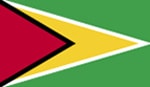 Guyana
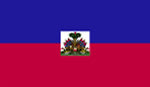 Haiti
Haiti Honduras
 India
India Israel
 Jamaica
 Kenya
Kenya Lesotho
 Madagascar
 Malawi
 Mali
Mali Mauritania
 Mexico
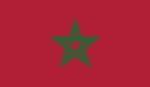 Morocco
 Mozambique
 Myanmar
 Namibia
 Nepal
Nepal Niger
Niger Nigeria
 Oman
Oman Panama
 Paraguay
 Peru
Peru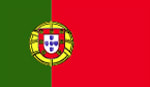 Portugal
 Puerto Rico
 Rwanda
 Saint Barthélemy
 Senegal
 Sierra Leone
 Somalia
 South Africa
 South Sudan
 Spain
Spain Sri Lanka
 Sudan
Sudan Suriname
 Tanzania
 Togo
Togo Trinidad & Tobago
 Turks & Caicos
 US Virgin Islands
 Uganda
 United States
 Uruguay
 Venezuela
 Yemen
Yemen Zambia
 Zimbabwe
Anything we've missed?
Help us improve this page by suggesting edits. Glory never dies!
Suggest an editGet to know me
Terrestrial / Aquatic
Altricial / Precocial
Polygamous / Monogamous
Dimorphic (size) / Monomorphic
Active: Diurnal / Nocturnal
Social behavior: Solitary / Pack / Flock
Diet: Carnivore / Herbivore / Omnivore / Piscivorous / Insectivore
Migratory: Yes / No
Domesticated: Yes / No
Dangerous: Yes / No




