


A chunky, semi-aquatic mongoose that looks a bit like a cross between a shaggy otter and a small, low-built dog. It’s found across much of sub-Saharan Africa, but almost always near water—swamps, marshes, rivers, lakes, rice fields, and flooded grasslands are its favorite hangouts. Its fur is usually very dark brown to almost black, long and rough, which helps shed water and mud. The body is sturdy, with short legs and a relatively long tail, and the head has a pointed muzzle with small, rounded ears.
Many mongooses are land hunters, but this species is an expert swimmer and wader. It patrols the edges of reeds and muddy banks, slipping into pools and channels with very little splash. Its feet are broad and strong, giving it good push in the water and grip in sticky mud. At night—because it’s mostly nocturnal—it can be seen (on camera traps or by very patient people) gliding along the edges of wetlands, hunting by smell, touch, and sound. Its diet is anything but boring: crabs, snails, frogs, fish, insects, small mammals, birds, and their eggs are all on the menu. It will even dig into tough crab shells with its strong teeth and claws, making it a serious “crab specialist” in many marshes.
Despite being a predator, the marsh mongoose often lives surprisingly close to people. It can show up around fish ponds, rice paddies, and village wetlands, where it hunts rodents and snatches up leftover scraps. That can be helpful—fewer rats—but it can also raid chicken coops or take ducklings, which doesn’t make it popular with everyone. It’s mostly a solitary animal, wandering on its own along well-known routes through reeds and along muddy paths.
Distribution
 Angola
 Benin
Benin Botswana
 Burkina Faso
 Burundi
 Cameroon
 Central Af. Rep.
 Chad
Chad Congo-Brazzaville
 Côte D’ivoire
 DR Congo (Kinshasa)
 Equatorial Guinea
 Eswatini
 Ethiopia
 Gabon
Gabon Gambia
 Ghana
Ghana Guinea-Bissau
 Guinea
 Kenya
Kenya Lesotho
 Liberia
 Malawi
 Mozambique
 Namibia
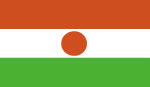 Niger
Niger Nigeria
 Rwanda
 Senegal
 Sierra Leone
 Somalia
 South Africa
 Sudan
Sudan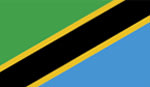 Tanzania
 Togo
Togo Uganda
 Zambia
 Zimbabwe
Anything we've missed?
Help us improve this page by suggesting edits. Glory never dies!
Suggest an editGet to know me
Terrestrial / Aquatic
Altricial / Precocial
Polygamous / Monogamous
Dimorphic (size) / Monomorphic
Active: Diurnal / Nocturnal
Social behavior: Solitary / Pack / Herd
Diet: Carnivore / Herbivore / Omnivore / Piscivorous / Insectivore
Migratory: Yes / No
Domesticated: Yes / No
Dangerous: Yes / No




