Pteropus – Flying foxes
Their heads look like those of a small fox due to their small ears and large eyes, which is how they got their name
Forget the tiny, squeaky creatures that flit around at night. These impressive animals are the undisputed heavyweight champions of the bat world, with wingspans stretching as wide as a ruler and bodies the size of a grapefruit. Imagine a furry friend with leathery wings – that’s the Pteropus!
Their kingdom lies in the warm rainforests of Asia, Australia, and some islands. During the day, they hang upside down from sturdy branches, their sharp claws gripping tight. Don’t be fooled by their relaxed naps, though. Come nightfall, these giants of the night awaken. As darkness falls, they take flight. Their wings, while massive, are surprisingly light, allowing them to weave gracefully through the dense trees. Unlike most bats that use echolocation like sonar to find their way, Pteropus rely on their keen sense of smell and sharp eyesight. This comes in handy when searching for their favorite food – fruit!
These bats aren’t picky eaters. They love all sorts of fruits, from juicy mangoes to plump figs. Their powerful jaws and specialized teeth are like tiny nutcrackers, easily cracking open even the toughest fruits to reach the sweet insides. Here’s the amazing part: as they munch on their fruity meals, some of the seeds hitch a ride inside the bat’s body. Later, when the bat poops somewhere else in the forest, those seeds get scattered far and wide. These lucky seeds then have a chance to sprout and grow into new trees, helping the rainforest flourish.

Species in this genus
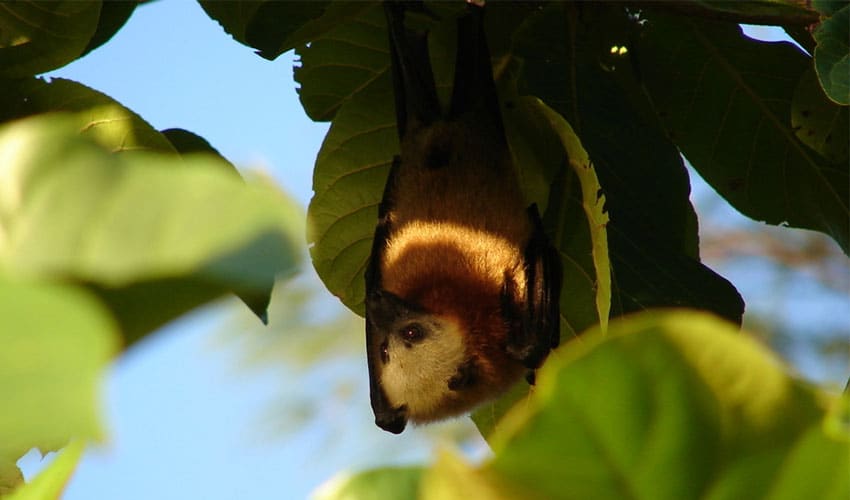


Aldabra flying fox
If you’re not on Aldabra, you’re not seeing one in the wild
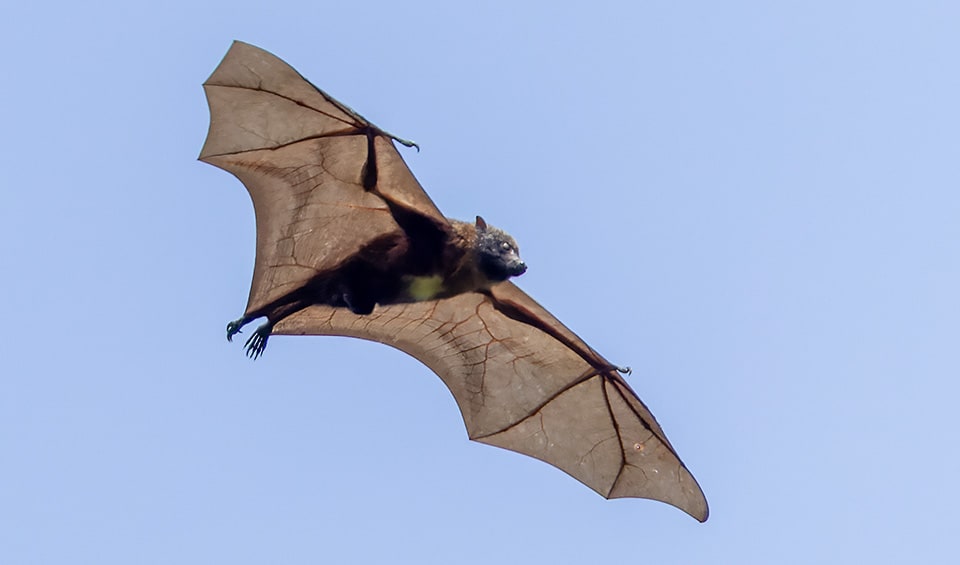
Chuuk flying fox
Unlike most flying foxes that are mainly active at night, it is at least somewhat active during the day

Large flying fox
So big that locals in some parts of Asia jokingly call it a “sky puppy,” because its face resembles that of a dog

Mariana fruit bat
Grooming is serious business — they comb their fur with their claws and teeth, maintaining that sleek, glossy coat
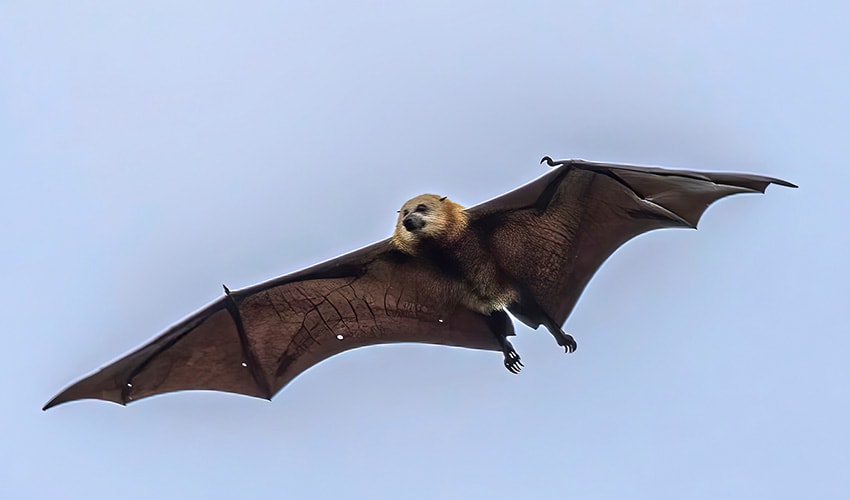
Mauritian flying fox
The largest native land mammal on Mauritius—bigger than any native land bird or wild land mammal left there

Rodrigues flying fox
Back-from-the-brink bat—their wild population once dropped to just a few dozen individuals
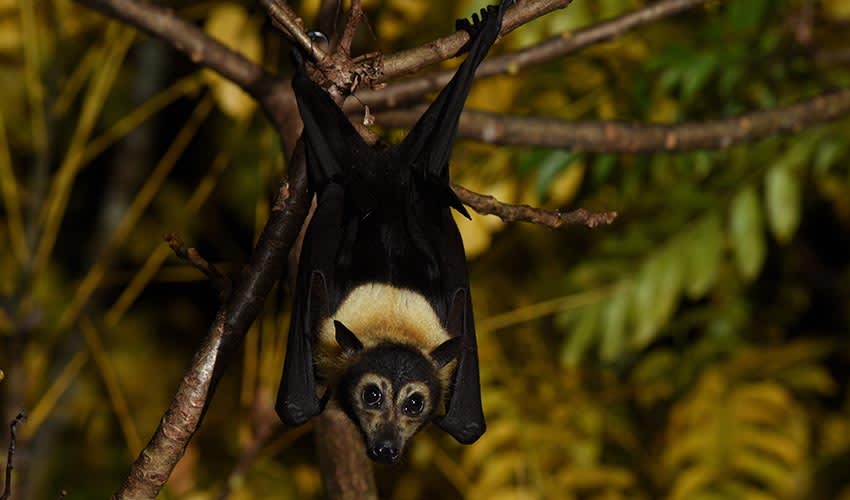
Spectacled flying fox
Those “spectacles” aren’t actual markings around the eyes — it’s a pale fur

Black-eared flying fox
Help spread figs, mangoes, and other native fruits, making them key to tropical island forest recovery

Pelew flying fox
Seeing one in the wild basically means you’re on a tiny Pacific tropical paradise
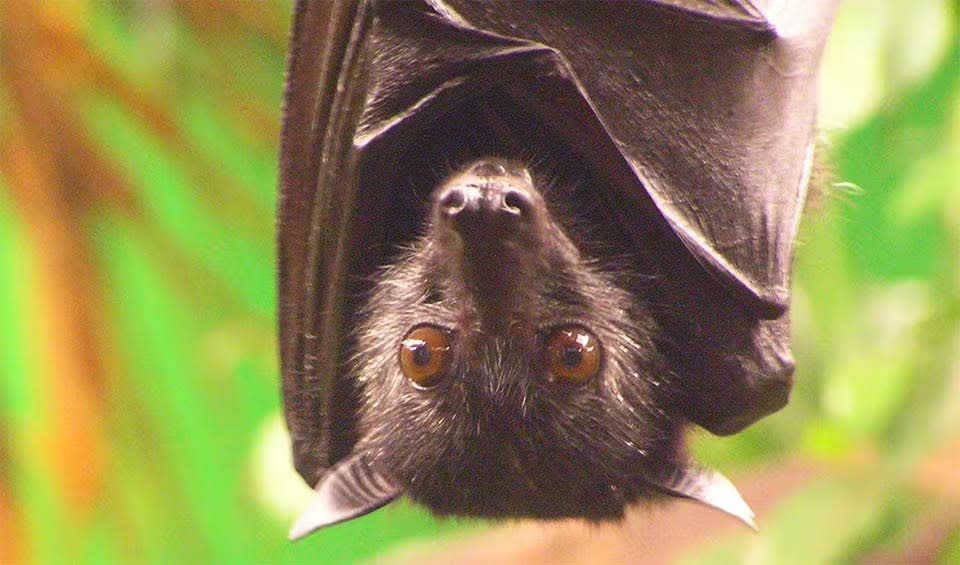
Pemba flying fox
A giant bat with a wingspan wider than a grown person!

Ryukyu flying fox
Can fly several kilometers each night to find the fruits they need

Samoa flying fox
Often flies in the early morning and late afternoon, so you can actually see it in daylight
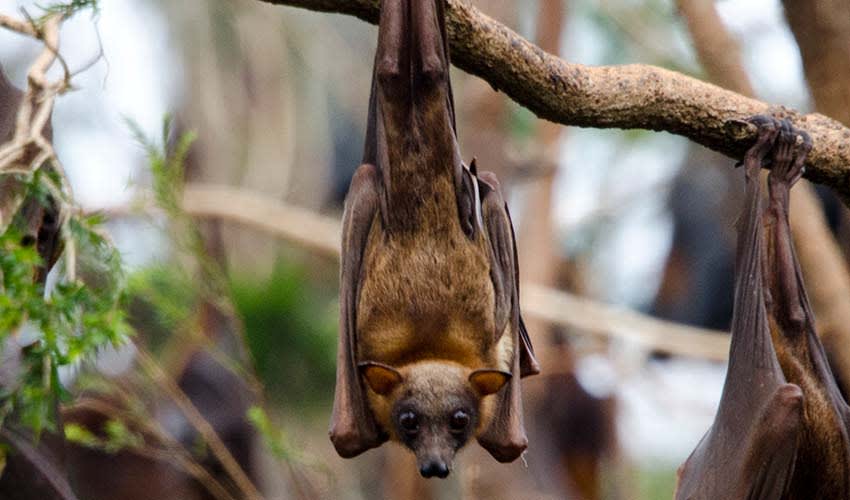
Little red flying fox
Despite its name, this bat isn’t tiny—it’s actually one of the smaller members of the flying fox family

Pacific flying fox
Its face really does look like a small dog or fox with big dark eyes and pointy ears

Seychelles flying fox
They’re gloriously messy when they eat: Juice drips, pulp falls, seeds drop—precisely what the forest needs to keep regenerating

