Strix – Earless owls
Have special feathers around their ears that act like satellite dishes, catching even the tiniest sounds
A group of owls known for their round faces, dark eyes, and hauntingly beautiful calls. These owls are found across much of the world, including North and South America, Europe, and Asia. Members of this genus are medium to large-sized owls with a distinct lack of ear tufts that many other owls have. This gives them a smooth, rounded head that is often described as “heart-shaped” due to the facial disk feathers that help focus sound into their ears, enhancing their exceptional hearing.
Owls of this genus are primarily nocturnal hunters, relying on their keen senses of sight and hearing to locate prey in the dark. Their diet consists mainly of small mammals like mice, voles, and shrews, but they also eat birds, insects, and other small animals. These owls have powerful talons and beaks designed to catch and kill their prey swiftly. Their flight is almost completely silent due to the special structure of their feathers, which minimizes noise and allows them to surprise their prey.
One fascinating behavior of these owls is their use of vocalizations. These owls have a variety of calls, from hoots and screeches to whistles and clicks. Each species has its own distinct calls used for communication, especially during the breeding season when males and females call to each other to establish territories and attract mates. The tawny owl’s call, a series of clear, melodic hoots, is particularly famous and often associated with spooky nighttime sounds in folklore and media.

Species in this genus
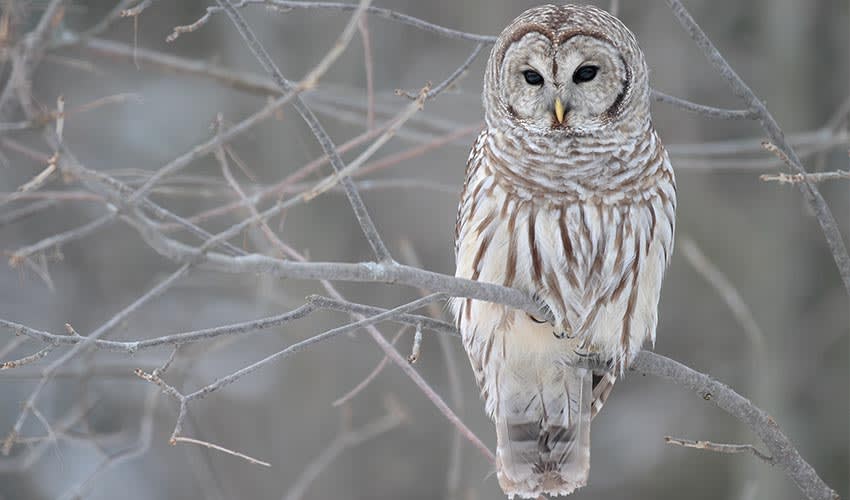


Barred owl
Its famous call is often remembered as sounding like it is asking a question
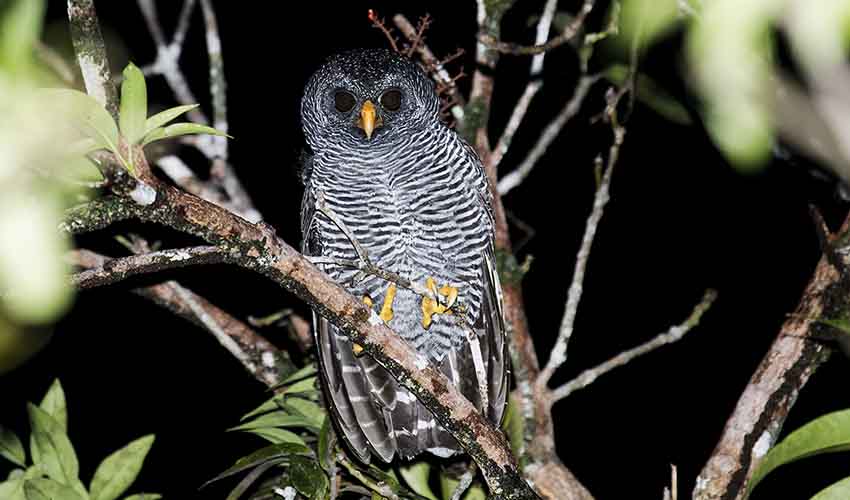
Black-banded owl
Known for their deep, booming voices, which can travel long distances through dense forest

Brown wood owl
This owl sometimes makes a dog-like “wow-wow” bark when alarmed
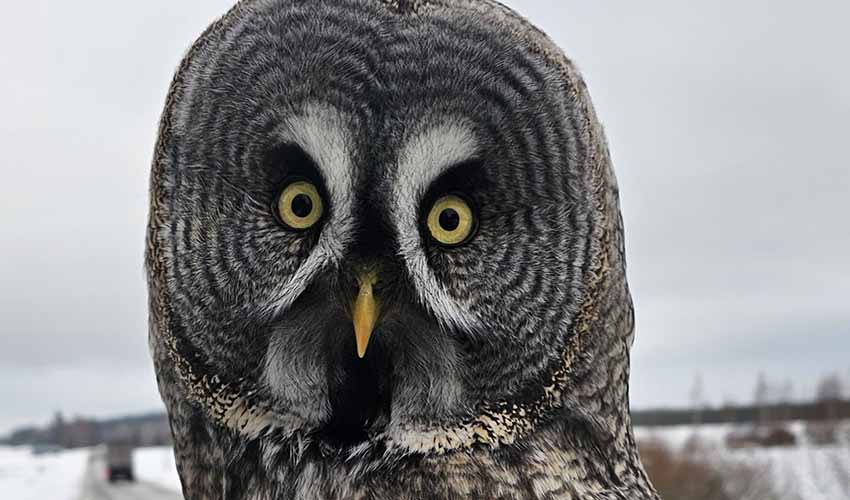
Great grey owl
One of the biggest owls in the world, but don’t let its size fool you – it’s actually quite light!

Himalayan owl
Has excellent hearing and can locate prey even under fallen leaves or light snow
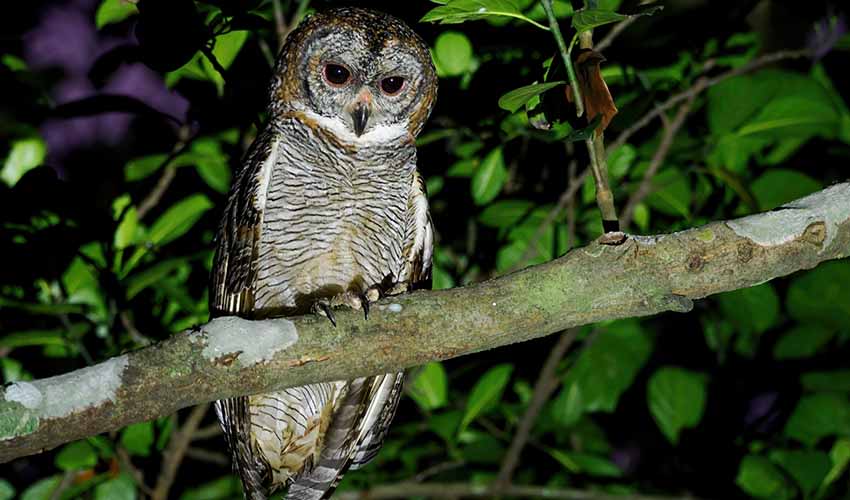
Mottled wood owl
One of the few large owls that often lives close to human settlements without much fear
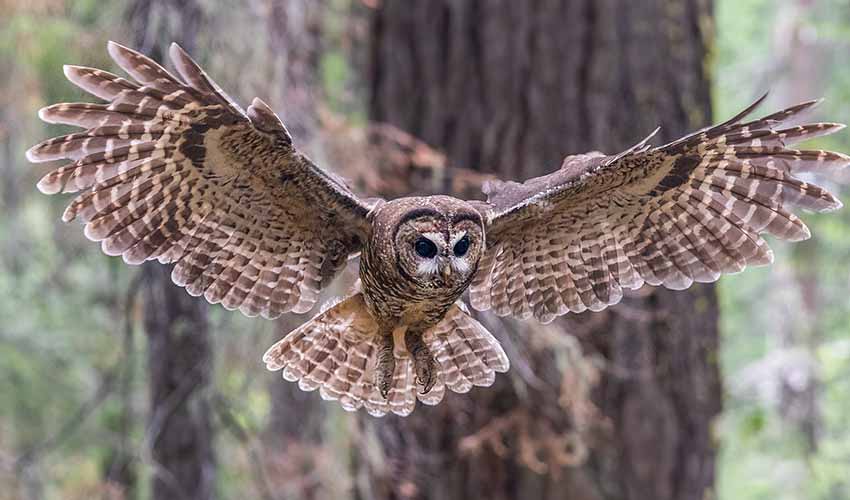
Spotted owl
Known to be surprisingly calm around people, sometimes watching quietly instead of flying away

Ural owl
Known to be fiercely protective of their nesting sites and will aggressively defend their territory from intruders, including humans

