Tringa – Shanks & tattlers
Different species have different leg colors (yellow, red, greenish, gray)
If you’ve ever watched a shorebird pick its way along a muddy edge with long legs and an alert, upright posture, there’s a good chance it belonged to Tringa or looked very much like one. In general, Tringa birds are medium-sized waders with longish legs, straight to slightly upturned bills, and a confident, purposeful walk. They often look busy and attentive, constantly scanning, pausing, and then stepping forward again, as if they’re patrolling the shoreline on an important mission.
What makes Tringa distinctive is not just how it looks, but how it behaves. Many species are surprisingly vocal compared with other shorebirds. They give clear alarm calls and sharp contact notes that carry far across marshes and tidal flats, which is useful when living in open places where danger can appear from any direction. They’re also known for “telegraphing” their mood: a Tringa wader that’s relaxed may feed quietly, but once startled, it can become animated—calling repeatedly, flying up with quick wingbeats, and sometimes circling back to scold an intruder. Their flight style is often strong and direct, and several species show bold wing patterns—white patches, bars, or contrasting upperwing colors—that flash as they turn, making them easier to follow even at a distance.
Another trait that helps Tringa stand out is its range of lifestyles within one group. Some members are classic coastal birds, working tidal mudflats and estuaries, while others are more at home in freshwater wetlands, flooded fields, ponds, and even forest edges. The wood sandpiper and green sandpiper, for example, often feel like “pond and ditch” specialists rather than beach birds, appearing in small inland pools where you might not expect a shorebird at all. This flexibility is part of why Tringa is so widespread: you can find its members across many continents, in habitats ranging from Arctic tundra breeding grounds to tropical wetlands in the non-breeding season. Many are also long-distance migrants, moving with the seasons in a predictable rhythm that ties together far-apart places like northern breeding marshes and southern wintering coasts.

Species in this genus
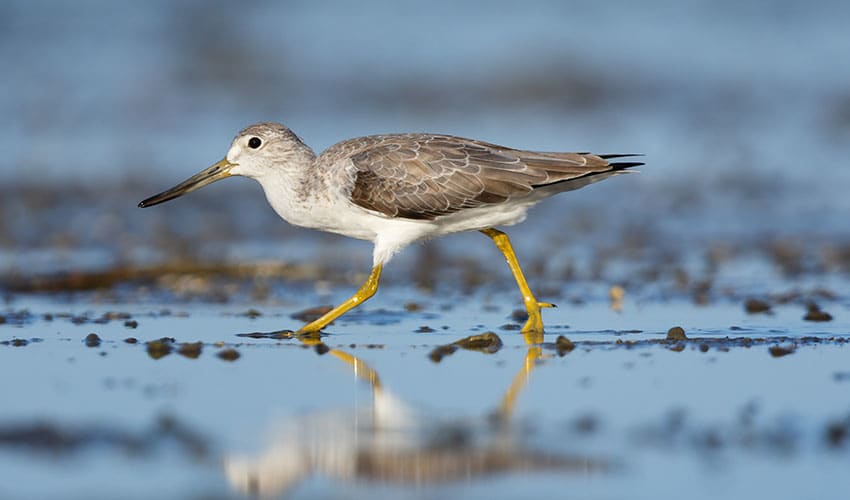


Nordmann’s greenshank
Usually looks shorter-legged because of its overall build and stance

Greater yellowlegs
The very tip of the bill has special “pits” that can detect the vibrations of a moving fish in murky water
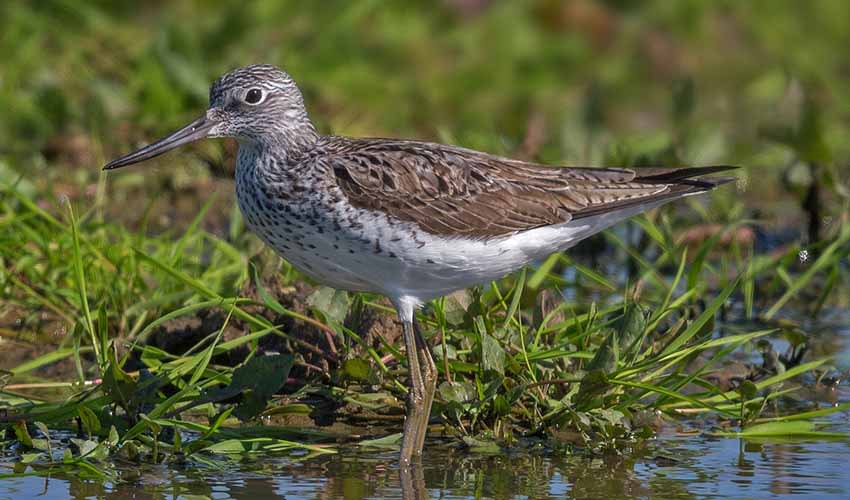
Common greenshank
When it’s time to migrate, they don’t just fly; they go into orbit

Spotted redshank
That vivid red color isn’t just for fashion; it’s a sign of health and vitality
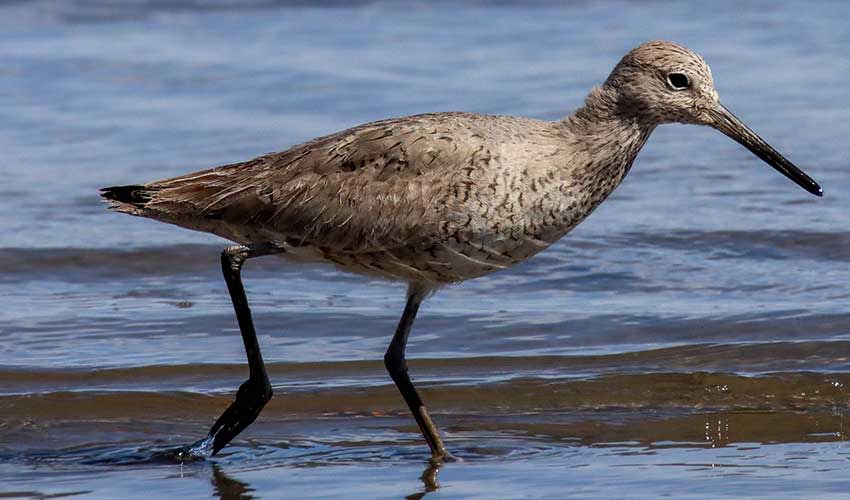
Willet
One of the few shorebirds that can handle small fish and even lizards

