Search for French Southern T.


Bridled tern
Known to “ride out” massive tropical storms by flying into the calm eye of the hurricane

Sooty tern
Remains as one of the most resilient residents of the tropics
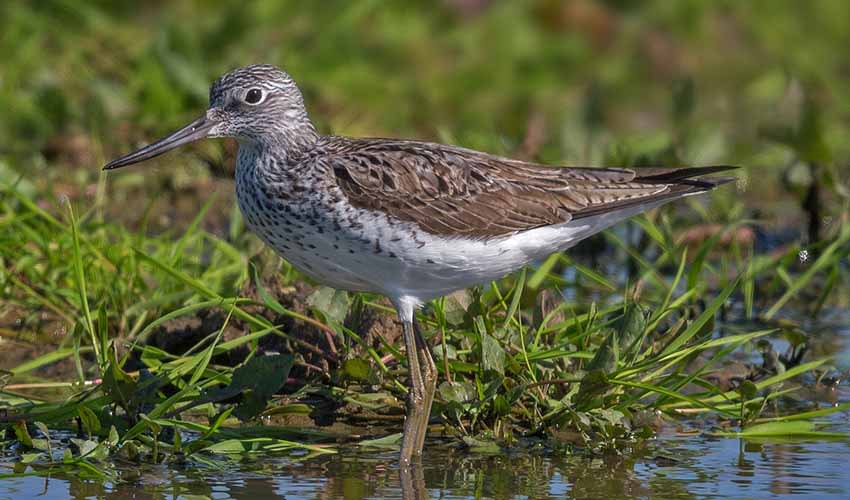
Common greenshank
When it’s time to migrate, they don’t just fly; they go into orbit

Snow petrel
Early explorers often wrote about these birds as friendly companions during long, lonely expeditions across the ice

Sooty albatross
It’s the “dark-themed” albatross
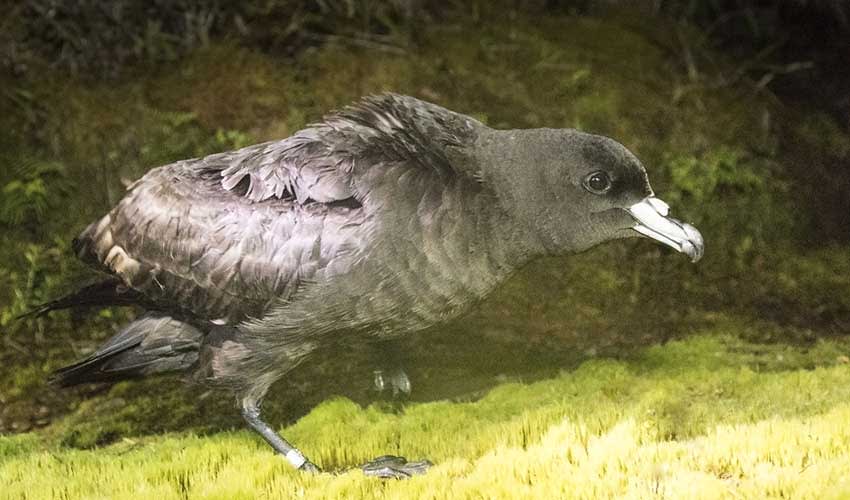
Black petrel
Often come and go after dark, so a place that feels quiet in daylight can turn noisy at night
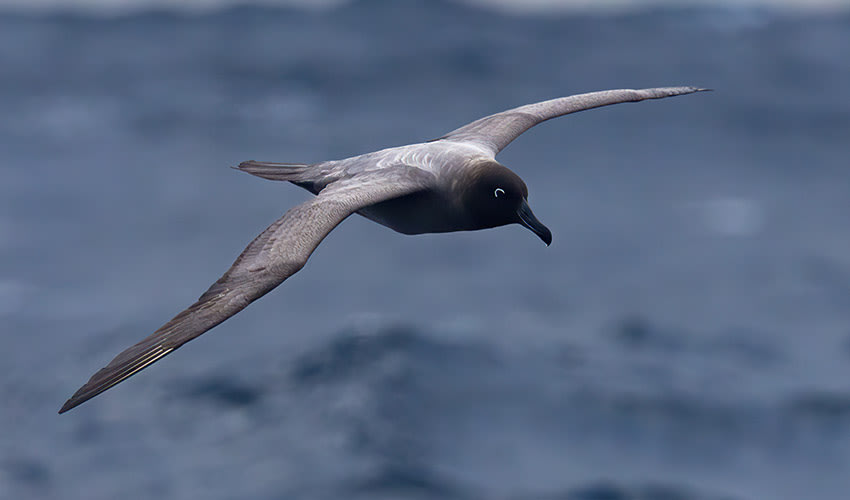
Light-mantled albatross
Often considered one of the most beautiful albatross species because of its soft gray coloring and gentle contrast

Grey plover
Can be black, can be grey but it’s the same bird

Bar-tailed godwit
Has one of the longest nonstop flights ever recorded for any bird
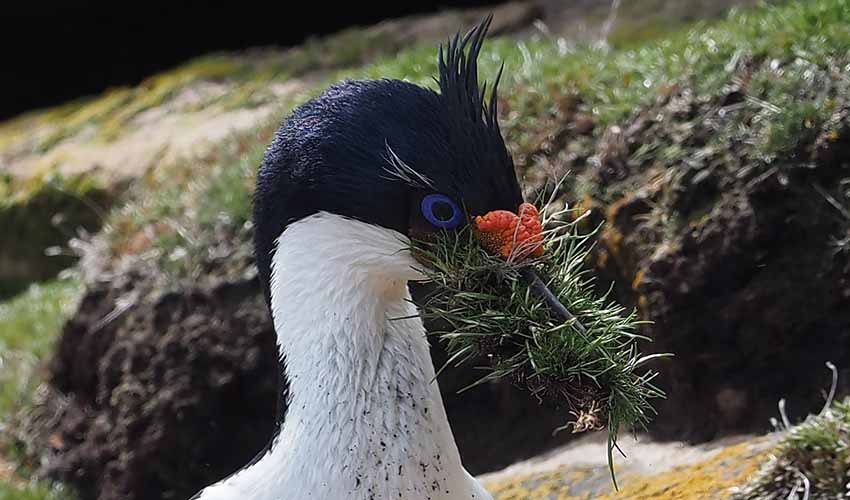
Imperial shag
Can dive deeper than many seals

Grey-headed albatross
Built to “ride the wind,” using long glides and smooth turns to save energy

Indian yellow-nosed albatross
Unlike many albatross species, it often prefers slightly warmer ocean waters
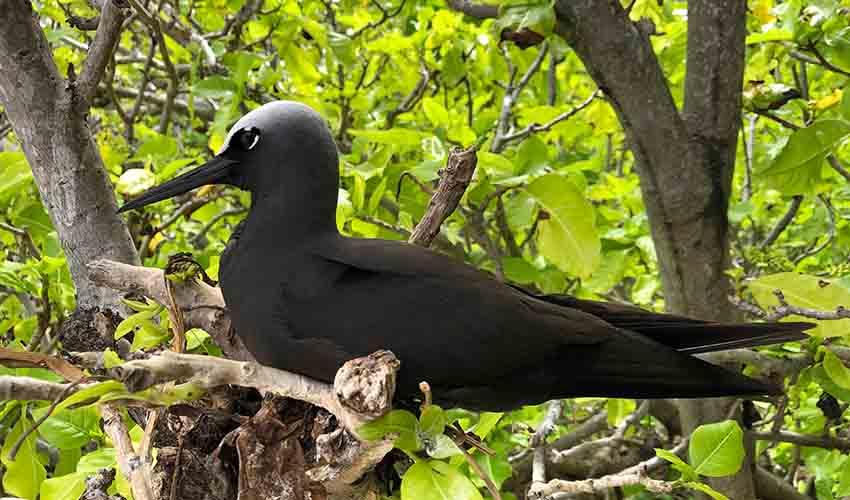
Black noddy
Black feathers, white cap, sleek shape — it’s the tuxedo of the bird world

Salvin’s albatross
Can fly thousands of miles without a single flap

Shy albatross
Often follow ships and fishing boats, attracted by food stirred up near the surface
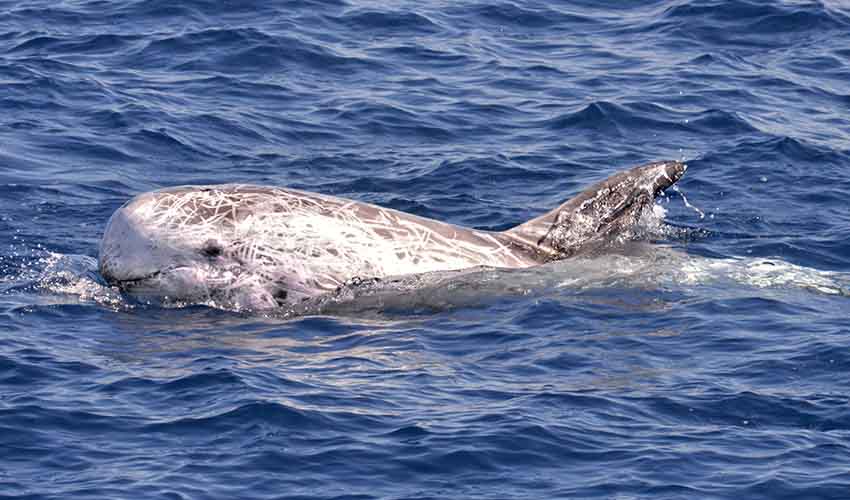
Risso’s dolphin
Sometimes called the “scars in the water” thanks to their many white markings
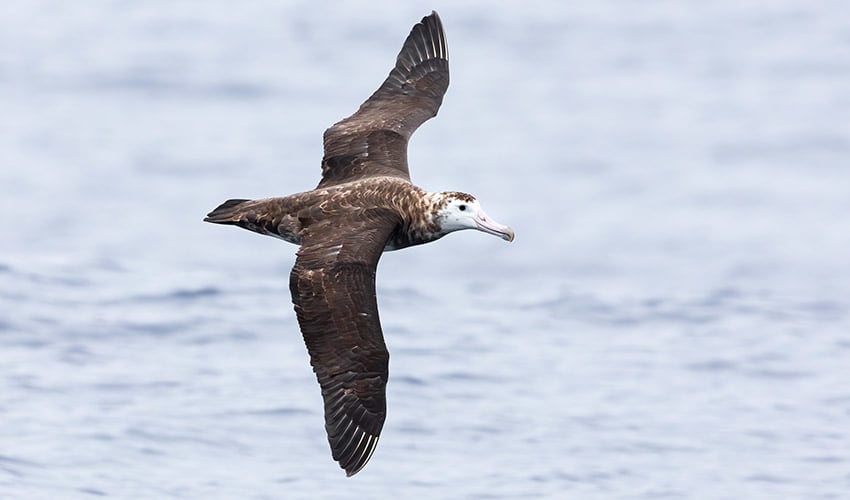
Amsterdam albatross
Its rarity isn’t because it’s “hard to spot,” but because the total population is genuinely very small
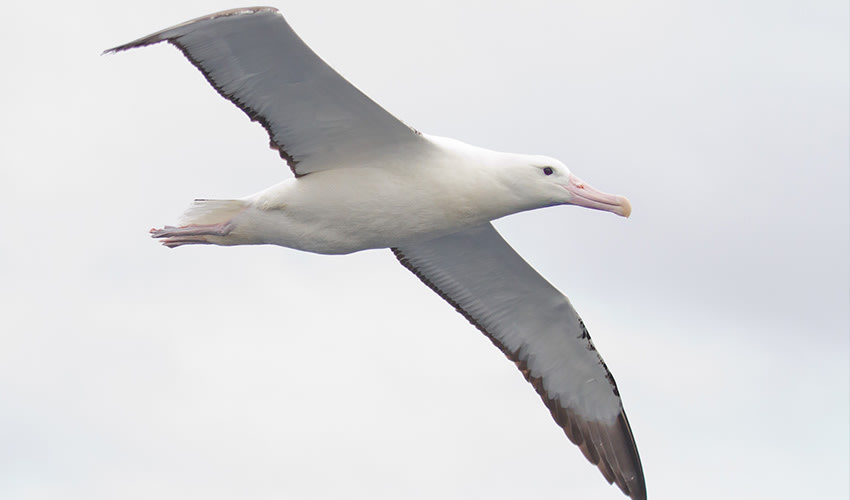
Northern royal albatross
Among the biggest flying birds on Earth

Galápagos petrel
Can spend months at sea without touching land, sleeping on the wing and resting on the open ocean

Antarctic tern
Highly site-faithful, often returning to the exact same nesting spot year after year

Ross seal
Least studied of all Antarctic seals
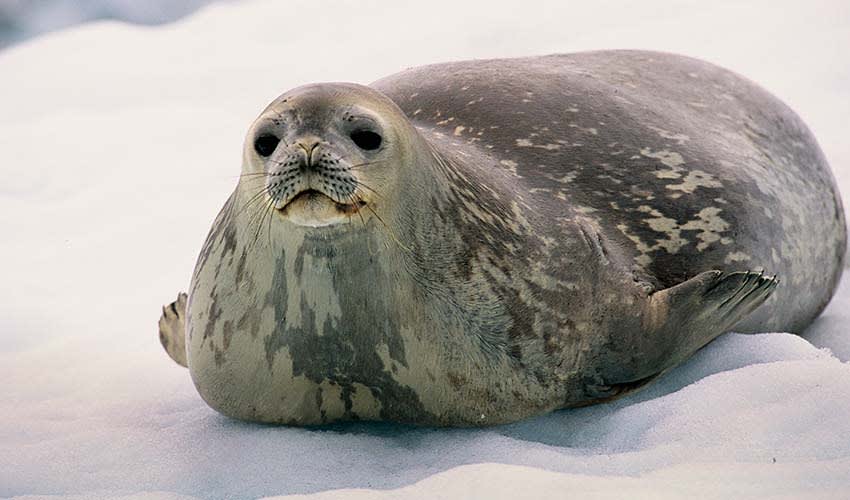
Weddell seal
A master of living under the ice, and a haunting singer in one of the world’s coldest wildernesses

Red knot
In winter, they’re plain grey and white, but in the Arctic summer, they turn into a glowing rusty red

Southern bluefin tuna
One of the fastest and deepest-diving tunas

Atlantic salmon
Travels with nature’s GPS: a magnetic compass and a nose that never forgets home

Ruddy turnstone
They flip the script — literally!
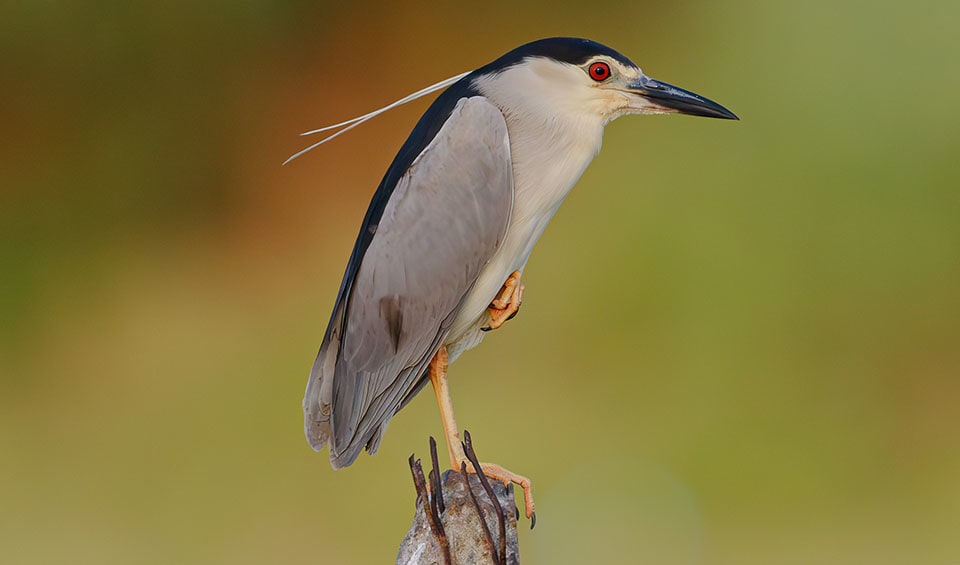
Black-crowned night heron
One of the most widespread and adaptable herons in the world

Kelp gull
When faced with hard-shelled prey, this gull simply flies up and drops it onto rocks — no tools, no problem
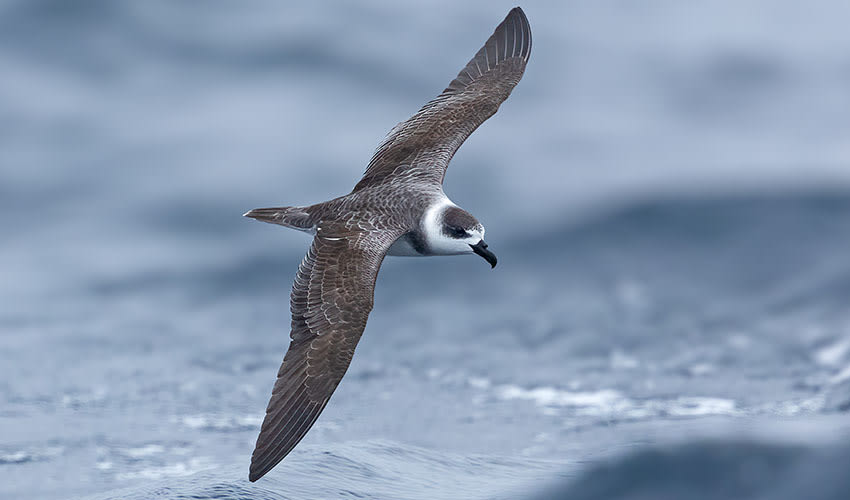
White-necked petrel
Known for their fast, direct flight, unlike the slow gliding of larger seabirds

Emperor penguin
Aptly named the biggest of the Penguin species & Olympic diver of the bird world

Antarctic fur seal
Has one of the warmest fur of any mammal

Northern giant petrel
Well-adapted to the cold Arctic climate and can withstand temperatures as low as -50°C (-58°F)

King penguin
With their stately waddle and regal demeanor, they are the undisputed monarchs of the Antarctic ice

Southern giant petrel
Often called the “vulture of the seas” because of its scavenging habits

Adelie penguin
A small, but mighty bird dressed in a tuxedo and living in one of the coldest places on Earth

Hourglass dolphin
Often called the “sea panda” of the southern seas
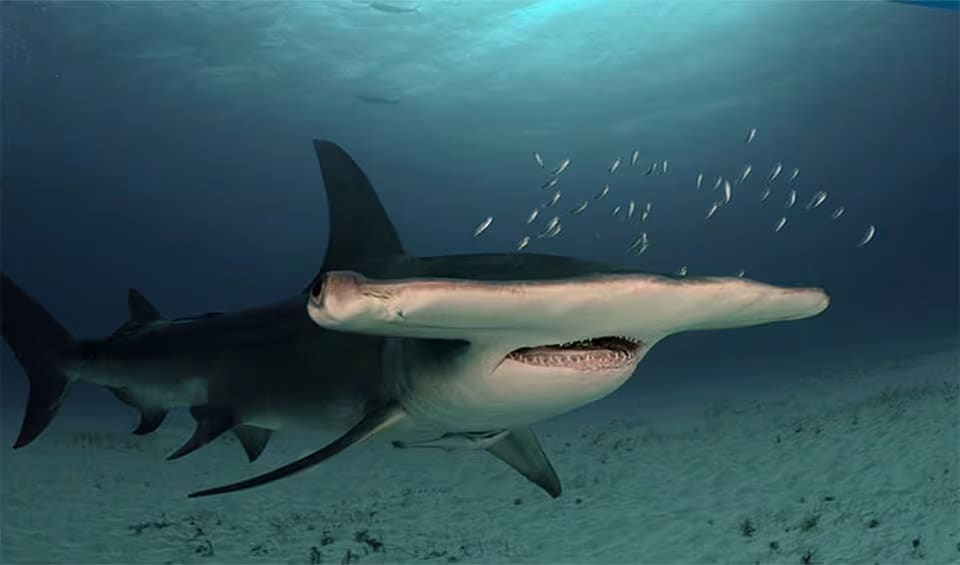
Great hammerhead
The biggest of all the hammerhead sharks, with a massive head that looks like a giant, flat hammer

Brown noddy
They bob their heads up and down as they fly, which is actually how they earned the nickname “Noddy”

Hawksbill sea turtle
Its slender frame and narrow head bear a beak curved like a hawk’s, earning this marine marvel its name

Emperor angelfish
As it grows older, it undergoes a metamorphosis that is nothing short of extraordinary
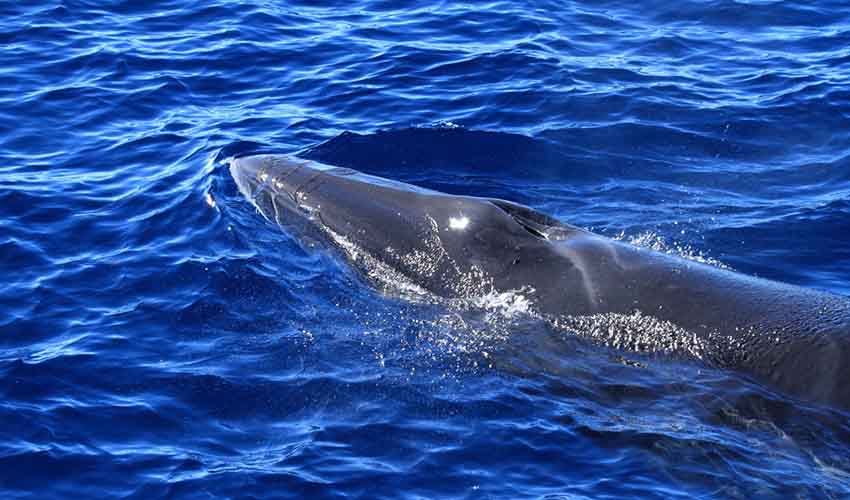
Antarctic minke whale
The most ice-associated baleen whale, often found right at the frozen frontier where krill thrives
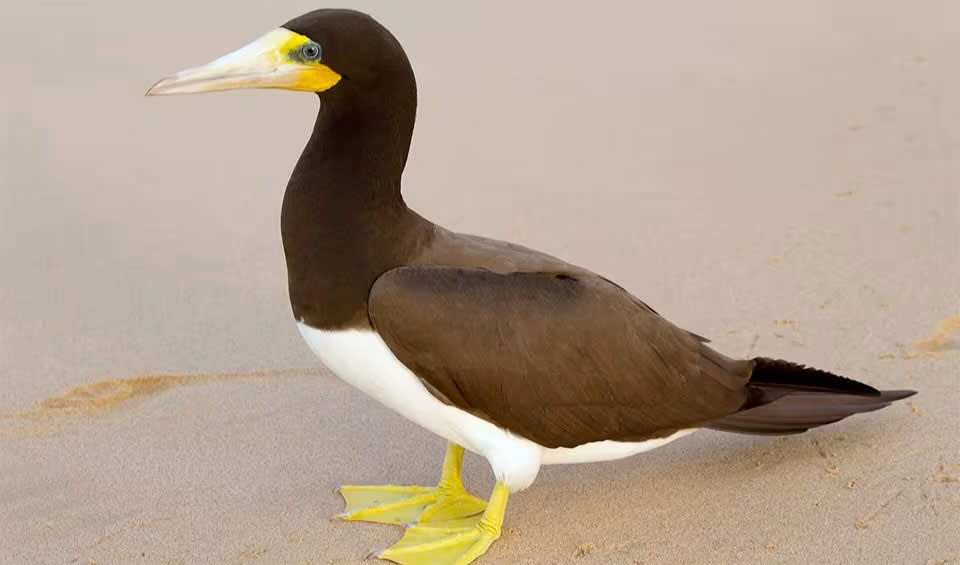
Brown booby
An impressively acrobatic bird that can catch flying fish mid-jump
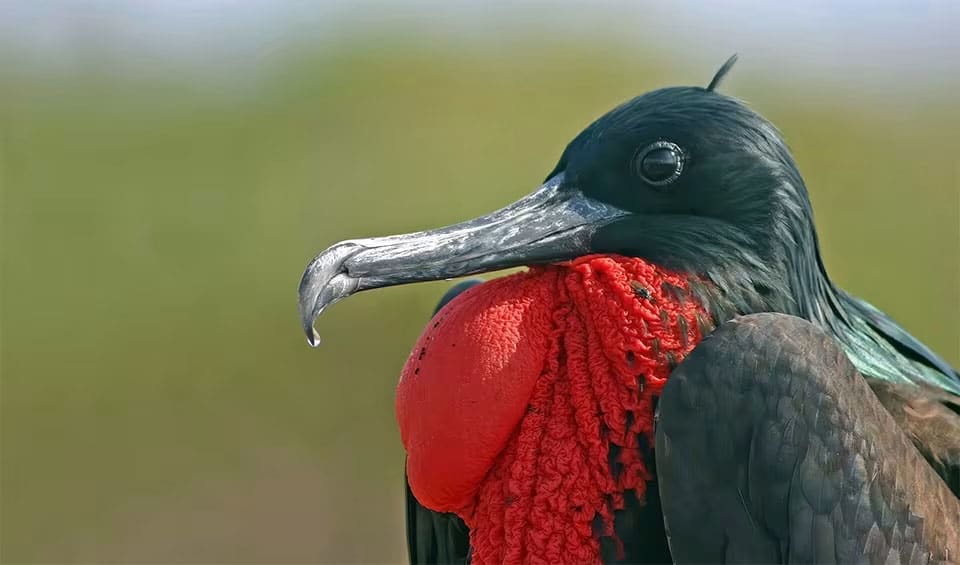
Great frigatebird
These birds spend weeks in the air and hunt, preen and even sleep while in flight
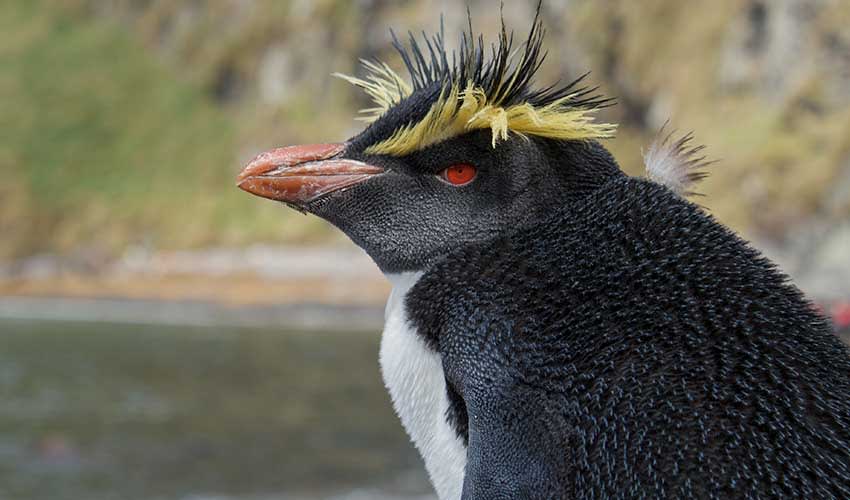
Northern rockhopper penguin
They’re called rockhoppers because they don’t just waddle — they hop from rock to rock using both feet together

Macaroni penguin
The penguin with a cool tiara
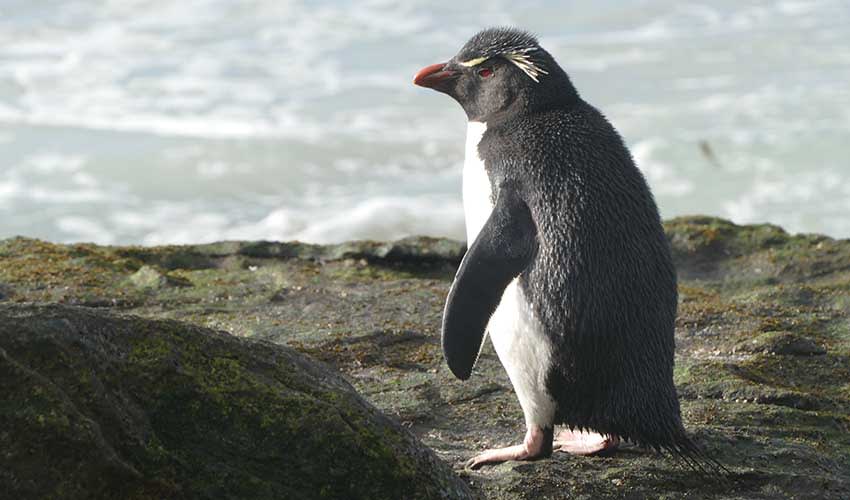
Western rockhopper penguin
Watching them misjudge a jump and immediately try again makes them look stubborn and determined rather than clumsy

Chinstrap penguin
The most grumpy penguin with a helmet and a chinstrap!
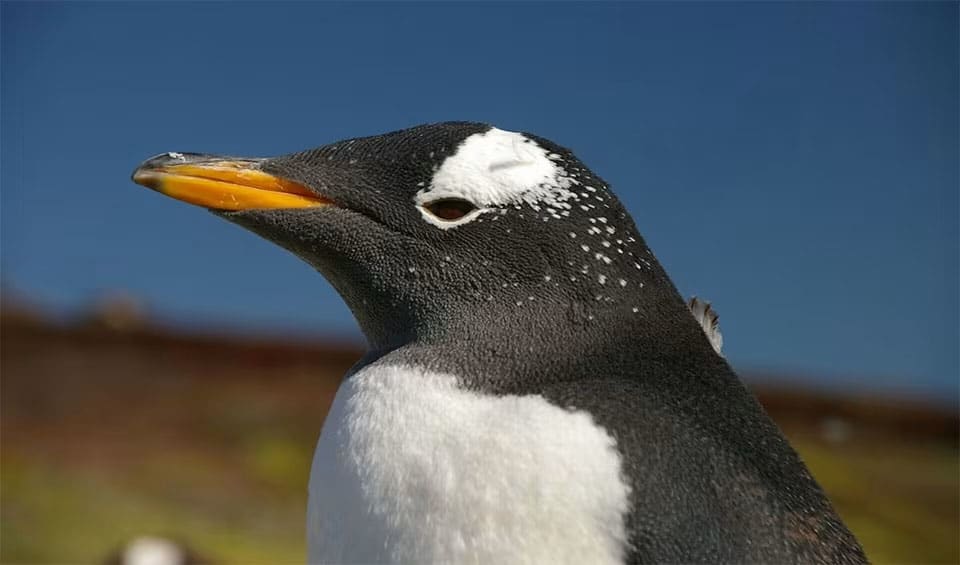
Gentoo penguin
Bushy tailed fastest diving penguin
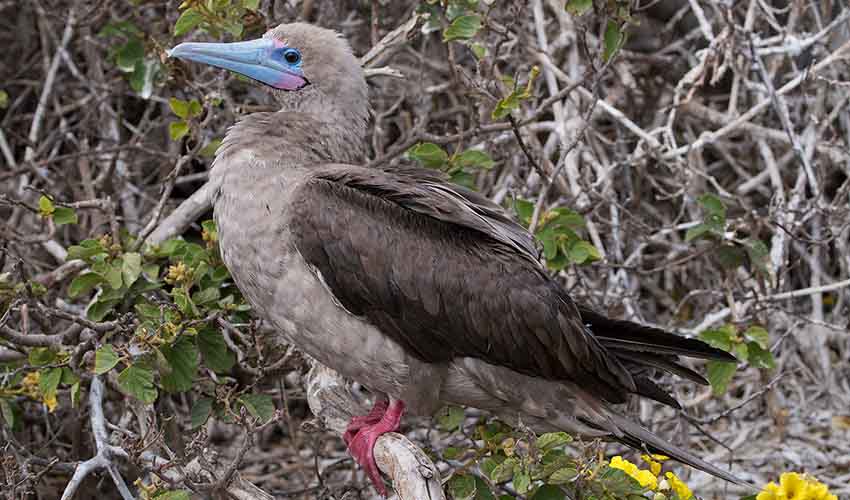
Red-footed booby
Goofy-looking yet evolutionarily refined for life above the waves
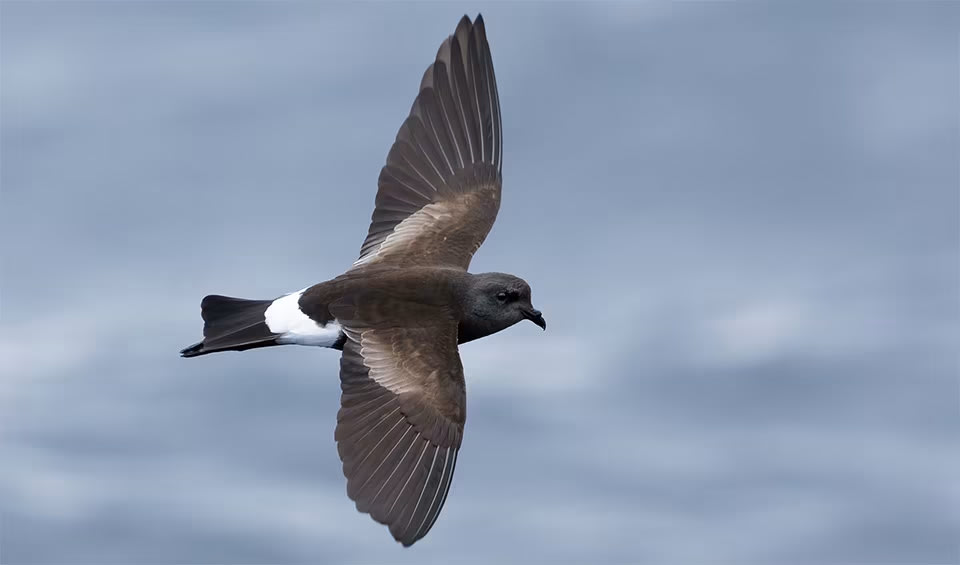
Wilsons storm petrel
This species is found in all world oceans except the north Pacific Ocean

Leachs storm petrel
These petrels stylishly ride the ocean waves like they own the winds
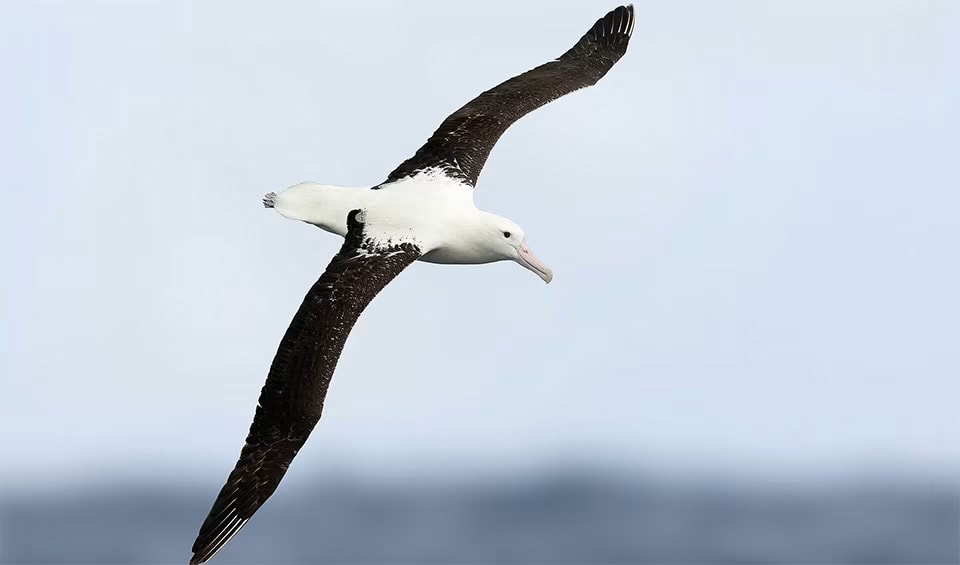
Royal albatross
These mighty birds have the longest wingspan, second only to wandering albatrosses

Wandering albatross
The humongous bird with the largest wing span of 3.5 m (11.5 ft) – seems straight out of a fantasy movie

Red-tailed tropicbird
They dance along with their gorgeous red tails to attract partners in a faithful courtship

Pomarine jaeger
In the winter, they lose those iconic “spoon” tail feathers, making them much harder to identify
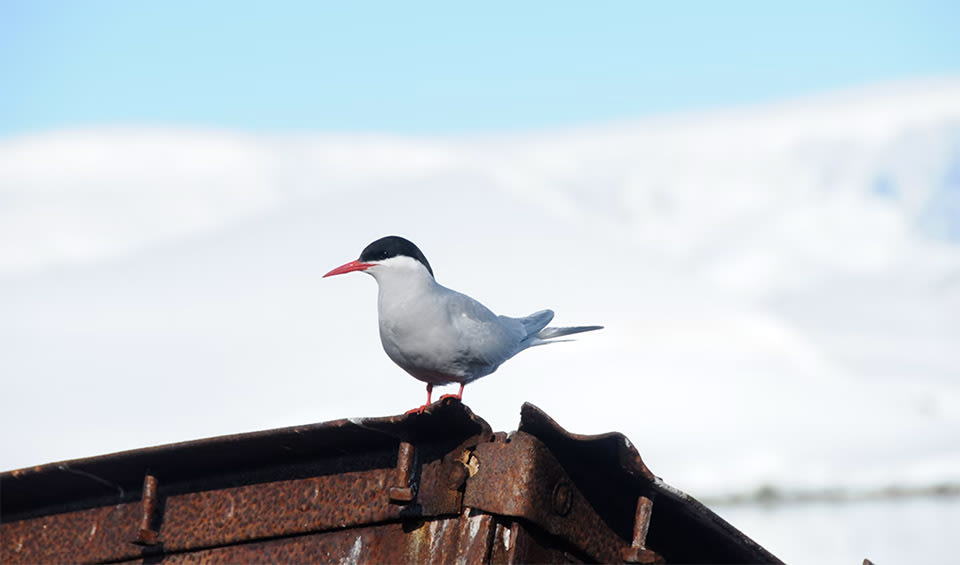
Arctic tern
This bird can give any cross-country runner a run for their money

Roseate tern
One of the UK’s rarest breeding seabird

Leopard seal
The ends of the mouth are permanently curled upwards that look like a smile or a menacing grin

Southern elephant seal
The largest member of the order Carnivora, adult males, can be six times larger than polar bears!

Subantarctic fur seal
Once nearly wiped out, it now thrives in great numbers
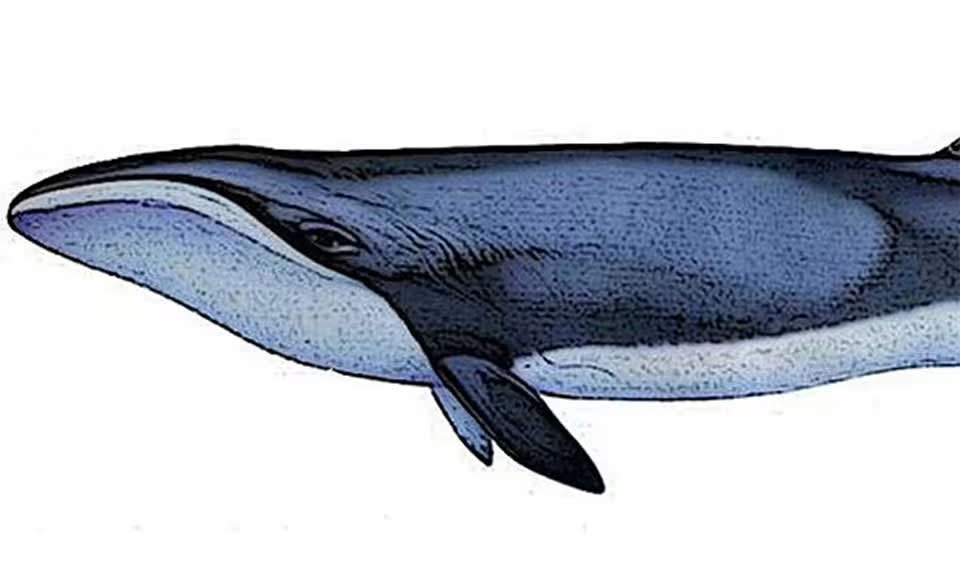
Pygmy right whale
The smallest baleen whale

Southern right whale
Most common of right whales, cruising the southern oceans
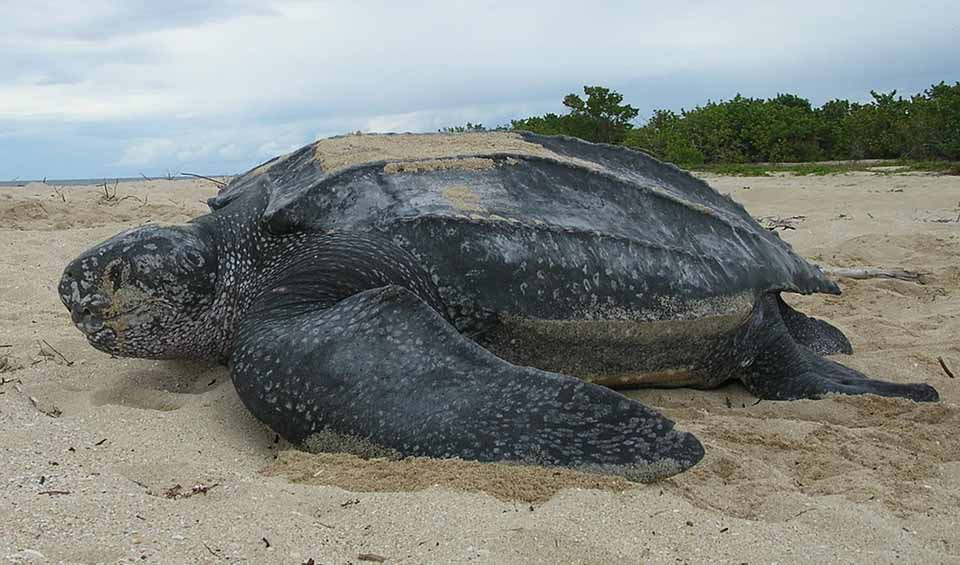
Leatherback sea turtle
The mysterious diver of the ocean is the largest and only sea turtle without a hard shell and scales

Green sea turtle
Largest hard-shelled sea turtle on earth

