


A bird that lives its life in a state of constant motion, existing between two ends of the Earth. To understand this bird, you must appreciate the sheer physical toll of its migration. Before departing the Arctic or the North Atlantic coast, the plover engages in a period of intense “hyperphagia,” gorging on insects and berries until it nearly doubles its body weight. This isn’t just fat; it is high-grade biological fuel. During their non-stop transoceanic flights, they are so efficient that they consume their own muscle tissue and fat for energy, landing in South America significantly lighter than when they started.
Unlike many shorebirds that “scythe” or probe the mud, the American golden plover is a “run-stop-peck” hunter. It uses its large eyes to detect movement on the surface of the soil or grass—identifying beetles, grubs, and dragonflies—then sprints forward with incredible speed to snatch the prey. Because they prefer dry, open grasslands and tundra rather than wet mudflats, they have evolved a “high-stepping” gait that allows them to navigate uneven terrain.
When it comes to nesting, the American golden plover is a master of “visible invisibility.” They nest on the open tundra, scraping a small depression into the ground and lining it with lichen and dry leaves. Because the nest is completely exposed, the bird relies on its gold-and-black plumage to mimic the moss and rocks of the Arctic floor. If a predator, such as an Arctic fox, gets too close, the plover performs one of the most convincing “broken-wing” displays in the animal kingdom. It will flop across the ground, dragging its wing and emitting a piteous piping sound to lure the predator away from the eggs. Once the threat is at a safe distance, the “injured” bird suddenly takes flight, leaving the fox behind.
Distribution
 Anguilla
 Antigua & Barbuda
 Argentina
 Aruba
Aruba Bahamas
 Barbados
 Belize
 Bermuda
 Bolivia
 Bonaire Sint Eustatius And Saba
 Brazil
 British Virgin Is.
 Canada
 Cape Verde
 Cayman Islands
 Chile
Chile Colombia
 Costa Rica
 Cuba
Cuba Curaçao
 Côte D’ivoire
 Denmark
 Dominica
 Dominican Republic
 Ecuador
 El Salvador
 Falkland Islands
 Finland
 France
 French Guiana
 Gambia
 Germany
 Greenland
 Grenada
Guadeloupe
Grenada
Guadeloupe Guatemala
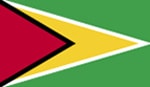 Guyana
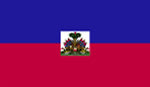 Haiti
Haiti Honduras
 Iceland
 Ireland
 Jamaica
 Japan
Martinique
Japan
Martinique Mexico
 Montserrat
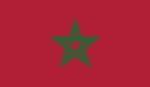 Morocco
 Netherlands
 Nicaragua
 Nigeria
 Norway
 Oman
Oman Panama
 Paraguay
 Peru
Peru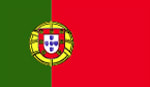 Portugal
 Puerto Rico
 Russia
 Saint Barthélemy
 Saint Lucia
 Saint Martin
 Saint Pierre
 Saint Vincent
 Senegal
 Sierra Leone
 Sint Maarten
 South Africa
 Spain
Spain St. Kitts & Nevis
 Suriname
 Sweden
 Togo
Togo Trinidad & Tobago
 Turks & Caicos
 Turkey
 US Virgin Islands
 United Kingdom
 United States
 Uruguay
 Venezuela
Anything we've missed?
Help us improve this page by suggesting edits. Glory never dies!
Suggest an editGet to know me
Terrestrial / Aquatic
Altricial / Precocial
Polygamous / Monogamous
Dimorphic (size) / Monomorphic
Active: Diurnal / Nocturnal
Social behavior: Solitary / Pack / Herd
Diet: Carnivore / Herbivore / Omnivore / Piscivorous / Insectivore
Migratory: Yes / No
Domesticated: Yes / No
Dangerous: Yes / No




