Search for Bermuda


Bridled tern
Known to “ride out” massive tropical storms by flying into the calm eye of the hurricane

Sooty tern
Remains as one of the most resilient residents of the tropics

Black-headed gull
If you look closely at their dark hood, you’ll see two broken white crescents around the eye

Little gull
Most gulls have sharp, pointed wings, but this one has strikingly rounded wingtips

Bonaparte’s gull
Often called the “tern in a gull’s body”

Sabine’s gull
Despite their elegant looks, they are fierce parents
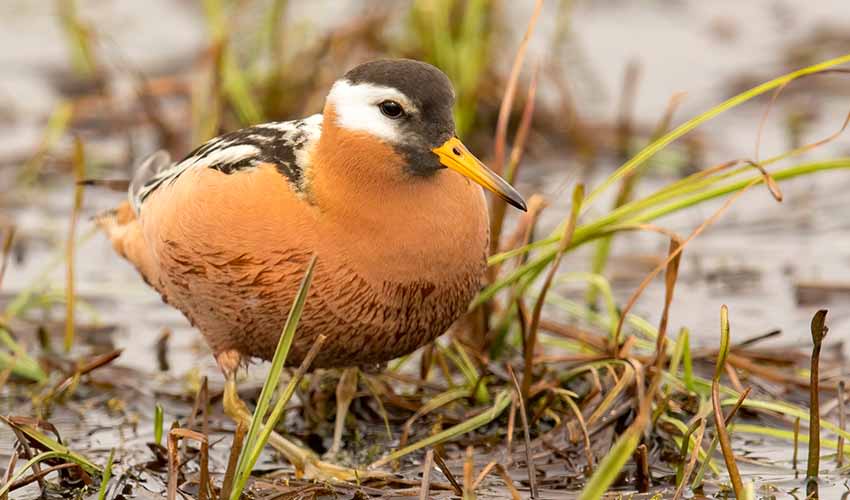
Red phalarope
Rugged enough to survive Arctic blizzards and mid-ocean gales that would ground much larger birds
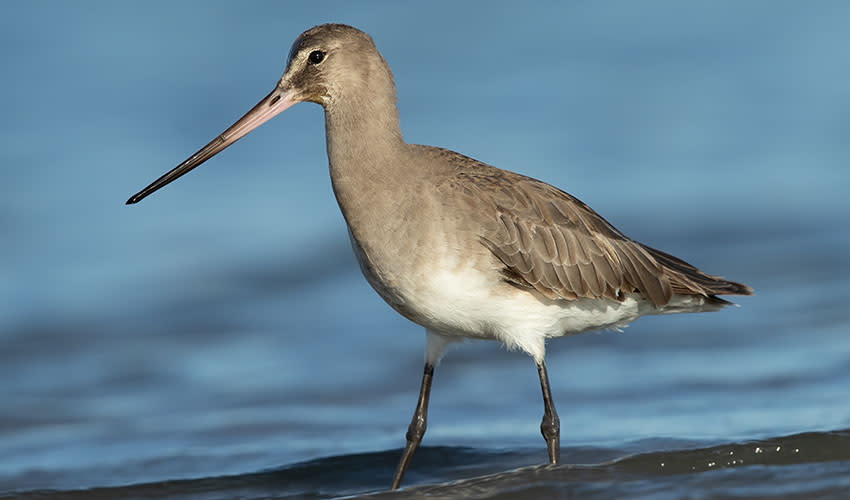
Hudsonian godwit
Despite traveling across entire hemispheres, they often return to the exact same marsh or mudflat

Upland sandpiper
Often called the “shorebird that forgot the shore”

Killdeer
Famous for nesting in the most inconvenient places possible

Common gallinule
A bird that looks like a cross between a sleek chicken and a neon-painted waterfowl

Sora
Possesses a unique physical defense mechanism: the “laterally compressed” body

Common nighthawk
Doesn’t perch across a branch like most birds; it perches lengthwise along the limb

American wigeon
Notoriously high-strung and are often the first ducks to take flight at the slightest hint of danger

Gadwall
One of the most dedicated vegetarians in the waterfowl world
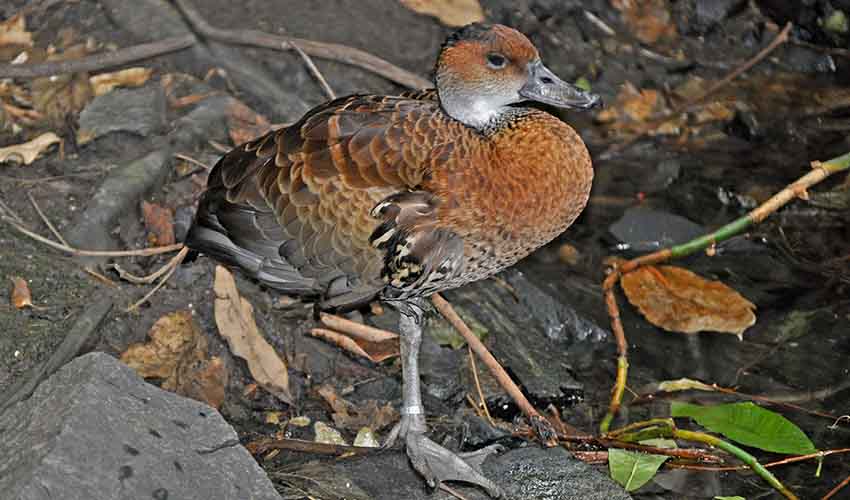
West Indian whistling duck
Do “whistles” over the “quacks”

Fulvous whistling duck
Famous (and sometimes infamous) for their love of rice.
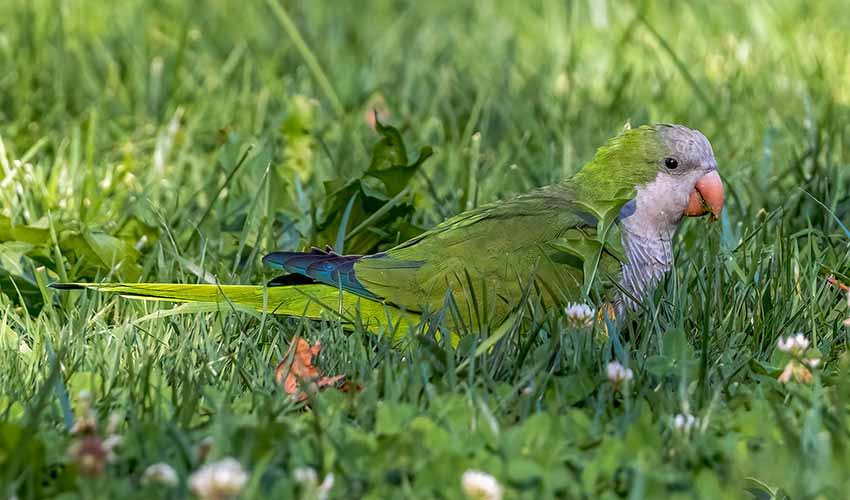
Monk parakeet
A clever, hardworking, city-ready survivor

Large-billed tern
These sharp-eyed birds have been known to swoop down and snatch up the tiny, newly hatched turtles

Greater yellowlegs
The very tip of the bill has special “pits” that can detect the vibrations of a moving fish in murky water
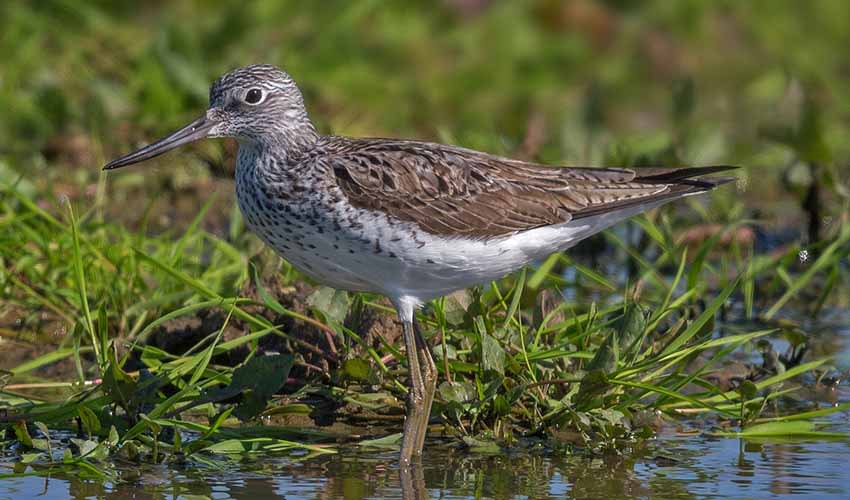
Common greenshank
When it’s time to migrate, they don’t just fly; they go into orbit
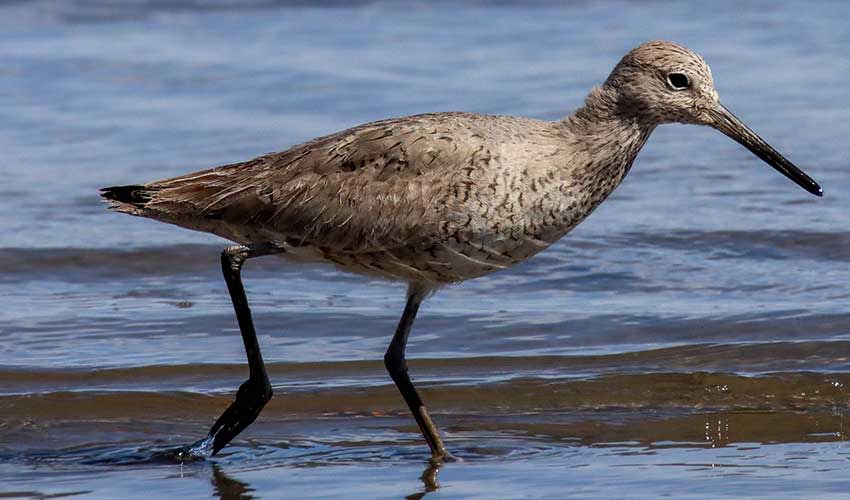
Willet
One of the few shorebirds that can handle small fish and even lizards
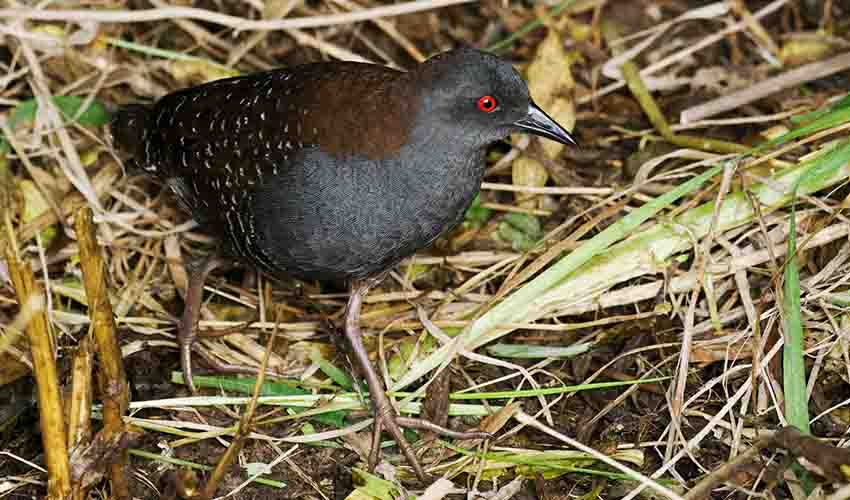
Black rail
People expect rails to be chunky marsh birds—this one is tiny, almost pocket-sized
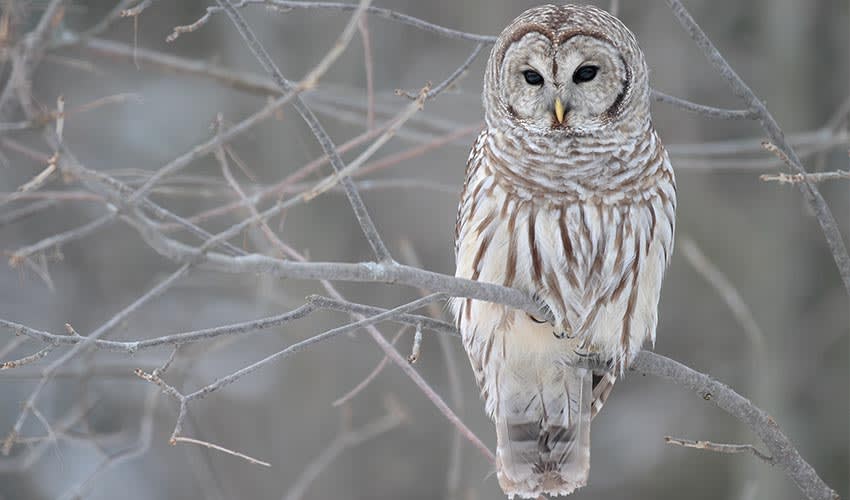
Barred owl
Its famous call is often remembered as sounding like it is asking a question

Black-billed cuckoo
Once believed that their frequent calling was a sure sign that a thunderstorm was on its way
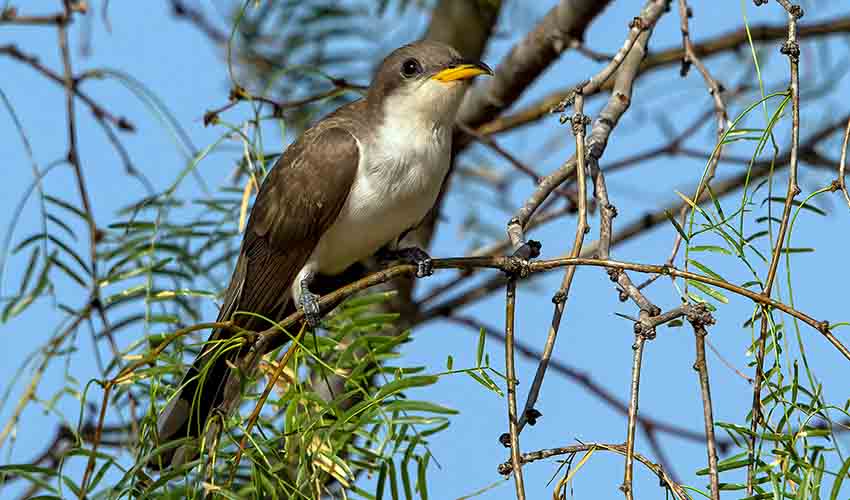
Yellow-billed cuckoo
Its sound is one of the most iconic sounds of the American summer

Little auk
One of the most numerous seabirds in the North Atlantic, with huge colonies in the High Arctic

Grey plover
Can be black, can be grey but it’s the same bird
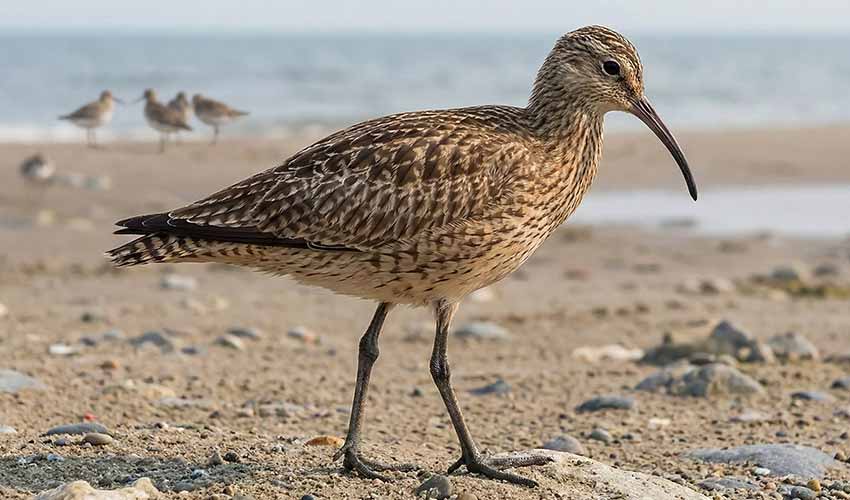
Eskimo curlew
Once a sky-filling spectacle—today, most of what we have are museum skins and stories

American golden plover
These birds perform a massive, circular migration that covers nearly 32,000 km (20,000 miles) annually

Long-tailed duck
One of the deepest-diving ducks

Franklin’s gull
These gulls aren’t scavengers; they are specialized insect eaters.

Pacific golden plover
Before their 3,000-mile flight, they become “hyperphagic,” eating until fat makes up nearly half of their body weight
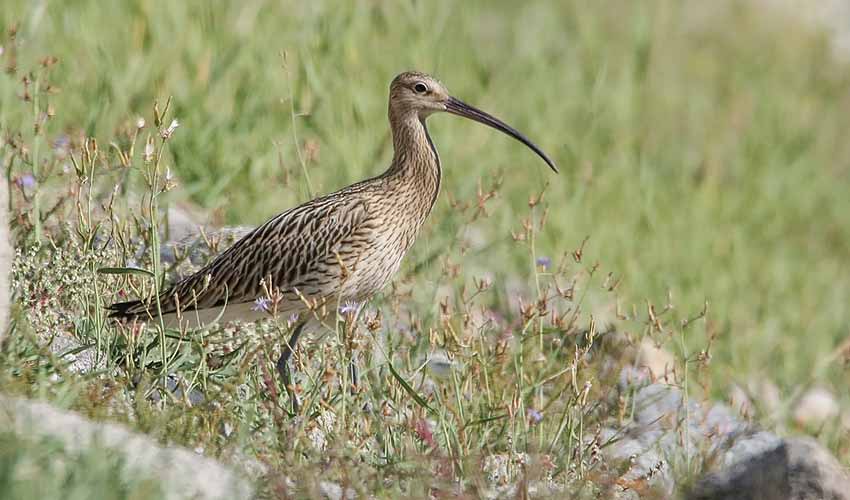
Eurasian curlew
Has the longest bill of any wading bird

Garganey
Known to cross the vast Sahara Desert in a single go during their migration
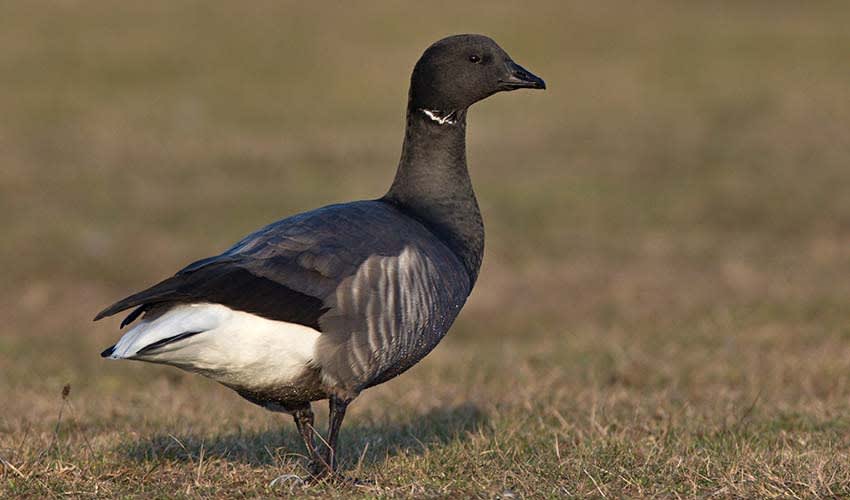
Brant
A bird that scoffs at fresh water and grassy parks
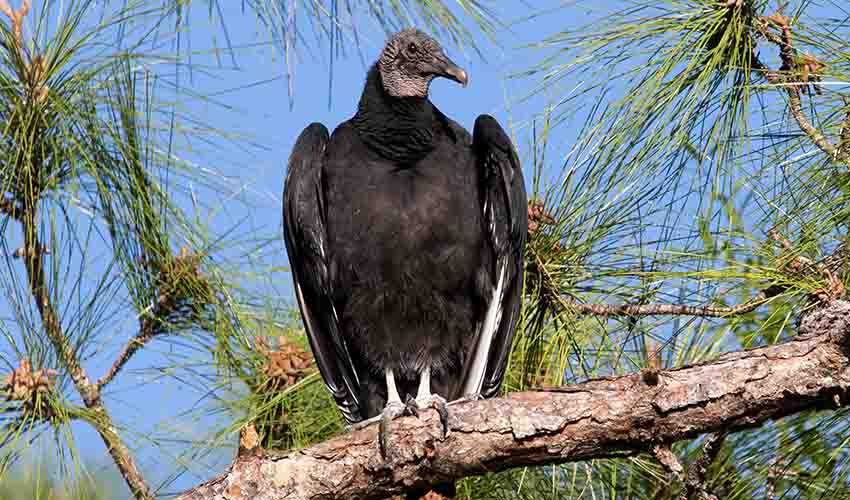
Black vulture
Smell? Not so much—mostly rely on eyesight and the behavior of other vultures to find food
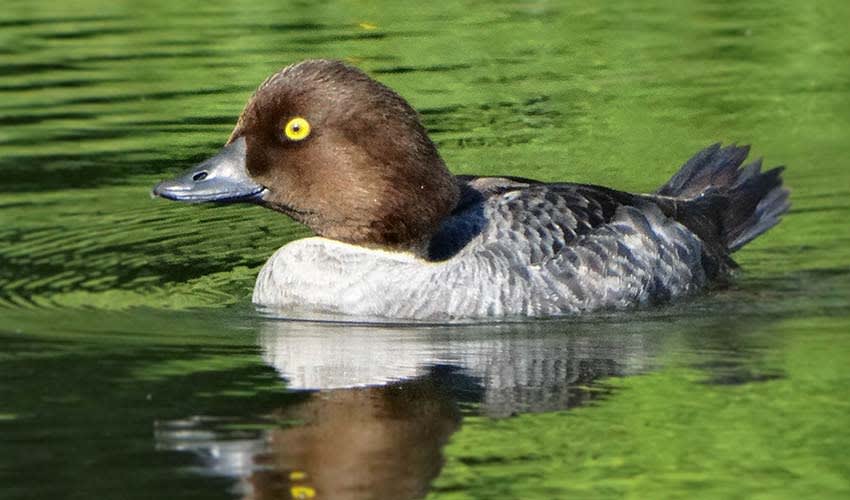
Common goldeneye
Crisp-feathered, fast-flying, and fearless in icy waters

Short-finned pilot whale
The “cheetahs” of the deep ocean

Indigo bunting
Under certain angles, the feathers can look almost black

Northern gannet
Superb gliders and can travel hundreds of kilometers in a day, riding winds with barely a wingbeat

Caspian tern
A heavyweight champ — elegant, yes, but you don’t want to mess with that beak

Northern saw-whet owl
Its eyes make up nearly half the size of its skull, giving it excellent night vision but little room for movement

Striped dolphin
Among the most athletic dolphins, known for their spectacular leaps and spins that can reach several meters high
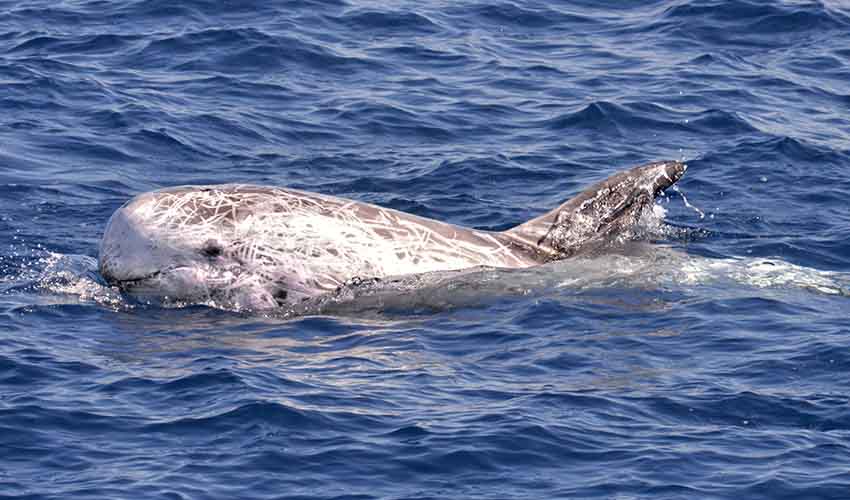
Risso’s dolphin
Sometimes called the “scars in the water” thanks to their many white markings

American redstart
One of the most admired warblers across the continent
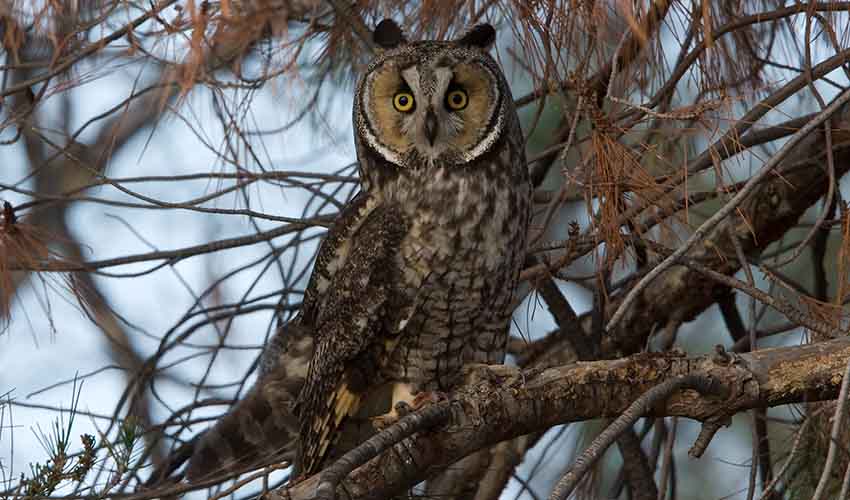
Long-eared owl
Its flight is nearly soundless, thanks to specially fringed wing feathers that disrupt air turbulence

Short-eared owl
Defies the usual “creature of the night” stereotype by thriving in open landscapes and often hunting boldly in daylight

Lemon shark
Their “lemon” color actually changes slightly depending on light and habitat

Spotted eagle ray
Though they possess venomous spines near the base of their tail, they rarely use them except in self-defense

Sand martin
A bird that carries the rhythms of the seasons on its wings

Red knot
In winter, they’re plain grey and white, but in the Arctic summer, they turn into a glowing rusty red
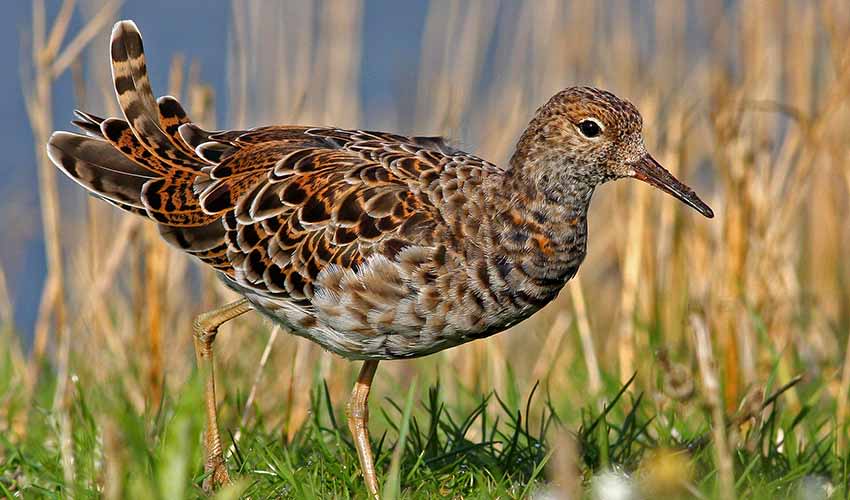
Ruff
Looks ordinary—but transforms into one of the most extravagant birds during breeding season
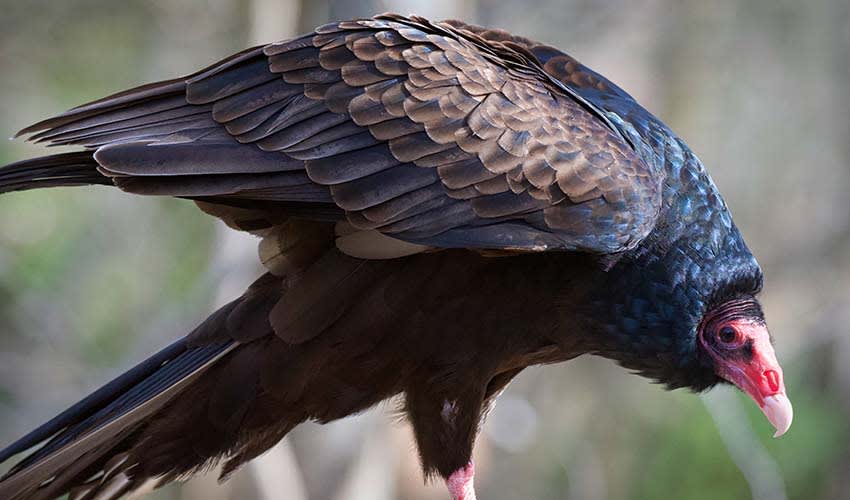
Turkey vulture
A bird that quietly keeps the environment clean

Snowy owl
There is more to this species than its majestic coat of thick white feathers and piercing yellow eyes
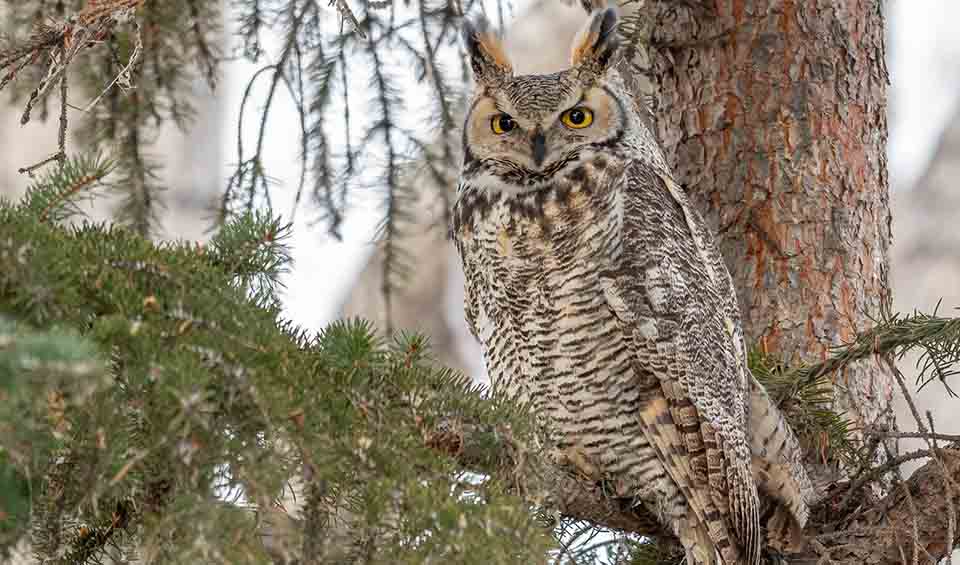
Great horned owl
Often called the “tiger of the sky” because of its fierce hunting skills and bold personality

Ruddy turnstone
They flip the script — literally!
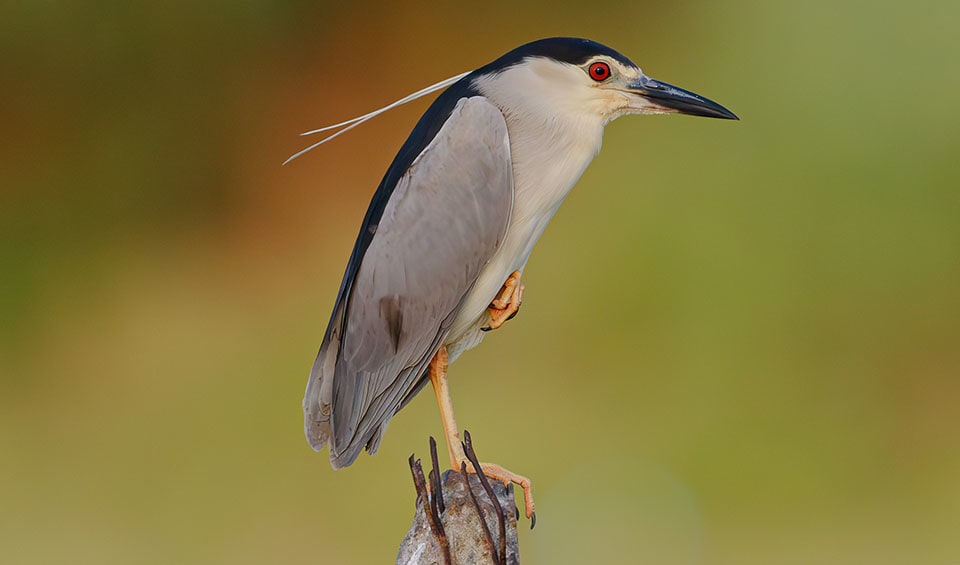
Black-crowned night heron
One of the most widespread and adaptable herons in the world

American robin
Their shape and style are closer to forest thrushes—just way more comfortable around people

American herring gull
It’s the classic white-headed, grey-backed “seagull” of postcards and cartoons

Great black-backed gull
Capable of living surprisingly long lives in some of the harshest, stormiest environments on Earth

Laughing gull
Once you’ve heard them laugh, it’s hard to forget!
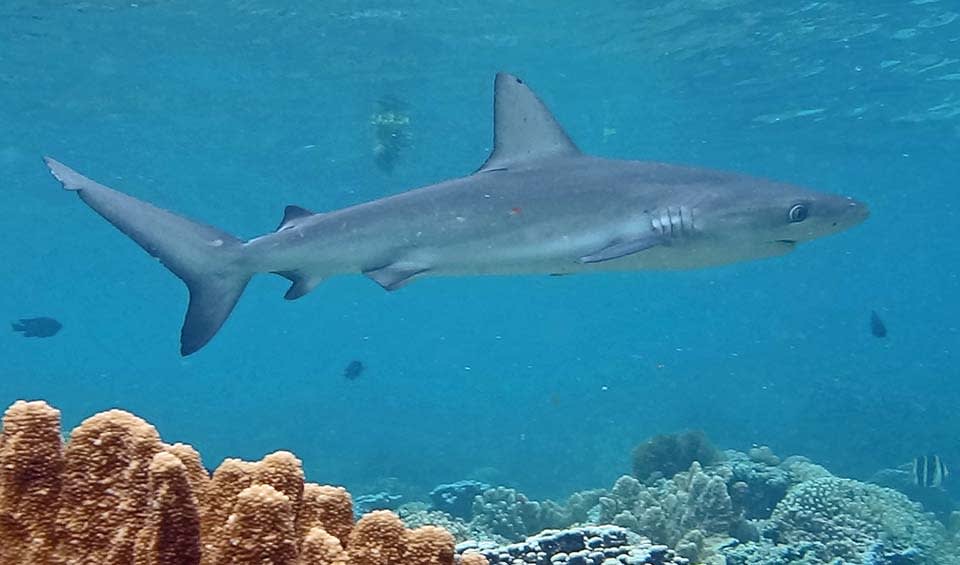
Galapagos shark
Believed to use Earth’s magnetic field to help them navigate vast ocean distances

Royal tern
These birds ride ocean breezes for miles without flapping much at all
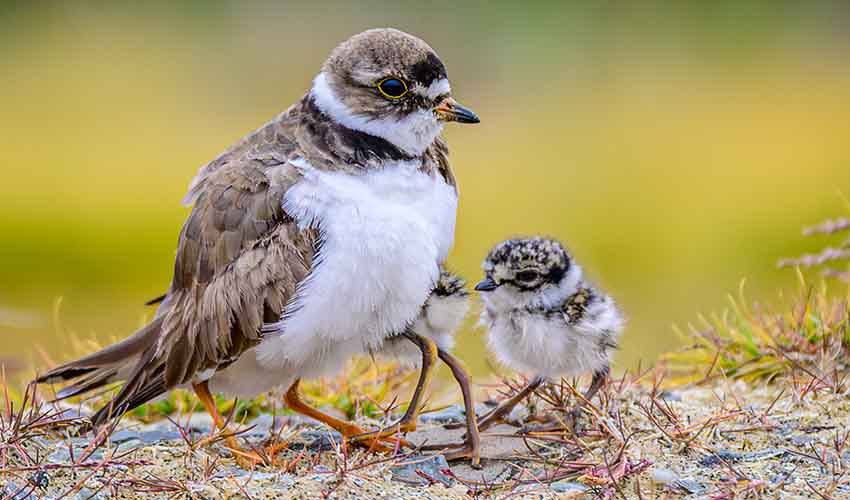
Semipalmated plover
Often described as the “compact” version of the plover family

Bermuda petrel
People believed it had disappeared for centuries, but then it was found again

Black-capped petrel
Even though it’s an ocean bird, it raises its chick in hidden burrows high on Hispaniola

American kestrel
The smallest of falcons in the entirety of America, but you would be mistaken to take this bird lightly

Cooper’s hawk
With its keen eyesight, or darting through the trees in pursuit of prey, it embodies the precision and power of nature’s predators

Goosander
Its long, serrated beak, often called a “sawbill,” is perfectly adapted for catching slippery prey like fish
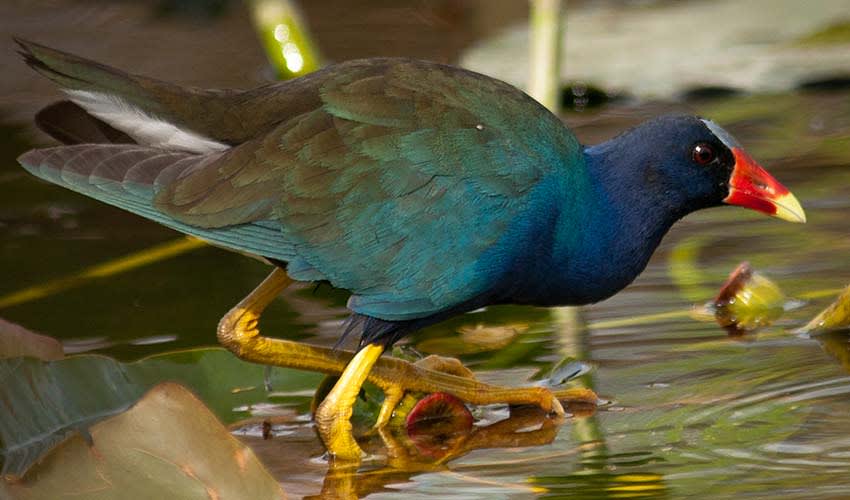
Purple gallinule
One of the most dazzling waterbirds of the Americas, often described as a “swamp jewel”

European starling
Brilliant mimics, they can copy bird calls and even human-made sounds like car alarms and ringing phones!

Lesser black-backed gull
A common sight in coastal regions throughout the Northern Hemisphere

Ring-billed gull
While they are famous for stealing fries, they have a very ancient, natural hunting technique called “foot-paddling”

Black-necked grebe
Unlike many birds, their chicks can swim and dive just hours after hatching
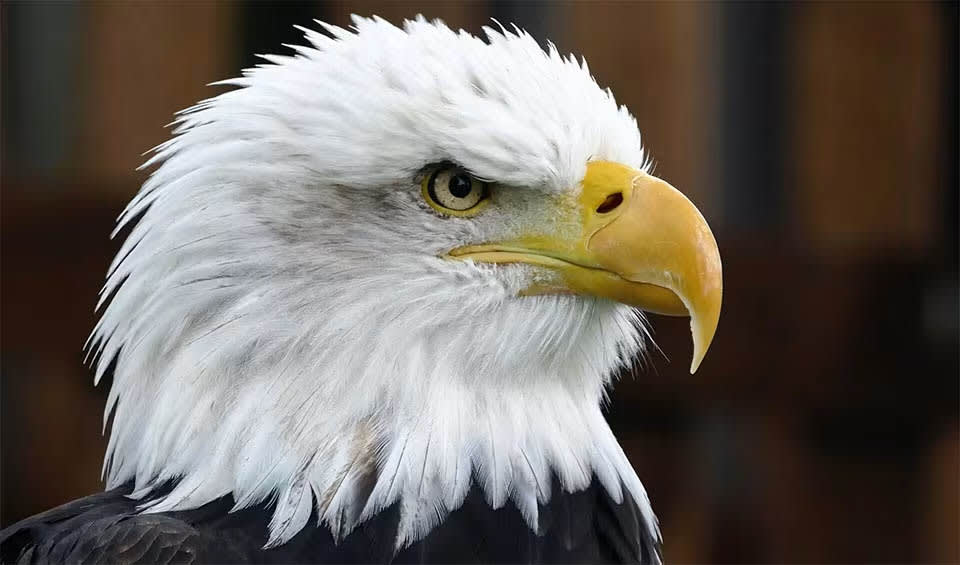
Bald eagle
The magnificent national bird of the United States, distinguished by a snowy white head, neck, and tail

European goldfinch
Can hang upside down while feeding!

Northern cardinal
The state bird of seven U.S. states—more than any other bird

Clapper rail
Can walk across soft, sinking mud and floating mats of vegetation without sinking

Brown pelican
The smallest of the eight pelican species

Virginia rail
Has evolved a forehead with uniquely stiff, hair-like feathers

Eurasian skylark
They might not look like much, but they have an incredible talent: singing!
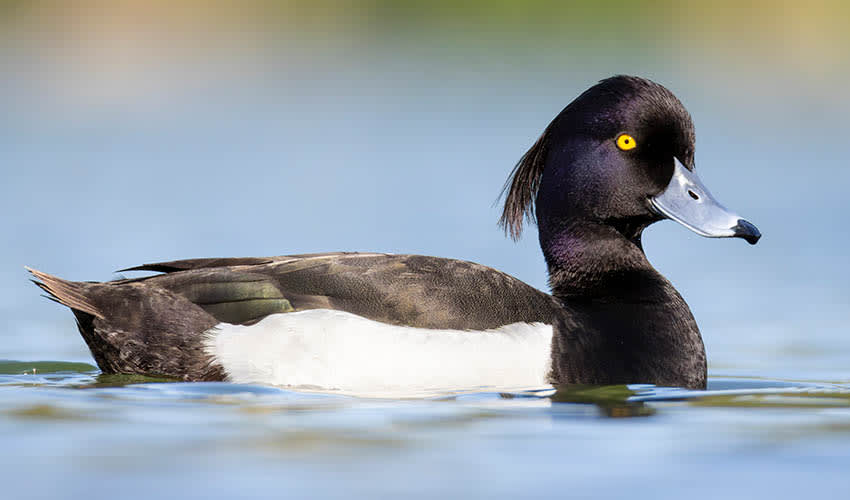
Tufted duck
Sometimes mistaken for the North American ring-necked duck — but the tuft gives them away immediately

Hooded seal
Only males possess a unique, inflatable, balloon-like nose that they can inflate into a large red shape
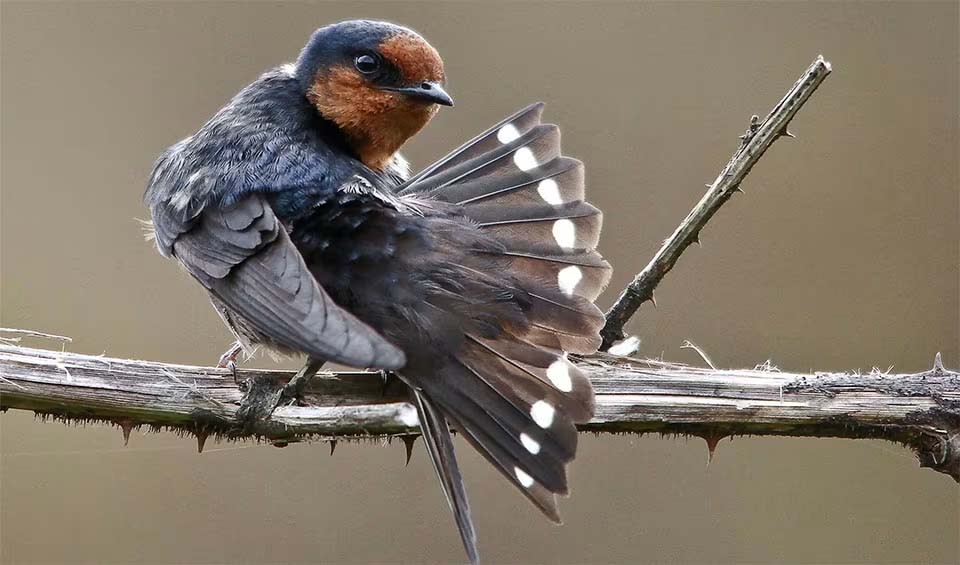
Barn swallow
Most common and widely distributed swallow globally

Northern lapwing
Very active and noisy, with a loud, piercing call that sounds like “pee-wit”
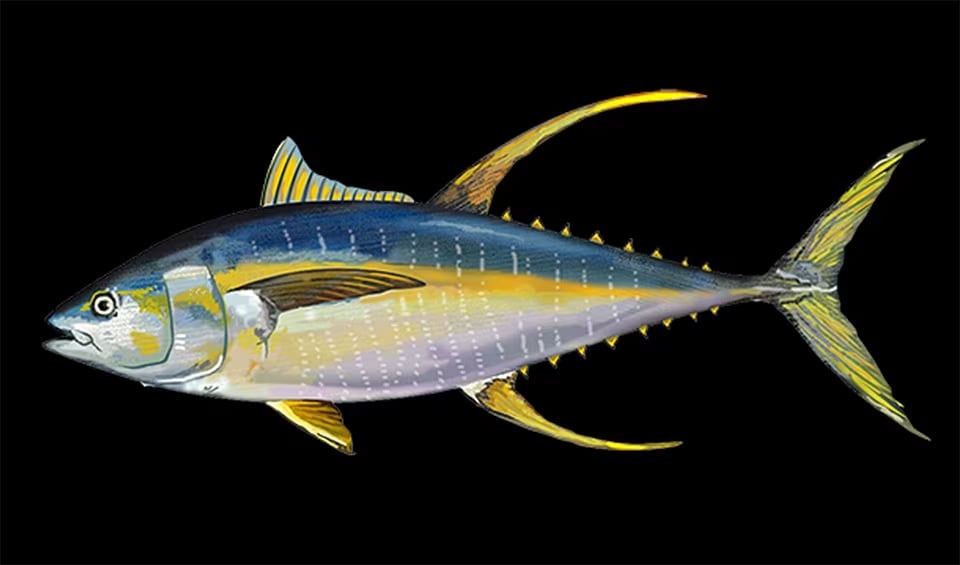
Yellowfin tuna
Popular food fish, prized for its mild flavor and firm texture

Great kiskadee
This bird is a real chatterbox, constantly announcing its presence with its loud, three-part call – “kis-ka-dee!”
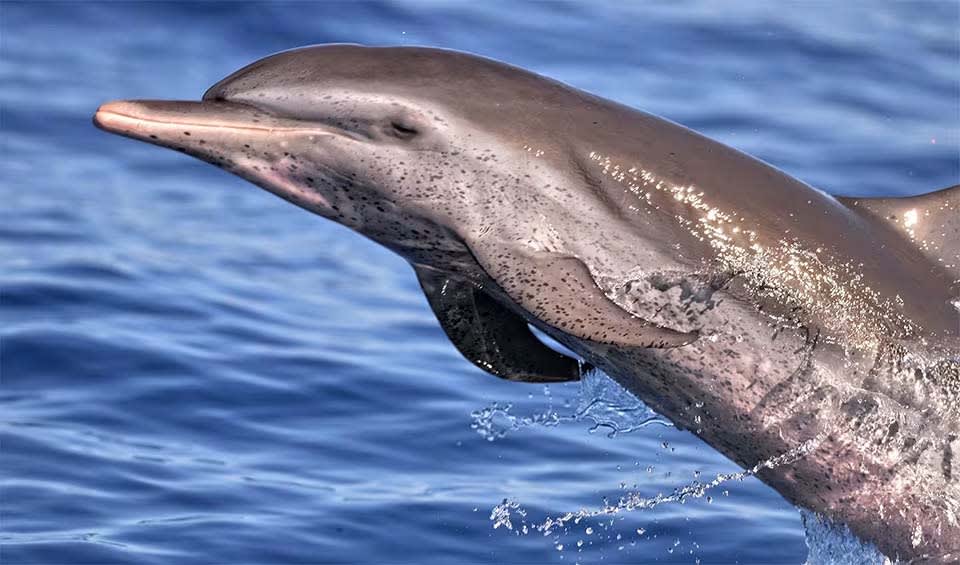
Pantropical spotted dolphin
A champion swimmer and a social butterfly of the warm seas

Brown noddy
They bob their heads up and down as they fly, which is actually how they earned the nickname “Noddy”
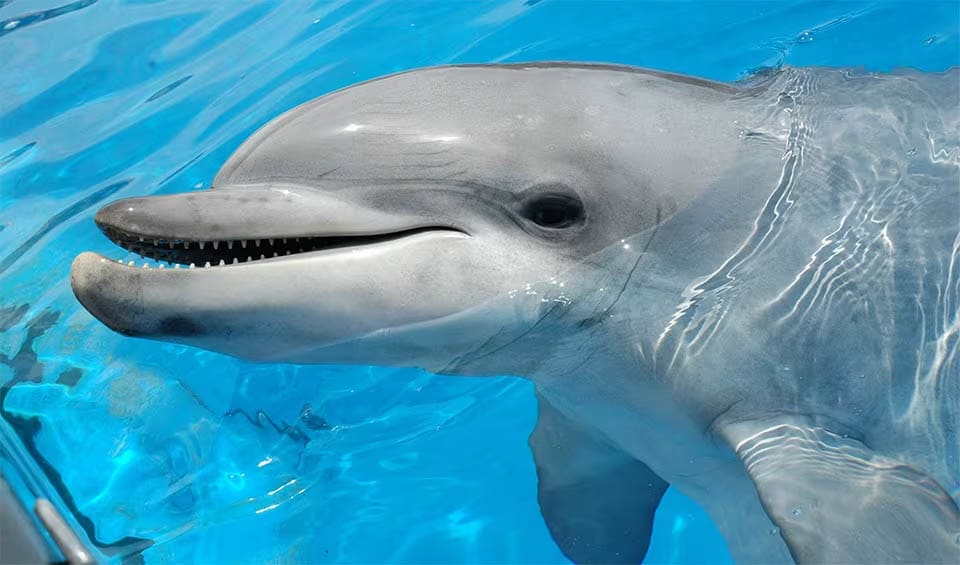
Common bottlenose dolphin
Known for their acrobatic leaps, twisting and turning gracefully as they jump completely out of the water

American flamingo
Famous for its habit of standing on one leg

Mute swan
Known for their graceful movements and the distinctive “S” shape of their neck

Tundra swan
Often seen sleeping on frozen lakes with their heads tucked under their wings

Sandhill crane
Known for their elaborate courtship dances, which involve leaping, bowing and trumpeting
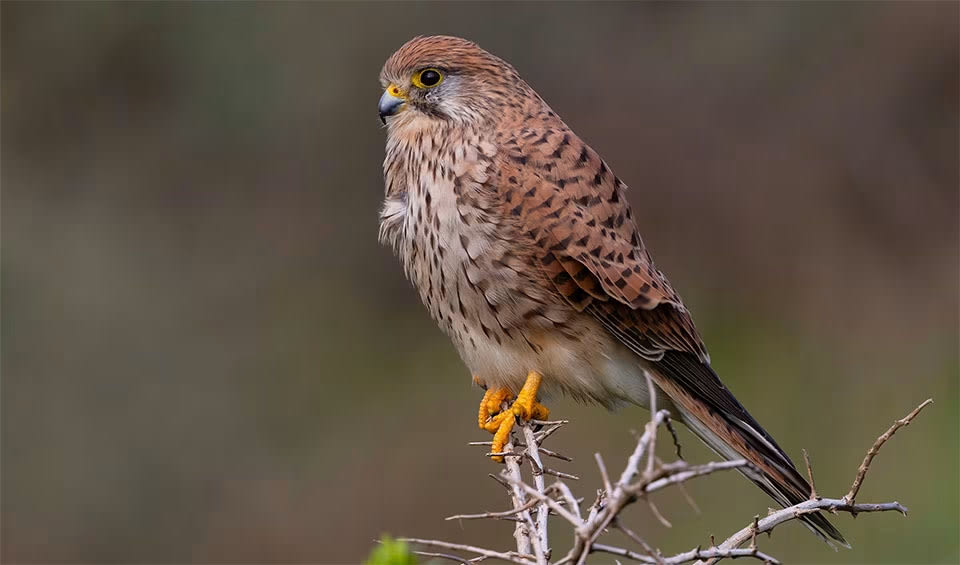
Eurasian kestrel
Adaptable raptor known for its hovering hunting technique and striking appearance

Snowy egret
In the late 1800s, a single ounce of its feathers could be worth more than gold

Tiger shark
They eat almost anything that comes their way – you name it, they’ll try to snack on it!
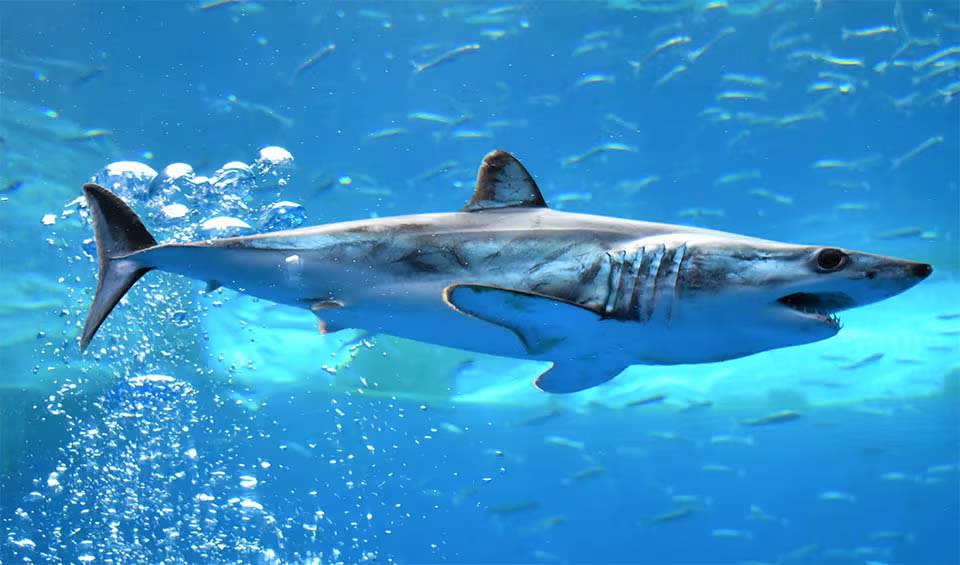
Shortfin mako shark
Speed and power embodied, they rule the seas with their sleek bodies and jaw-dropping leaping prowess

Basking shark
Majestic giants of the sea, they peacefully glide through the ocean with mouths agape, filtering the waters for sustenance
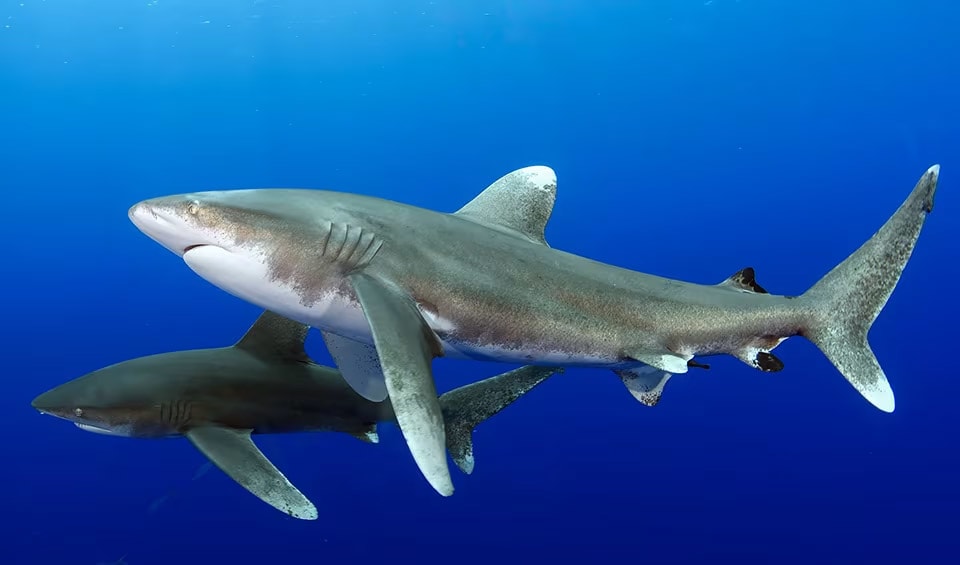
Oceanic whitetip shark
Opportunistic predators of the open ocean, their aggressive and persistent feeding behaviour strikes fear into the hearts of their prey
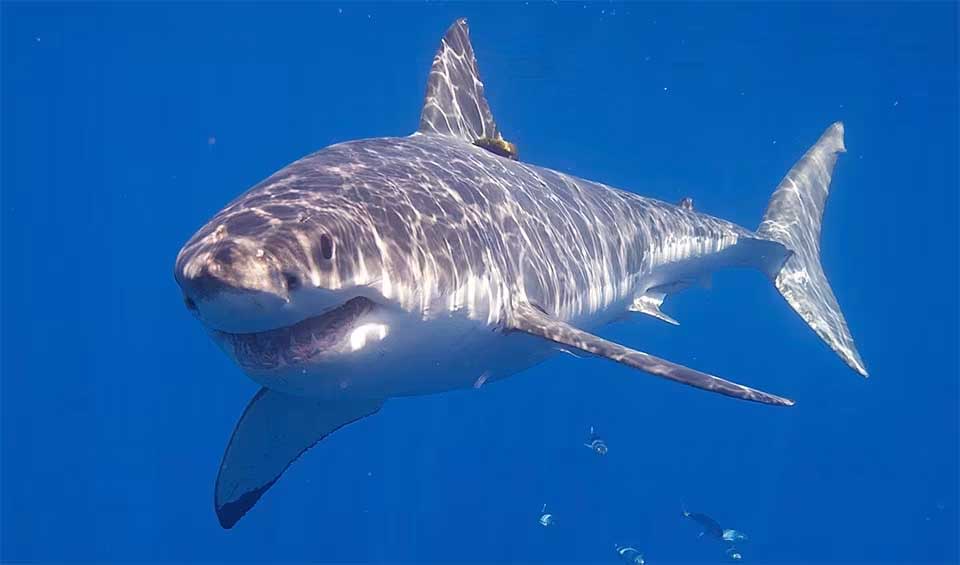
Great white shark
Majestic ocean predators, embodying power, speed, and precision in their pursuit of prey

Loggerhead sea turtle
One of the largest and strongest sea turtles in the world

Kemps ridley sea turtle
Meet the smallest and rarest sea turtle in the world
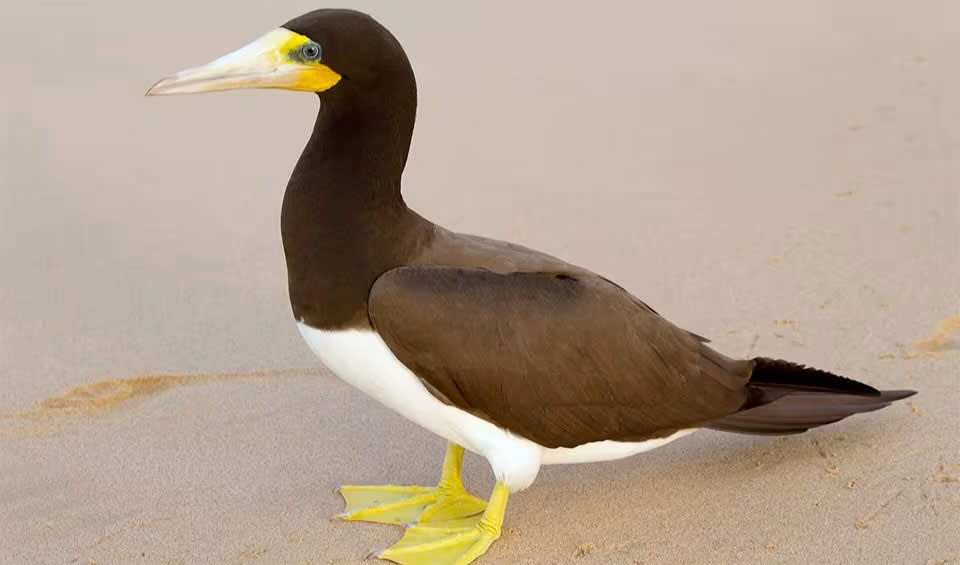
Brown booby
An impressively acrobatic bird that can catch flying fish mid-jump
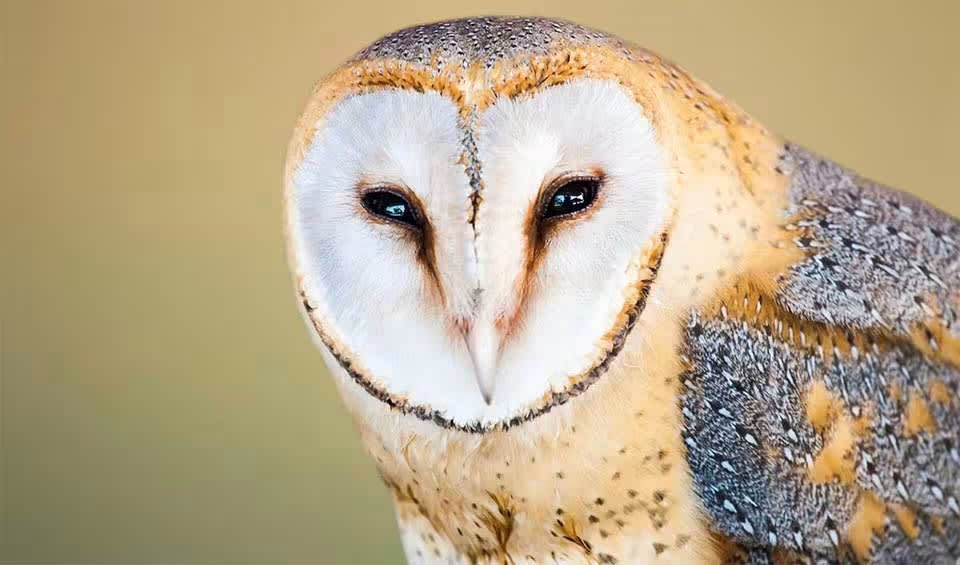
Barn owl
The most cosmopolitan of owls with home ranges extending across the globe

Magnificent frigatebird
Cannot land on water because their feathers are not waterproof

Great cormorant
Due to their adaptability and willingness to migrate to more favorable habitats, great cormorants are found worldwide
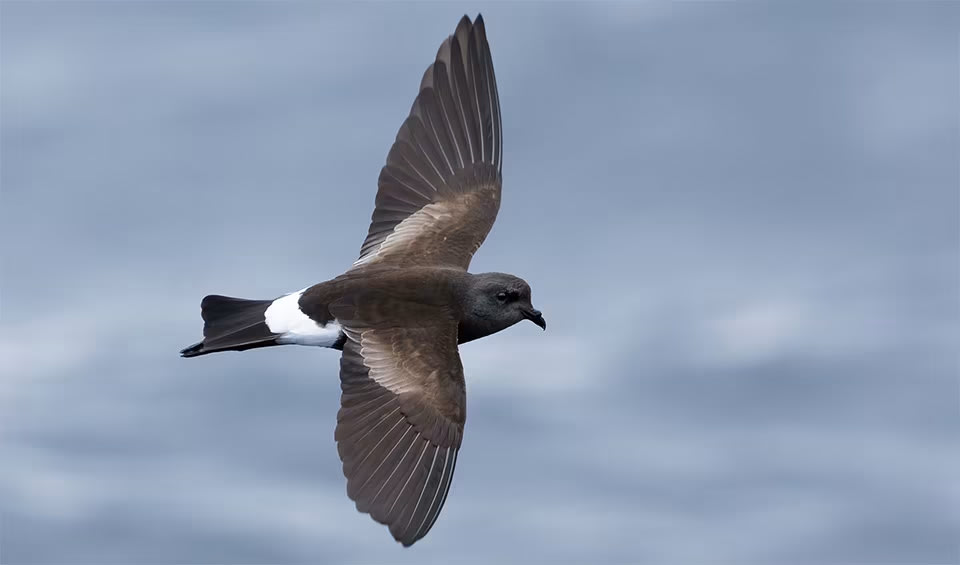
Wilsons storm petrel
This species is found in all world oceans except the north Pacific Ocean

Leachs storm petrel
These petrels stylishly ride the ocean waves like they own the winds

Manx shearwater
Impressive flights but clumsy walking on the ground are observed in these birds due to awkward legs

Red-billed tropicbird
Professional marine forecasters to optimize breeding success and prey availability

White-tailed tropicbird
These ocean wanderers can be spotted from a distance showing awe-inspiring aerial tricks

Glossy ibis
These birds seem to have lost their way to the beauty pageant

House sparrow
The most widely dispersed wild bird

Common loon
They melt ice with their bodies (sort of)

Gyrfalcon
Largest of falcons: can grow up to 60cm (2 ft) in height

Merlin
The pocket-sized falcon with an eagle’s attitude

Peregrine falcon
At the speed of over 321 km/h (200 mph), this bird outraces a Formula1 car

Black-necked stilt
Those impossibly long legs allow it to wade into deeper water than other shorebirds of its size

Black-winged stilt
Elegant long-legged wader, common almost worldwide

Great skua
Jack Sparrow of the bird kingdom

Long-tailed jaeger
This bird is incredibly light, weighing only about as much as a cup of yogurt

Parasitic jaeger
These birds come in two distinct looks—a “light morph” and a “dark morph”

Pomarine jaeger
In the winter, they lose those iconic “spoon” tail feathers, making them much harder to identify

Atlantic puffin
This incredible bird can hold up to 30 fish in its beak at once
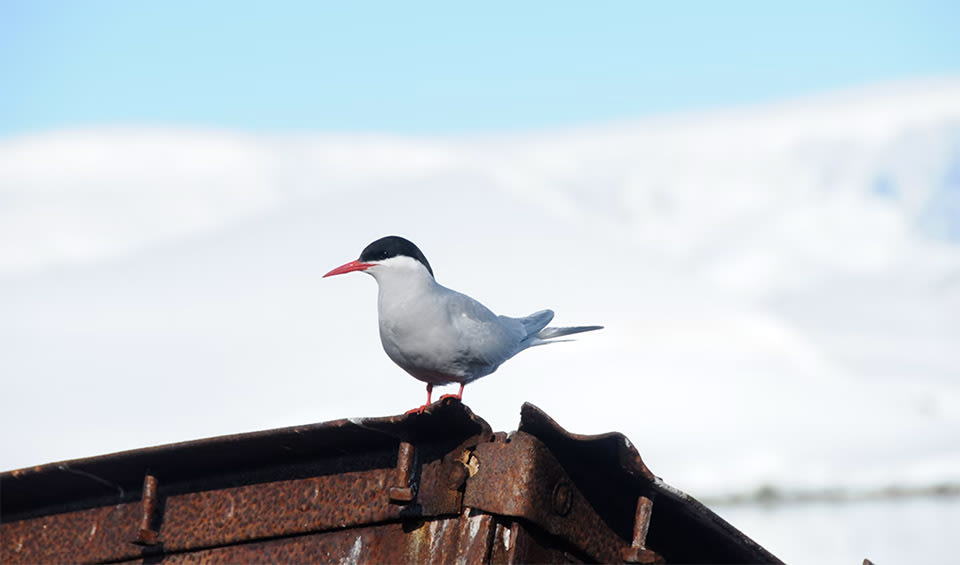
Arctic tern
This bird can give any cross-country runner a run for their money

Common tern
This bird holds the record of the longest distance flown by any bird in recorded history

American woodcock
This incredible bird can feel the vibrations made by a worm to find it and consume it
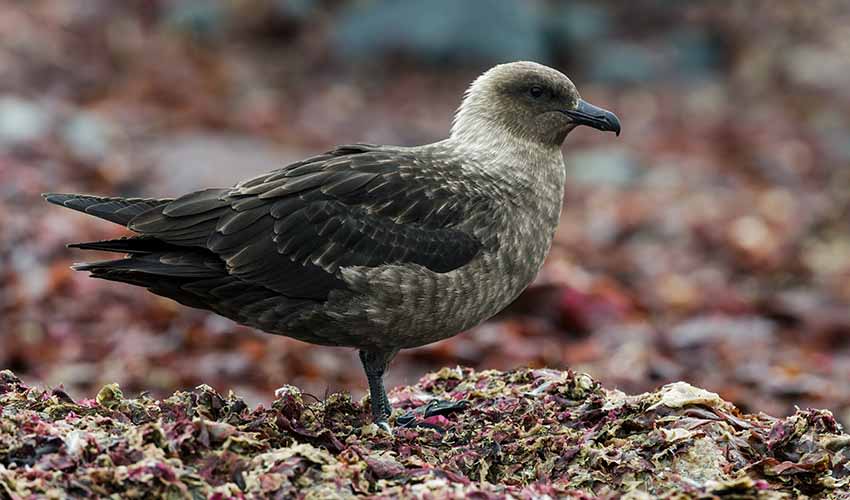
South polar skua
Famous for chasing other seabirds until they drop or cough up their food

American black duck
Looks a lot like a Mallard but turned way darker

Black skimmer
If you come across a flock on a sandy beach, you might think they’re all exhausted or even dead

Forster’s tern
In the 19th and early 20th centuries, these birds were heavily targeted by the millinery (hat-making) trade

Wood duck
The red-eyed hipsters of the duck world

Mallard
This invasive species is the ancestor to most of the modern ducks
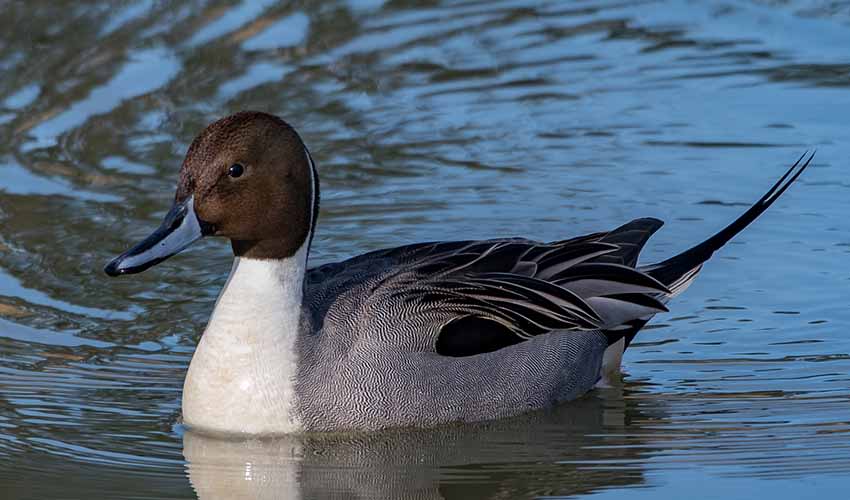
Northern pintail
Have been recorded at altitudes over 16,000 feet during migration—almost as high as small airplanes!

Red-tailed hawk
One of the most common raptors across North America

Osprey
One of only six land-birds with a cosmopolitan distribution habituating all continents except Antarctica

Sargasso shearwater
Can navigate the depths with the agility of a penguin

Roseate tern
One of the UK’s rarest breeding seabird
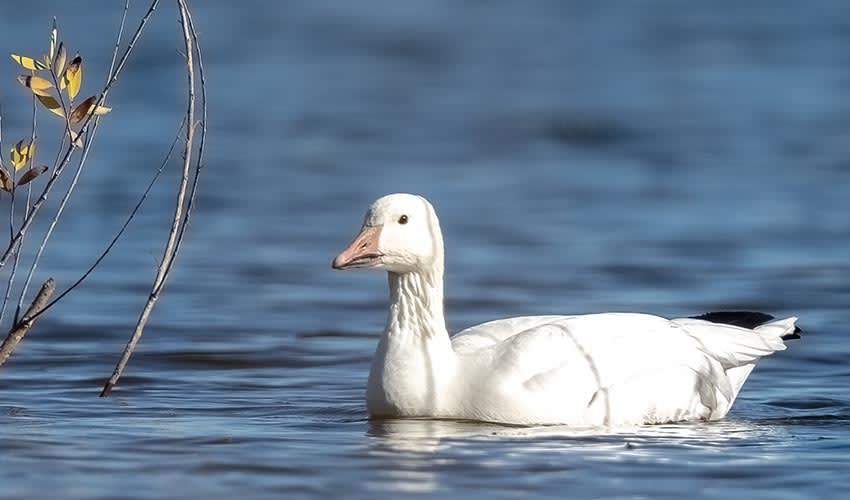
Snow goose
The undisputed “winter monarch” of the bird world

North Atlantic right whale
Believed to be only seen by scientists for 50 hours in the last 50 years

Sharp-shinned hawk
Their thin legs are one of the easiest ways to tell them apart from similar hawks
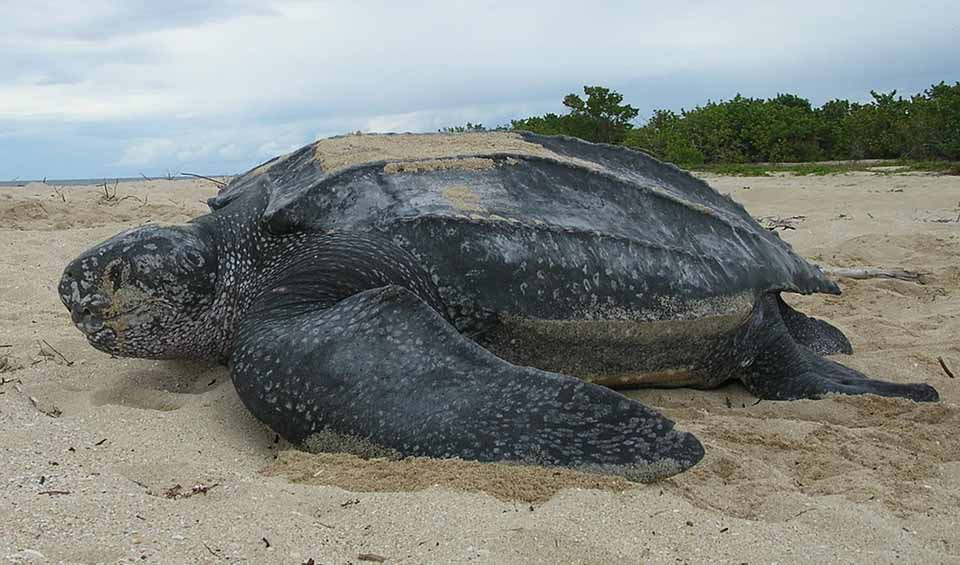
Leatherback sea turtle
The mysterious diver of the ocean is the largest and only sea turtle without a hard shell and scales

Green sea turtle
Largest hard-shelled sea turtle on earth

Diamondback terrapin
Only species of turtles endemic to the United States

